 Nov 03, 2025 at 10:10 AM
Winter in Germany feels like an invitation to slow down. Across the country, plumes of steam rise from open-air thermal pools as snow settles gently on tiled rooftops and pine-covered hills. The air smells of wood smoke and mineral water. In spa towns from Baden-Baden to Bad Reichenhall, the rhythm of life softens — people walk slower, voices quieten, and the world seems to exhale.
Germany has a long-standing reputation as the wellness heart of Europe. With more than 350 officially recognized spa towns (“Kurorte”) and over a thousand thermal springs, it offers one of the richest wellness traditions in the world. Romans built the first baths here two millennia ago, and since then, generations have come to restore their health and peace of mind.
Today, these spa towns combine centuries of hydrotherapy expertise with modern comfort — sleek architecture, eco-resorts, and a sense of balance rooted in nature. Whether it’s the grandeur of Baden-Baden, the calm elegance of Wiesbaden, or the alpine serenity of Bavaria’s thermal valleys, every destination promises warmth, stillness, and a journey back to oneself.
Read Also: Winter Travel in Germany: Top Cities and Tips for Comfortable Travel
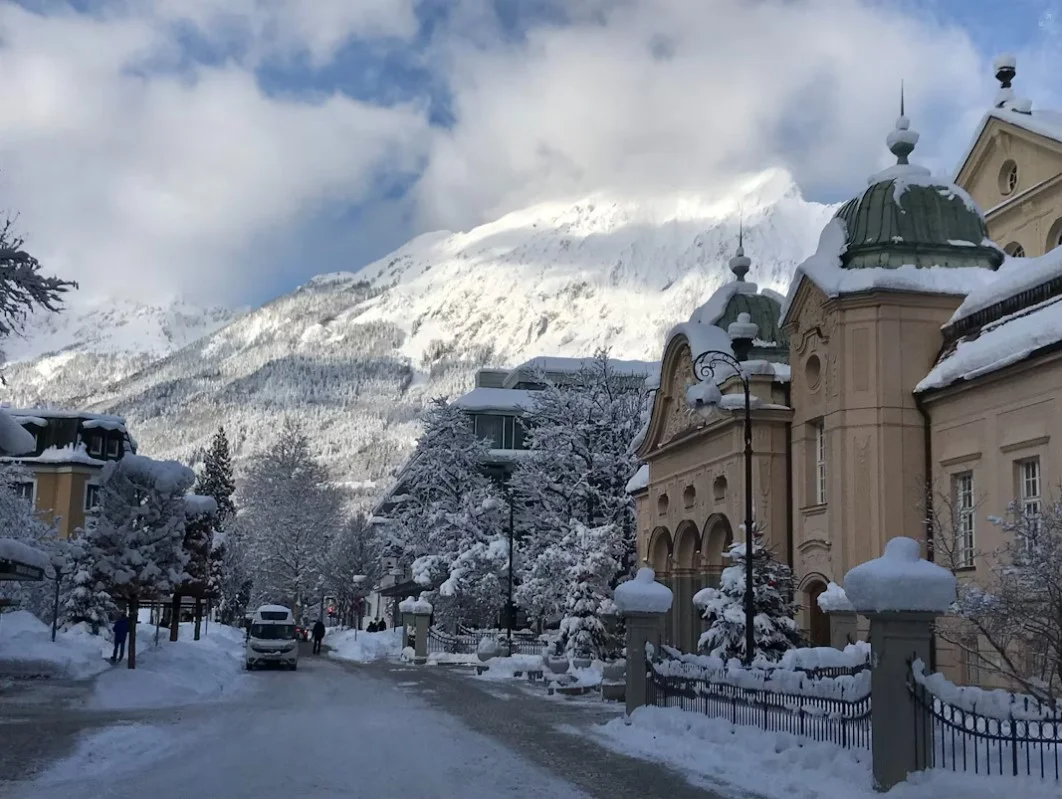
A Soothing Tradition: Germany’s Historic Spa Culture
Germany’s relationship with thermal waters dates back to Roman times. Nearly two thousand years ago, Roman soldiers and merchants discovered that the hot mineral springs bubbling beneath the Rhine and Moselle valleys brought not only comfort but healing. These early bathhouses became the foundations of what would evolve into a national wellness culture. Today, Germany counts more than 350 officially certified spa towns, each designated as a Kurort — a place where relaxation meets medical science.
Through the centuries, these spa destinations grew into elegant retreats visited by artists, philosophers, and royalty. The term “taking the waters” became part of European high society. In Germany, spa life has always been a form of gentle ritual: bathing, walking through parklands, and sharing long conversations over mineral water or herbal tea. Among the country’s most legendary spa cities are Baden-Baden, Wiesbaden, and Bad Kissingen — three destinations that embody both history and harmony.
Baden-Baden – Elegance and Healing Waters
At the edge of the Black Forest, Baden-Baden has welcomed guests seeking well-being for over two millennia. Its 12 thermal springs emerge from a depth of 2,000 meters at temperatures around 68°C. The city’s most famous spa, Caracalla Therme, combines expansive indoor and outdoor pools with saunas surrounded by snow-dusted fir trees in winter. Nearby, the ornate Friedrichsbad bathhouse offers a 17-step bathing ritual that blends Roman, Irish, and German traditions — a sequence of warm, hot, and cold baths designed to restore circulation and calm the mind.
Beyond the baths, Baden-Baden charms visitors with its 19th-century Kurhaus, tranquil Lichtentaler Allee park, and a casino once frequented by Dostoevsky and Brahms. The entire town forms part of UNESCO’s “Great Spa Towns of Europe” list, recognized for its architecture and natural setting. In winter, the air fills with a gentle mist rising from open-air pools — a picture of timeless serenity.
Wiesbaden – The City of 26 Hot Springs
Just 40 kilometers west of Frankfurt, Wiesbaden is both a capital city and one of Europe’s oldest spa destinations. Twenty-six hot springs feed the town’s fountains and bathhouses, with temperatures reaching up to 66°C. The Kochbrunnen fountain in the city center has been gushing mineral water for centuries, while the art-nouveau-inspired Kaiser-Friedrich-Therme offers steam baths, thermal pools, and ornate mosaics beneath vaulted ceilings. Modern spas like Thermine add a contemporary touch with infrared rooms and relaxation terraces.
Reaching Wiesbaden is remarkably simple for international travelers. Many begin their journey at Frankfurt International Airport — the main hub for western Germany. With a quick frankfurt airport taxi, visitors can reach Wiesbaden in just 35–40 minutes or enjoy a scenic 90-minute ride south to Baden-Baden, passing through vineyard landscapes and the Rhine Valley.
Bad Kissingen – Heritage and Harmony
Further east, in northern Bavaria, lies Bad Kissingen, a spa town officially founded in 1520 and visited by European nobility for centuries. Its mineral-rich waters, once prescribed by royal physicians, flow through historic pavilions surrounded by landscaped parks. The modern KissSalis Therme combines saltwater pools, saunas, and panoramic relaxation areas with medically supervised wellness programs. The town itself — part of UNESCO’s Great Spa Towns network — reflects a rare balance of architecture, nature, and tranquillity.
During winter, Bad Kissingen becomes a picture of calm: frost-covered trees line its promenades, and visitors move quietly between warm baths and candlelit cafés. The atmosphere captures what makes German spa culture unique — a fusion of scientific precision and emotional stillness.
From Baden-Baden’s grandeur to the understated grace of Bad Kissingen, Germany’s historic spa towns prove that wellness here is not a passing trend but a way of life. These destinations stand as living monuments to Europe’s pursuit of balance — where mineral waters, clean air, and human care come together to create true restoration.
Read Also: Explore Germany's Christmas Markets: Top Routes and Transfer Services
Modern Wellness Escapes: Where Tradition Meets Innovation
While Germany’s classic spa towns preserve their centuries-old charm, a new generation of wellness destinations has emerged across the country — places that merge medical precision with contemporary design and sustainability. These modern retreats attract visitors seeking peace, not prescriptions. They combine fresh mountain air, eco-friendly architecture, and the philosophy that true relaxation comes from harmony with nature. Bavaria, with its alpine backdrop and thermal valleys, is the heart of this new wellness wave.
Bad Reichenhall – Alpine Air and Salt Therapy
Set in a valley between the Berchtesgaden Alps and the Austrian border, Bad Reichenhall is known as one of Germany’s cleanest and most scenic spa towns. Its reputation is built on salt — the “white gold” that shaped its economy and health traditions for centuries. The RupertusTherme, the town’s main wellness complex, uses natural brine water from the ancient salt springs that bubble up at a depth of 300 meters. Visitors can relax in outdoor thermal pools at 32°C, surrounded by snow-covered peaks, or inhale fine saline mist in the Gradierhaus, a massive wooden structure designed to purify the respiratory system.
Bad Reichenhall’s therapeutic climate — crisp, oxygen-rich, and free of pollutants — has made it a go-to destination for winter wellness. Visitors arriving at Munich International Airport can reach the city in about 35 minutes — a comfortable ride if you take a munich airport to city center taxi. From Munich, trains and taxis connect directly to Bad Reichenhall in roughly two hours, passing lakes and alpine meadows that glisten under the winter sun. The journey itself feels restorative, a slow immersion into southern Germany’s calm rhythm.
Bad Wörishofen – The Home of Kneipp Therapy
About 80 kilometers west of Munich lies Bad Wörishofen, a small town with a big legacy. It is the birthplace of Sebastian Kneipp, the 19th-century priest and healer who developed a holistic method based on five pillars: hydrotherapy, herbal medicine, exercise, nutrition, and balance. His philosophy — that well-being depends on harmony between body, mind, and lifestyle — continues to define the town’s identity today.
The modern Therme Bad Wörishofen is among Germany’s most refined thermal complexes. It features more than 30 themed saunas, a palm-fringed lagoon, and mineral-enriched pools held at a steady 34°C. The water here is drawn from natural underground springs rich in sulfur, magnesium, and calcium — minerals that support circulation and muscle recovery. On weekdays, the complex is adults-only, preserving an atmosphere of deep calm. Visitors can book aromatherapy sessions, hydro-massage, or simply float beneath a glass dome filled with winter light.
Bad Wörishofen has embraced eco-tourism as part of its wellness philosophy. Local hotels are powered by renewable energy, and restaurants prioritize regional ingredients and vegetarian cuisine. Walking and cycling trails weave through snow-dusted forests, where silence becomes part of the therapy. It’s not just a place to rest — it’s a destination that teaches you how to live slowly again.
Bad Füssing – The Thermal Capital of Bavaria
Located near the Austrian border, Bad Füssing is often called Germany’s “thermal paradise.” With three major bath complexes — Therme Eins, Europa Therme, and Johannesbad — it welcomes over a million visitors each year. The geothermal water, drawn from a depth of nearly 1,000 meters, emerges at 56°C before being cooled for therapeutic use. Its composition, rich in sulfur and fluoride, is scientifically proven to ease joint and muscle pain.
Each spa in Bad Füssing offers a distinct experience: Therme Eins preserves a classical bathing style with historic charm; Europa Therme introduces panoramic pools and salt grottos; Johannesbad, the largest, includes over 4,500 square meters of water surface, infrared therapy zones, and physiotherapy suites. In winter, steam rises from open-air pools while the surrounding fields are blanketed in snow — a contrast that feels almost surreal.
The town’s infrastructure reflects its status as a world-class wellness destination. Hotels are directly connected to spa facilities by covered walkways, and the pedestrian center offers boutiques, cafés, and quiet parks designed for recovery walks. Day passes for the thermal complexes typically range between €25 and €40, making the experience accessible for both locals and international guests.
Beyond the baths, Bad Füssing hosts annual events like the Wellness & Gesundheitsmesse (Wellness and Health Fair) and seasonal concerts at the Kurhaus. Many visitors combine their stay with excursions to nearby Passau or Salzburg, both under an hour’s drive away.
The New Wellness Trend – Sustainable and Mindful
Germany’s wellness scene has evolved far beyond traditional spa culture. Modern retreats focus on sustainability, mental health, and digital detox. Wellness hotels in Bavaria and Baden-Württemberg now offer forest bathing sessions, meditation workshops, and vegan culinary programs. Many have adopted eco-certifications, using geothermal heating, natural building materials, and zero-waste dining concepts. This shift reflects a broader European trend — travelers seeking not indulgence, but inner balance.
In these spa towns, healing is holistic: it begins with water and continues with silence, nature, and mindful rhythm. Whether floating in salt-rich pools in Bad Reichenhall, meditating in a Kneipp garden in Bad Wörishofen, or soaking in sulfuric baths in Bad Füssing, visitors rediscover the simple art of being present. Modern German wellness is not about escaping life — it’s about finding a more peaceful way to live it.
Beyond the Spa: Culture, Food, and Slow Travel
Wellness in Germany extends beyond mineral water and saunas — it’s a lifestyle woven into culture, food, and the rhythm of everyday life. The country’s spa towns are not isolated resorts; they are living communities where history, art, and gastronomy blend seamlessly with relaxation. Exploring them slowly reveals a deeper layer of what “well-being” truly means.
Aachen – Europe’s Western Spa Gem
Located near the borders of Belgium and the Netherlands, Aachen stands as one of Europe’s oldest and most fascinating spa cities. The Romans bathed here two thousand years ago, and Charlemagne later made it the capital of his empire. Today, its grand Carolus Thermen complex combines modern glass architecture with ancient thermal springs that flow at around 38°C. Visitors can move between saltwater pools, herbal steam rooms, and panoramic saunas overlooking the city’s rooftops.
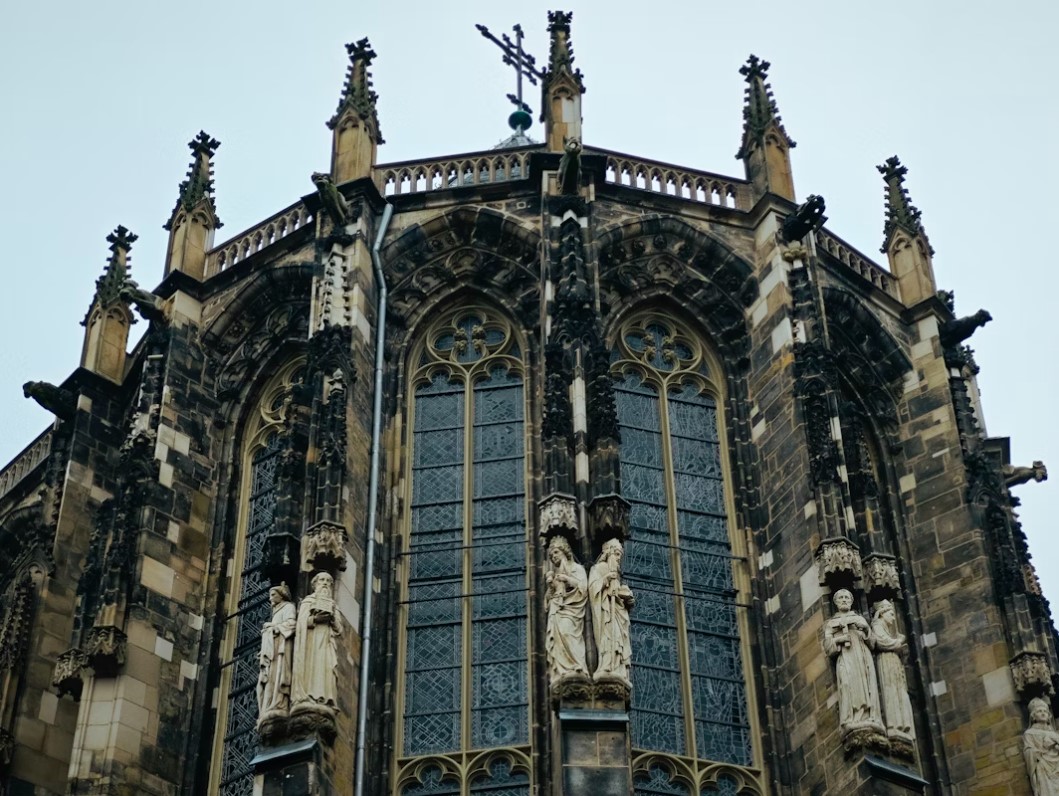
The city itself feels like a museum under the open sky. Just a few minutes’ walk from the baths stands the Aachen Cathedral — Germany’s first UNESCO World Heritage Site — where emperors were once crowned. Narrow streets filled with cafés, bakeries, and Christmas markets in winter make the atmosphere both historic and welcoming.
For those heading to Aachen, the most convenient arrival point is Cologne Bonn Airport. A taxi cologne airport ride takes just over an hour, offering a smooth and scenic route along the Rhine Valley. Many travelers choose to stay in Aachen overnight before exploring nearby spa towns such as Bad Neuenahr-Ahrweiler or the medieval city of Monschau in the Eifel region.
Bonn and the Rhine Wellness Route
Just south of Cologne lies Bonn, the former capital of West Germany and a city that perfectly balances culture and calm. It is part of the Rhein-Sieg wellness region, known for its forest trails, mineral springs, and medical spas. While smaller than Baden-Baden or Wiesbaden, Bonn’s appeal lies in its authenticity — quiet parks, baroque villas, and riverside promenades designed for restorative walks.
One of the most charming places to visit is the Kurfürstenbad, a thermal complex with mineral-rich pools and panoramic windows overlooking the hills. After a morning bath, travelers can visit the Beethoven House, a museum dedicated to the composer’s life, or enjoy local gastronomy at riverside restaurants serving hearty stews and herbal infusions.
Winter transforms Bonn and the Rhine Valley into a serene world of candlelight and mist. Riverboats rest along the docks, and the smell of roasted almonds drifts from Christmas markets. The region’s wellness hotels often host classical music evenings and yoga workshops — a perfect combination of art and relaxation.
The Taste of Wellness – Food for Balance
In Germany’s spa towns, food is part of the healing journey. Most restaurants and hotels design menus around light, seasonal ingredients and local produce. Expect to find vegetable soups, river fish, rye bread, and dishes prepared with fresh herbs from nearby gardens. Many kitchens follow Kneipp cuisine principles — focusing on balance, digestion, and mindful eating rather than indulgence.
In Baden-Baden, visitors often begin the day with herbal teas made from chamomile and mint, while in Bavaria, breakfast might include oatmeal with honey and mountain berries. In Bad Kissingen, the signature drink is the salty mineral water served straight from the source. Even desserts have a healthy twist — yogurt with apples and cinnamon or quark mousse with seasonal fruit.
Travelers who want a deeper culinary experience can join cooking workshops or visit farmers’ markets held weekly in most spa towns. The Marktplatz in Wiesbaden and the covered market in Bad Füssing are perfect places to sample local cheese, honey, and herbal tonics prepared according to centuries-old recipes.
Slow Travel – The German Way
What unites all these destinations is a shared philosophy: travel slowly, stay longer, and experience more deeply. Germany’s wellness towns are designed around walking paths, bicycle routes, and pedestrian zones — everything encourages an unhurried pace. Public transport is excellent, but many travelers prefer taxis for their flexibility, especially in winter when schedules can be affected by snow. Each route — whether from Frankfurt, Munich, or Cologne — becomes part of the experience rather than just the means of getting there.
Read next: The Unexpected Frankfurt: A City of Art, History, and Festivals
Germany’s Quiet Art of Well-Being
There is a kind of peace in Germany that reveals itself slowly — not in grand gestures, but in details. It’s in the way a cup of herbal tea is served on a wooden tray after a morning bath. It’s in the silence of snow-covered parks, where steam from nearby spas curls into the cold air. It’s in the faces of people who don’t hurry anywhere, who still take time to walk, to breathe, to feel the warmth of mineral water against their skin. That is the essence of wellness here: not escape, but returning to what matters.
Beyond the famous names like Baden-Baden and Wiesbaden, countless smaller towns carry this same rhythm of calm. Bad Nauheim, once visited by Albert Einstein and Franklin D. Roosevelt, keeps its Jugendstil bathhouses gleaming under soft winter light. Bad Ems, hidden in a narrow Rhine valley, looks like a painting come to life — pastel villas mirrored in the river, smoke rising from rooftops at dawn. In Bad Pyrmont, warm brine pools bubble beneath palm trees even when snow falls outside. These are places that still believe in balance, craftsmanship, and community.
Each region has its own character. In the north, near the Baltic Sea, the spas of Heiligendamm and Bad Doberan combine sea air with classical architecture. In the center, Hessian towns like Bad Wildungen and Bad Hersfeld are surrounded by forests where visitors practice Waldbaden — forest bathing — a quiet mindfulness rooted in nature. And in the south, Bavaria’s alpine spas blend mountain silence with fresh mineral springs, offering winter landscapes that feel both cinematic and deeply personal.
What sets Germany apart is its sincerity. Wellness here is not a luxury brand — it’s a public good, part of everyday life. Locals come to the baths after work, read newspapers between sauna sessions, chat quietly in cafés. There are no flashy slogans, no need to perform relaxation. Everything is grounded in care, science, and tradition. You come here not to disconnect from the world, but to reconnect with yourself.
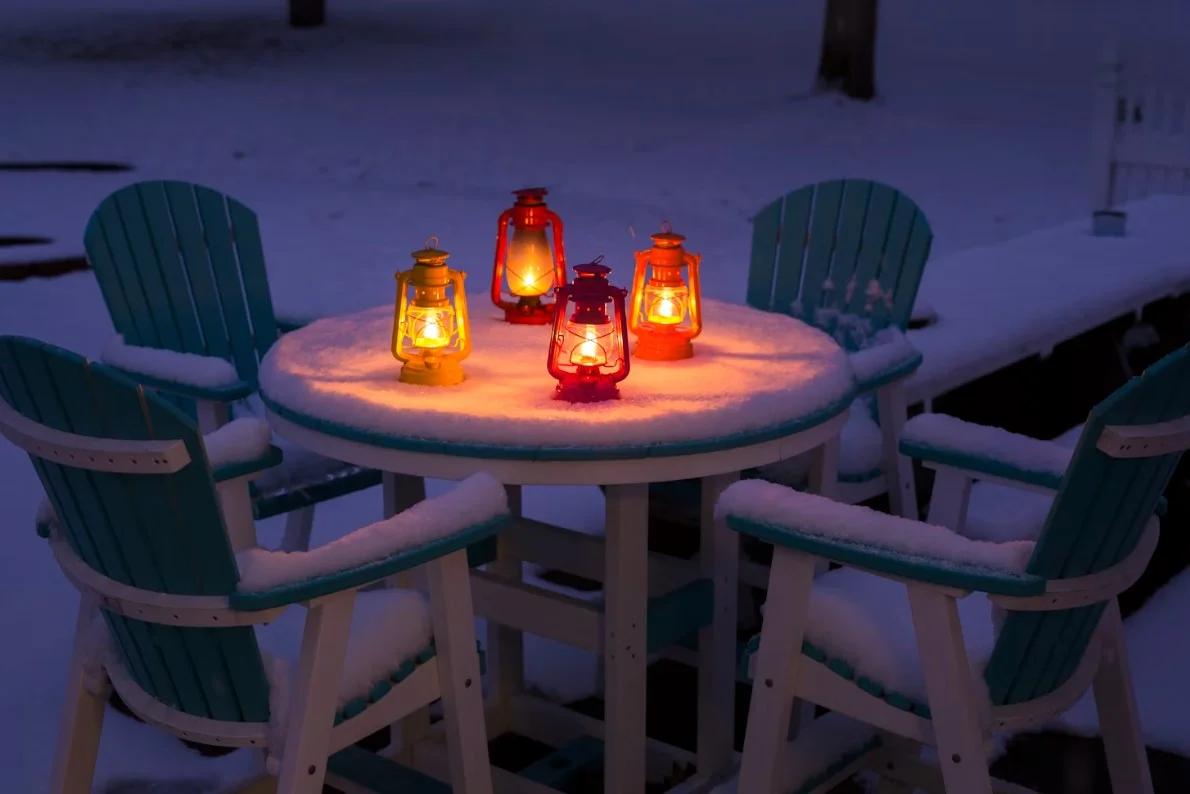
As evening settles over the spa towns, the rhythm slows even more. Lamps glow through misted windows, violins echo softly from hotel lobbies, and the scent of woodfire drifts through cobbled streets. Outside, the fountains keep running — the same thermal water flowing as it did for centuries, carrying with it stories of emperors, artists, and ordinary travelers who once came searching for the same thing: a little warmth, a little silence, a little balance.
And perhaps that is the true gift of Germany’s wellness culture — it doesn’t promise transformation; it simply invites you to pause. To sit by the pool’s edge, listen to the sound of water, and remember that peace was never somewhere far away. It was always here — in the warmth, in the stillness, in you.