
You can be a perfectly organised traveller and still miss your flight in Europe — not because you arrived “late”, but because you misunderstood what boarding actually means. The departure time on your ticket is not the moment you should be walking up to the gate. In busy hubs, boarding starts earlier than most people expect, and the gate can close while you’re still somewhere between security and a long corridor with no shortcuts.
This guide breaks down how airport boarding works in Europe in a way that’s useful in real life: what the announcements mean, how groups and zones work, why some airports feel easy until they suddenly don’t, and where travellers lose time without noticing. We’ll also use three major hubs — Frankfurt (FRA), Paris Charles de Gaulle (CDG), and Amsterdam Schiphol (AMS) — because the details matter, and Europe isn’t one single “standard”.
What “Boarding” Really Means in European Airports
For many travellers, boarding simply means “getting on the plane.” In reality, the boarding process in European airports is a structured, timed sequence that begins well before departure. Airlines announce boarding in stages, verify documents again at the gate, and often close access earlier than passengers expect.
The most common mistake is confusing the difference between boarding time and departure time. Departure time is when the aircraft pushes back or takes off. Boarding time is when passengers are invited to the gate area to line up, scan their passes, and move toward the aircraft — sometimes by jet bridge, sometimes by bus.
Another critical detail: when does boarding close in Europe? In many major airports, gates close 15–20 minutes before departure. Not when the line ends. Not when you see the aircraft outside. Once the system shows “closed,” staff are rarely able to reopen it.
And this is where things get subtle. You might clear security on time, grab a coffee, and still miscalculate how long it takes to walk to a remote gate. Especially in large hubs. Boarding isn’t a casual final step — it’s a timed checkpoint with very little flexibility.
How the Boarding Process Works in Europe
Although airport boarding rules in Europe vary slightly between airlines, the structure is surprisingly consistent. Once the gate opens, staff begin calling passengers in a specific order. This can be by group number, seat row, ticket class, or a mix of these.
The airport gate procedures in Europe usually include a second document verification. Even if your passport was checked earlier, it may be reviewed again at the gate — particularly on non-Schengen or long-haul flights. In some cases, staff manually compare boarding passes with ID before scanning.
Timing is strict. Gate closing time on Europe flights is typically enforced digitally. Once the system marks a passenger as “no-show,” reopening the gate is operationally difficult. Aircraft turnaround schedules are tight, and crews cannot delay for individual arrivals.
There’s also the physical aspect. In Frankfurt or Paris, reaching the aircraft may involve stairs or bus transport across the apron. In smaller regional airports, passengers might walk directly to the plane. The process feels simple — until the queue slows, announcements change, or the final call echoes while you are still several gates away.
Boarding by Groups and Zones
Most major European airlines use boarding groups Europe explained through numbered zones. Business class and frequent flyer status holders board first, followed by economy passengers divided into groups — often from 1 to 5. The logic is to reduce aisle congestion and speed up luggage placement.
Boarding zones in Europe are typically printed clearly on the boarding pass. If your zone hasn’t been called, staff may ask you to step aside. It’s orderly, but not always obvious if you’re not paying attention.
Row-Based Boarding on Short-Haul Flights
On some short-haul routes, airlines apply boarding by rows vs boarding by zones. Rear seat passengers board first, then middle rows, then front. The theory is that fewer people cross each other in the aisle. In practice, it works — unless cabin luggage capacity becomes limited.
The difference between short haul vs long haul boarding in Europe is noticeable. Long-haul flights tend to use more structured group announcements, while short-haul flights can move quickly, especially with low-cost carriers.
Priority Boarding and Airline Status
Priority boarding Europe airlines offer is not just about convenience. It often guarantees overhead bin space and reduces standing time in the aisle. Business class passengers, elite status members, and paid priority customers are usually called before general boarding begins.
How Low-Cost Airlines Handle Boarding
Low-cost airlines often separate passengers into priority and regular lines. The system is simple and fast. If you don’t purchase priority, you board later — sometimes via bus, sometimes directly by stairs. The structure is efficient, but less forgiving if you arrive at the gate late.
Read Also: What to Do If You Get Lost in an Airport
-Germany.webp)
Boarding at Frankfurt Airport (FRA), Germany
Boarding at Frankfurt Airport in Germany follows a disciplined and clearly structured flow. Announcements are precise, movement is organised, and the sequence rarely feels chaotic.
What changes the experience is not the system — it’s the scale.
FRA is one of Europe’s largest transit hubs. Gates can be far apart, concourses stretch longer than expected, and remote stands are common on European routes. Even after your boarding pass is scanned, the journey to the aircraft may continue by bus across the apron.
What Makes Boarding at FRA Different
- Distance is the hidden factor: extensive walking between terminals and outer gates.
- Bus boarding is routine: especially on short-haul flights.
- Morning waves are intense: passenger volume spikes early.
- Once it starts, it moves: operational timing stays strict.
Timing discipline matters here. Early departures can be sensitive, especially when motorway traffic builds before 7:00 AM. Many travellers choose a Frankfurt airport taxi for morning flights to avoid unpredictability and arrive aligned with the boarding window rather than rushing toward it.
At FRA, boarding runs exactly as scheduled. The real variable is how realistically you account for distance — and how early you start moving toward your gate.
Boarding at Paris Charles de Gaulle (CDG), France
Boarding at Paris Charles de Gaulle in France demands awareness. The system itself is structured and professional, but CDG is layered — terminals, satellites, long corridors, and frequent last-minute gate updates all shape the experience.
Unlike more compact hubs, movement here can change quickly. Boarding at Paris Charles de Gaulle often involves additional document checks at gate level, even after passport control. On non-Schengen routes especially, staff may verify identification again before scanning boarding passes.
What Makes Boarding at CDG Different
- Frequent gate changes displayed shortly before boarding
- Additional ID verification at the gate
- Large terminal layout with longer walking distances
- High passenger density during international departure waves
The subtle risk at CDG is time erosion. A gate number can shift while you are seated, and the walk to the new location may take longer than expected. When the announcement says “final call,” it often means boarding is already close to completion.
During peak hours, road congestion around Paris adds another layer of unpredictability. For early or long-haul flights, some travellers arrange CDG airport transfers in advance to align their arrival with the boarding window rather than relying on suburban rail timing.
At CDG, the process works — but only if you move with it. Extra margin is not excessive here. It’s practical.
Boarding at Amsterdam Schiphol (AMS), Netherlands
Boarding at Amsterdam Schiphol in the Netherlands feels efficient from the first moment. The airport is compact compared to other major European hubs, and navigation is generally intuitive. But that efficiency also means the process moves quickly — sometimes faster than passengers expect.
Boarding at Amsterdam Schiphol tends to unfold in a steady, continuous flow. Automated gates scan boarding passes, groups are processed without long pauses, and once movement begins, it rarely slows down. There is little idle time between announcement and final call.
What Makes Boarding at AMS Different
- Highly automated gate systems that process passengers quickly
- Compact layout — but concentrated passenger waves during peak hours
- Strict adherence to gate closure timing
- Minimal buffer once boarding is underway
The pressure point at AMS is not distance — it is pace. When your group is called, the window is short. Arriving at the gate a few minutes late can mean finding it already sealed.
Morning congestion at security has been a recurring factor in recent years, particularly during holiday seasons. Travellers with early departures often choose to book an Amsterdam airport transfer in advance to avoid relying on tightly scheduled public transport and to arrive aligned with the boarding sequence.
Schiphol operates with precision. Once boarding begins, the expectation is simple: be ready.
Read Also: Private Transfer vs. Car Rental in Europe: What’s Best for Your Trip?
-Switzerland.webp)
Boarding in Switzerland: Zurich Airport (ZRH)
Boarding at Zurich Airport (ZRH) reflects Switzerland’s reputation for precision. The process feels calm, structured, and rarely chaotic — but it moves exactly on schedule.
Zurich Airport is compact compared to Frankfurt or Paris, yet highly efficient. Passenger flow remains smooth, announcements are clear, and movement toward the aircraft feels measured rather than rushed.
Here, the variable is not distance — it is timing discipline.
What Defines Boarding in Zurich
- Predictable group sequencing with clear announcements
- Minimal gate congestion due to controlled passenger flow
- Strict adherence to boarding cut-off times
- Continuous movement once boarding begins
Zurich rarely feels overwhelming, even during peak travel hours. But the margin for delay is slim. Boarding closes precisely.
For early departures, many travellers arrange an airport taxi Zurich in advance to align arrival with the boarding window rather than relying on tightly timed rail connections.
In Switzerland, punctuality is assumed — not suggested.
Boarding in the Czech Republic: Prague Airport (PRG)
Prague Airport (PRG) operates on a smaller scale — but not with looser timing. The environment feels contained, yet boarding discipline remains firm.
The layout is easy to navigate, and walking distances are manageable compared to multi-terminal hubs. During holiday seasons and morning departure waves, however, passenger density rises quickly — particularly on Schengen routes.
What Defines Boarding in Prague
- Compact terminal structure with direct gate access
- Clear announcements and limited idle time
- Fast progression on short-haul routes
- Concentrated passenger waves during early departures
The pace can feel relaxed until boarding begins. Once groups are called, movement becomes steady — and late arrivals are rarely absorbed.
Travellers flying early or during peak tourism months often arrange a Prague airport transfer in advance to avoid urban traffic variability and arrive aligned with the boarding sequence.
Prague may feel smaller — but the timing expectations are not.
Boarding in Hungary: Budapest Airport (BUD)
Budapest Ferenc Liszt Airport (BUD), located in Hungary, sits between regional calm and international flow. It is not overwhelming in size, yet it handles a steady mix of European and longer-haul traffic.
Boarding here feels structured — more compact than at major transit hubs. The terminal layout is straightforward, distances are manageable, and navigation is rarely confusing.
What shifts the pace is passenger concentration. During departure waves — especially on low-cost European routes — boarding can move quickly once groups are called.
What Defines Boarding in Budapest
- Compact terminal layout with direct gate access
- Faster group progression on short-haul routes
- Limited buffer once boarding begins
- Seasonal passenger peaks during summer travel
Budapest does not usually create confusion — but it does reward awareness. Once announcements begin, the sequence progresses steadily. Late arrivals are rarely absorbed into the flow.
For early departures or busy seasonal periods, some travellers arrange an airport transfer Budapest in advance to ensure arrival aligns with the boarding window rather than relying on variable city traffic.
At BUD, boarding feels contained and efficient. The margin is smaller than it appears.
Boarding in Romania: Bucharest Henri Coandă Airport (OTP)
Bucharest Henri Coandă Airport (OTP), located in Romania, blends regional scale with growing international traffic. The terminal is not oversized, yet boarding dynamics shift noticeably depending on route type and time of day.
Short-haul European departures often move quickly. Non-Schengen routes may involve additional document verification before passengers proceed to the aircraft. The process remains structured — but congestion can form in concentrated departure windows.
The variable here is overlap.
What Defines Boarding in Bucharest
- Moderate terminal size with concentrated gate areas
- Mixed traffic profile — EU and non-EU routes
- Passenger clustering during aligned departure times
- Firm operational cut-off discipline
The subtle challenge at OTP is timing overlap. When several flights board within a narrow interval, queues form quickly and movement becomes less fluid.
Travellers departing early or during high-traffic periods sometimes arrange a Bucharest airport transfer to avoid variability in urban traffic and arrive aligned with the boarding window rather than reacting to it.
At OTP, boarding feels direct and functional. The system works — but it expects passengers to anticipate peak moments.
Read Also: What to Do During a Long Layover at Brussels, Frankfurt, Amsterdam or Nice Airport?
Boarding in Croatia: Zagreb Airport (ZAG)
Croatia brings a more seasonal rhythm to the boarding experience. Zagreb Airport (ZAG) is not oversized, but its passenger flow shifts noticeably depending on the time of year.
Outside peak summer months, boarding at Zagreb Airport feels calm and controlled. Volumes are manageable, movement toward the aircraft is straightforward, and the atmosphere rarely feels rushed.
Summer changes the tempo. During high tourist season, departure waves intensify — particularly on European routes — and the margin for delay becomes thinner.
What Defines Boarding in Zagreb
- Compact terminal structure with concentrated gate areas
- Seasonal passenger spikes during peak travel months
- Quick progression once boarding begins
- Low tolerance for late gate arrivals
The shift between low and high season is the key variable. What feels relaxed in spring can become tightly scheduled in July.
Travellers flying during peak months often arrange a Zagreb airport transfer in advance to avoid traffic fluctuations and align arrival with the boarding window rather than adjusting at the last minute.
In Zagreb, boarding is rarely chaotic. Timing, however, remains non-negotiable.
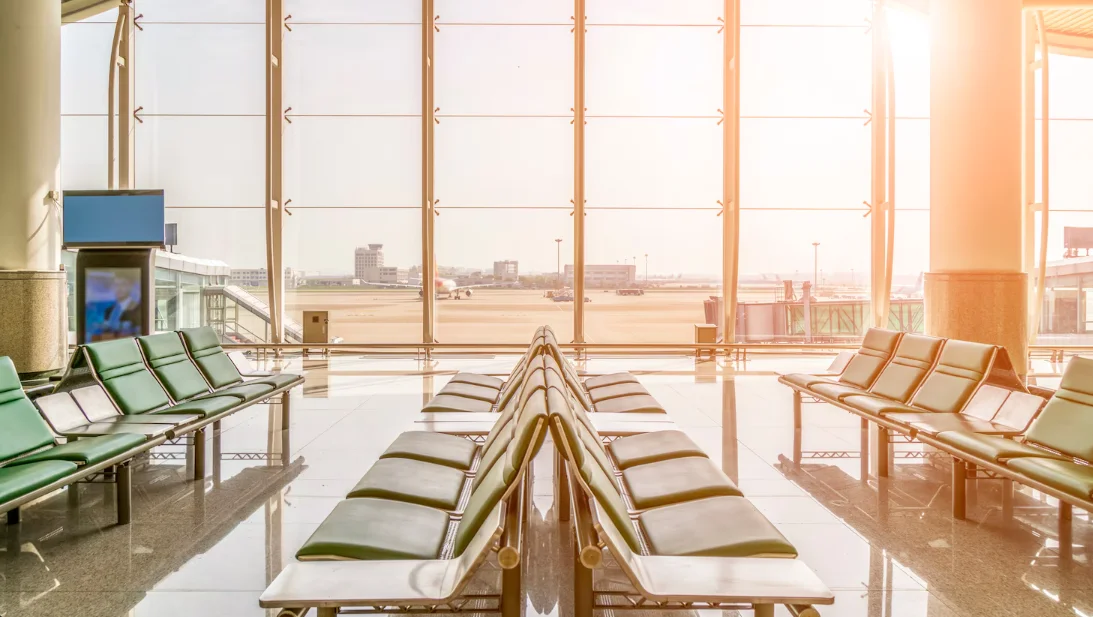
Boarding Start and Gate Closing Times at Major European Airports
Although procedures vary slightly between airlines, boarding windows across major European hubs follow a relatively predictable structure. The difference is not in the rule itself — but in how strictly timing is enforced and how long it takes to physically reach the aircraft.
| Airport | Typical Boarding Start | Gate Closing Time | Operational Notes |
|---|---|---|---|
| Frankfurt (FRA) | 40–45 minutes before departure | 15 minutes before departure | Large terminals, frequent bus gates, long walking distances |
| Paris CDG | 40–45 minutes before departure | 15–20 minutes before departure | Additional document checks possible, gate changes not uncommon |
| Amsterdam (AMS) | 30–40 minutes before departure | 15 minutes before departure | Automated boarding gates, fast processing once started |
These figures are typical rather than absolute. Airlines may adjust slightly depending on aircraft size or route type. What remains consistent is this: once the gate status changes to closed, reopening it is rare.
Boarding is structured around fixed operational cut-offs. The clock matters more than the queue.
Common Mistakes Travellers Make Before Boarding
Most missed flights in Europe don’t happen because passengers arrive at the airport late. They happen because travellers misjudge the final 30 minutes before departure.
The first mistake is ignoring the difference between departure time and boarding time. Many people glance at their ticket, see 10:40, and assume they can comfortably reach the gate at 10:25. In reality, by that point boarding may already be closing.
The second issue is underestimating distance. Large airports are not linear. A gate change can mean a 10–15 minute walk, sometimes involving escalators, shuttle trains, or bus transfers. When you hear “final call,” you are often already behind schedule.
Gate changes are another frequent disruption. Screens update quietly. If you’re seated away from the central departure boards, you might not notice immediately. By the time you arrive at the new gate, the queue may have thinned — which sounds positive, but often signals that boarding is nearly complete.
Early morning departures create their own pressure. Security lanes may be operating at reduced capacity, and queues form quickly between 5:00 and 7:00 AM. Even experienced travellers miscalculate this window.
Finally, many passengers assume flexibility. They believe staff can reopen a gate if they are “just one minute late.” In most European hubs, once the system closes, the aircraft preparation sequence continues. Reversal is rare.
Boarding is structured. It feels relaxed — until the last few minutes. That’s where most timing mistakes happen.
Boarding Time vs Departure Time Explained
One of the most misunderstood parts of the boarding process in European airports is the timeline printed on the ticket. Two times appear simple on paper — but operationally, they mean very different things.
| Term | What It Actually Means | What Many Travellers Assume | Operational Reality |
|---|---|---|---|
| Departure Time | The scheduled time the aircraft leaves the gate or runway | The latest moment to arrive at the gate | By this time, boarding is already closed |
| Boarding Time | The time when passengers begin entering the aircraft | A flexible recommendation | A structured, timed procedure |
| Gate Closing | The cut-off moment when access stops | Staff may allow late arrivals | System closure is usually final |
The difference between boarding time and departure time is not a technical detail — it defines whether you fly or stay behind. In most European airports, boarding closes 15 to 20 minutes before departure. That window is operational, not negotiable.
Once the gate is marked closed in the system, reopening it affects crew schedules, slot coordination, and aircraft sequencing. Airlines rarely make exceptions.
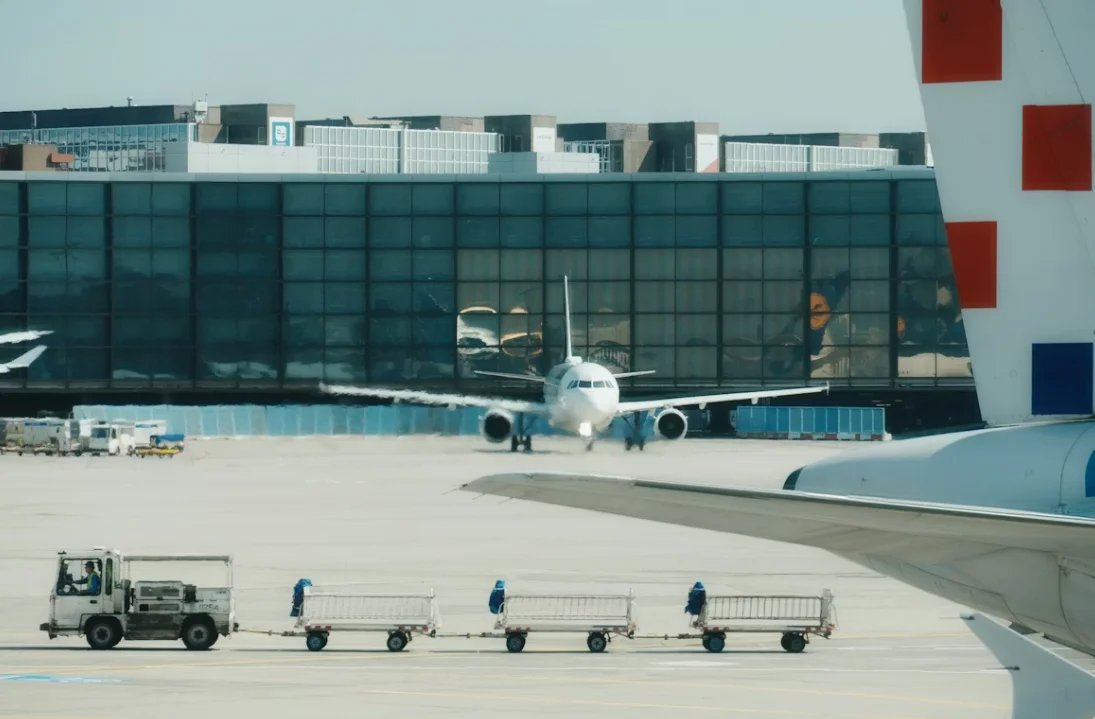
How Early Should You Arrive at a European Airport?
The question sounds simple. The answer depends on more variables than most travellers consider.
How early to arrive for boarding Europe depends on flight type, airport size, season, and time of day. A short Schengen flight from a regional airport is very different from a long-haul departure from a major hub like Frankfurt or Paris.
For most short-haul European flights, arriving two hours before departure is considered safe. That buffer allows time for security queues, potential gate changes, and the structured boarding sequence that begins well before takeoff.
Long-haul flights require more margin. Passport control, secondary document checks, and larger aircraft mean boarding starts earlier and moves in stages. Three hours before departure is a practical baseline in busy airports.
Peak travel periods change everything. Summer holidays, school breaks, and major travel weekends increase passenger volume dramatically. Queues expand unpredictably. The same applies to early morning departures — between 5:00 and 7:00 AM, when multiple flights cluster within a narrow window.
The real mistake is calculating arrival based only on departure time. Boarding is a timed process. If your gate closes 15 minutes before departure, your arrival buffer must protect that cut-off — not the takeoff itself.
| Flight Type | Recommended Arrival Time | Why This Buffer Matters |
|---|---|---|
| Short-Haul (EU) | 2 hours before departure | Security queues and gate walking distance |
| Long-Haul | 3 hours before departure | Passport control and staged boarding |
| Peak Season | Add 30–45 minutes | Higher passenger volume and slower processing |
| Early Morning Flights | 2.5–3 hours recommended | Clustered departures and limited open counters |
Arriving “just on time” works only when nothing changes. European airports rarely operate on that assumption.
How Getting to the Airport Affects Your Boarding Experience
Boarding does not start at the gate. It starts much earlier — at the moment you calculate when to leave for the airport.
Traffic congestion, rail delays, and unexpected disruptions on public transport can quietly erase the buffer you built into your schedule. A ten-minute delay on the road often translates into arriving at security at the exact moment queues peak.
This is particularly relevant for early departures from large hubs. A 6:30 AM flight means boarding may begin shortly after 5:45. If your journey to the terminal depends on tightly scheduled trains or unpredictable motorway traffic, your margin narrows quickly.
That’s why some travellers prefer structured ground transport rather than improvisation. Booking a frankfurt airport taxi for early flights, for example, removes one layer of uncertainty before the boarding sequence even begins.
Companies such as AirportTaxis focus specifically on timed airport arrivals, which aligns directly with how European boarding procedures operate. When gate closing times are firm, the journey to the terminal becomes part of the boarding strategy — not a separate step.
Arriving relaxed is not about comfort. It’s about preserving the final 20 minutes before gate closure — the period where most disruptions occur.
Europe vs USA Boarding: The Structural Difference
At a glance, boarding procedures in Europe and the United States look similar. Groups are called, passengers line up, boarding passes are scanned. But structurally, there are noticeable differences.
In the U.S., airlines often use a higher number of clearly defined boarding groups. Large carriers may divide economy passengers into multiple tiers, sometimes extending beyond five or six categories. The emphasis is on status hierarchy and cabin segmentation.
In Europe, boarding groups Europe explained tend to be simpler. Many airlines rely on zone-based systems or row-based boarding for short-haul routes. The focus is less on segmentation and more on flow efficiency, particularly for narrow-body aircraft operating frequent rotations.
Another distinction lies in enforcement. European gate closing procedures are typically strict and digitally controlled. Once the system marks a passenger as absent, reopening access is uncommon. In some U.S. airports, there may be slightly more discretionary flexibility, depending on airline policy and gate coordination.
Low-cost carriers in Europe also operate with tighter turnaround schedules. Boarding moves quickly, and delays at the gate are minimized to protect aircraft rotation times.
Neither system is inherently better. The key difference is predictability. European boarding prioritizes time discipline. U.S. boarding often prioritizes passenger tier structure. For travellers, understanding the local logic matters more than memorizing the rules.
Read Also: Summer 2025 Travel Tips: The Smart Way to Book Airport Transfers Across Europe
Final Advice for Stress-Free Boarding in Europe
If there is one principle that defines airport boarding in Europe, it is timing discipline. Everything revolves around fixed cut-off points — not flexible intentions.
Do not calculate your arrival based on departure time. Calculate it based on gate closure. If boarding closes 15 minutes before departure, your internal deadline should be earlier than that. Build margin before security, before the walk to the gate, and before the boarding announcement begins.
Check the departure screens more than once. Gate changes happen quietly. A relaxed coffee near one concourse can turn into a fast walk to another if the gate shifts unexpectedly.
For early flights, especially from large hubs, plan your ground transport as carefully as your flight itself. Many experienced travellers structure their arrival strategy in advance, using scheduled transfers or services such as AirportTaxis to align with strict European boarding timelines.
Boarding in Europe is efficient, structured, and predictable — but only if you move with the system. Leave enough time, stay aware of announcements, and treat gate closure as a firm deadline rather than a suggestion.
The final minutes before departure are rarely chaotic. They are simply unforgiving.