
There is a reason Ripley’s Italy stays in the mind long after the episode ends. It is not only the black-and-white photography or the quiet tension of the story. It is the way Italy itself becomes part of the mood: stone stairways, narrow coastal lanes, empty churches, old hotel rooms, silent water and towns that seem to hold their breath for a moment.
Some of the most memorable Ripley filming locations are not hidden studio sets, but real Italian streets, coastal towns and historic cities you can actually visit. Atrani gives the series its most intimate southern atmosphere, Rome brings in churches and old-world shadows, while Venice turns the journey into something colder, slower and more cinematic.
The route is not built around one single place. These Ripley Italy locations stretch across several parts of the country, from the Amalfi Coast and Naples to Capri, Rome, Venice and Palermo. That is what makes the trip interesting, but also why it helps to think about the journey in sections rather than trying to rush through everything at once.
For many travellers, Naples works as the natural door into Atrani and the Amalfi Coast. Rome is better treated as a cultural chapter of its own, Venice feels like a final scene, and Palermo can become a southern extension if you want to follow the mood of the series even further. It’s not a route that needs to be forced, it works better when each place has some space.
This guide follows that idea: a calm, realistic way to visit the Italian places connected with Ripley, understand how they fit together, and plan the journey without turning it into a checklist.
Where Was Ripley Filmed in Italy?
Ripley was filmed across several Italian locations, and that is one of the reasons the series feels so rooted in place. The story does not stay in one simple postcard version of Italy. It moves between the tight coastal world of Atrani, the southern energy around Naples, the island elegance of Capri, the old churches and streets of Rome, the water and silence of Venice, and the darker southern rhythm of Palermo.
For anyone asking where was Ripley filmed, the short answer is that many of the most recognisable scenes are connected with real places in Italy rather than a single studio-built setting. Atrani and the Amalfi Coast shape much of the early atmosphere, while Rome gives the story its religious, architectural and almost painterly tension. Venice adds a colder, more reflective mood, and Palermo brings in another layer of southern Italy, older, rougher around the edges, and very different from the polished coastal scenes.
These Ripley filming locations in Italy can also be understood as a travel route, although not every place needs to be visited in one trip. Naples International Airport, NAP, is the most practical airport for Atrani, the Amalfi Coast, Naples and Capri. Rome Fiumicino Airport, FCO, and Rome Ciampino Airport, CIA, work best for the Rome part of the journey. Venice Marco Polo Airport, VCE, is the natural entry point for Venice, while Palermo Airport, PMO, is the airport to consider if you want to add Sicily as a separate extension.
The important thing is not to treat the route like a race. Ripley’s Italy works because every location has a different pressure and pace. Atrani feels enclosed and intimate, Naples feels alive and practical, Rome feels heavy with history, Venice feels almost unreal, and Palermo has its own rough beauty. Together, they create a journey that is more layered than a normal filming location tour.
Atrani and the Amalfi Coast: The Heart of Ripley’s Italy
Atrani is the place where Ripley’s Italy feels most closed in, most personal, and maybe most difficult to forget. It is not a grand city scene or a polished postcard view. It is smaller than that: stone steps climbing between old houses, narrow passages that bend suddenly, balconies above quiet lanes, and the sea appearing for a second between walls before disappearing again.
That is why the Atrani Ripley filming location works so well on screen. The town has a natural sense of pressure. You feel the height of the coast, the closeness of the buildings, the way sound seems to stay inside the streets. Even in daylight, Atrani can feel like a place with secrets. For a visitor, this is also what makes it special. You do not come here only to take one photo and leave. You come to walk slowly, notice the corners, and let the place become a little strange in a good way.
The wider Ripley Amalfi Coast route can include Amalfi, Ravello and, if there is time, Positano. But Atrani should not be treated as just a small stop beside more famous names. Amalfi has its cathedral and busy waterfront, Ravello has gardens and high views, Positano has the dramatic cliffside image most people already know. Atrani is quieter, tighter, and more cinematic in a different way. It feels less arranged for visitors, and that helps it stay close to the feeling of the series.
Places to Notice Around Atrani
Atrani’s stairways: The stone steps are part of the town’s character. They connect homes, small lanes and hidden corners in a way that feels almost like a set, though it is real life moving around you.
The small central square: Piazza Umberto I is not large, but it gives the town a human centre. It is the kind of place where you can sit for a short break and understand the rhythm of Atrani better than by rushing through it.
The route toward Amalfi: Amalfi is close enough to pair with Atrani, but the mood changes quickly. The road and walking paths between them make the contrast clear: one place feels enclosed, the other more open and busy.
Ravello above the coast: Ravello adds a wider view after the tight streets below. It is a good counterpoint if you want the journey to feel less heavy and more spacious for a few hours.
Travel Experience
For travellers who want to turn this part of the series into a real trip, Naples is usually the most practical arrival point. Naples International Airport, NAP, gives access to the coast, but the final part of the journey can take time because the roads are narrow and the towns are not built for fast movement. If you arrive with luggage or later in the day, a taxi from Naples Airport to Amalfi Coast towns such as Atrani, Amalfi or Ravello can make the first stage less rushed.
Why This Stop Matters
Atrani matters because it gives the journey its emotional centre. It is small, yes, but that is the point. The town does not need to be dramatic in a loud way. Its strength is in the closeness of the streets, the sudden sea views, the old walls and the feeling that every turn could lead into another scene. For fans of Ripley, this is the place where the trip starts to feel properly real.
Read more: The Best Milan Places - Tourist guide
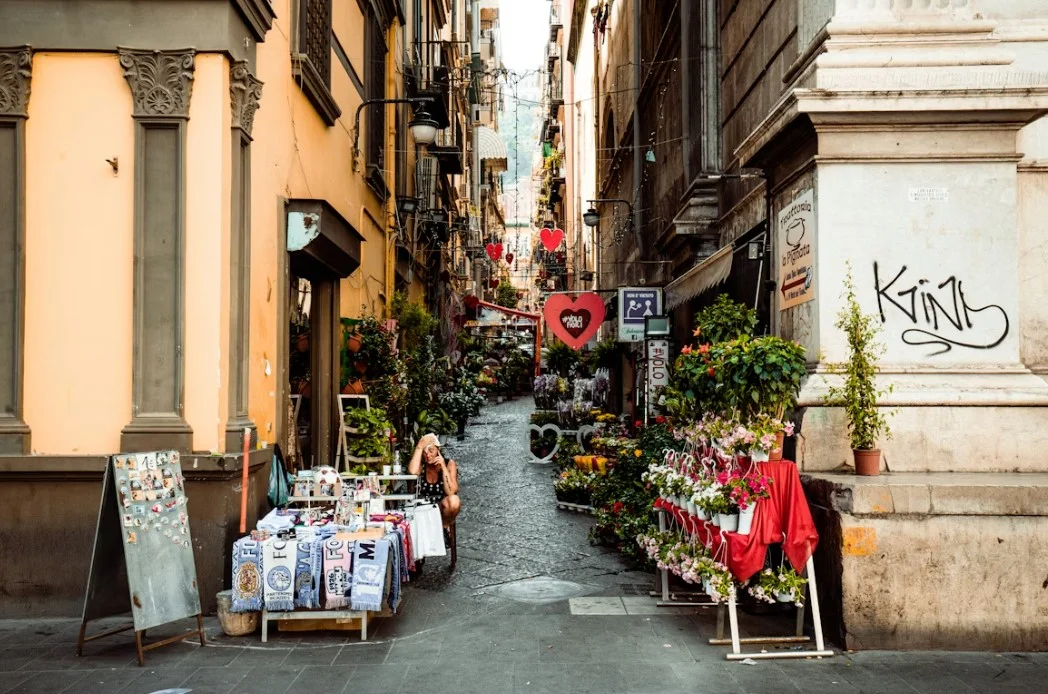
Naples: The Gateway to Atrani, Capri and Southern Italy
Naples is not only a city on the way to somewhere else. For this route, it works almost like a first chapter. If Atrani gives Ripley its enclosed coastal feeling, Naples gives the journey movement: streets full of noise, old buildings, traffic, food, port life and the sense that southern Italy starts properly here.
It is also the most practical base for travellers who want to connect several places without making the trip too complicated. From Naples, you can continue by road toward Atrani and the Amalfi Coast, take a ferry toward Capri, or spend time in the historic centre before moving deeper into the route. The city is intense, yes, but it gives the journey a useful shape.
Key Places to Notice in Naples
Naples historic centre: This is where the city feels oldest and most alive. Narrow streets, churches, courtyards and small shops sit very close together, and the atmosphere is completely different from the quieter coastal towns.
Port of Naples: The port is important if Capri is part of your plan. It gives the route a natural transition from city streets to the island part of the journey, and it also keeps Naples connected to the wider southern itinerary.
The road toward the Amalfi Coast: Leaving Naples for the coast changes the rhythm of the trip. The route becomes slower, more scenic and more dependent on timing, especially during busy travel periods.
Travel Experience
Naples International Airport, NAP, is the main arrival point for this part of the journey. If your plan is to see Atrani, Capri and the southern side of the series, a Naples airport transfer can make the first day smoother, especially if you land late, travel with luggage or want to continue toward the coast without figuring out several connections after the flight.
The city also works well if you do not want to rush straight to Atrani. Spending one night in Naples can make the route feel more natural. You arrive, settle in, walk through the historic centre, eat properly, and then continue to the Amalfi Coast or Capri the next morning. It’s a small pause, but it can change how the whole trip feels.
Why This Stop Matters
Naples matters because it holds the southern route together. Without it, Atrani, Capri and the Amalfi Coast can feel like separate names on a list. With Naples, the journey has a starting point, a port, an airport and a real city behind it. It may be messy in places, and sometimes it feels like too much at once, but that energy is exactly what makes the route feel alive.
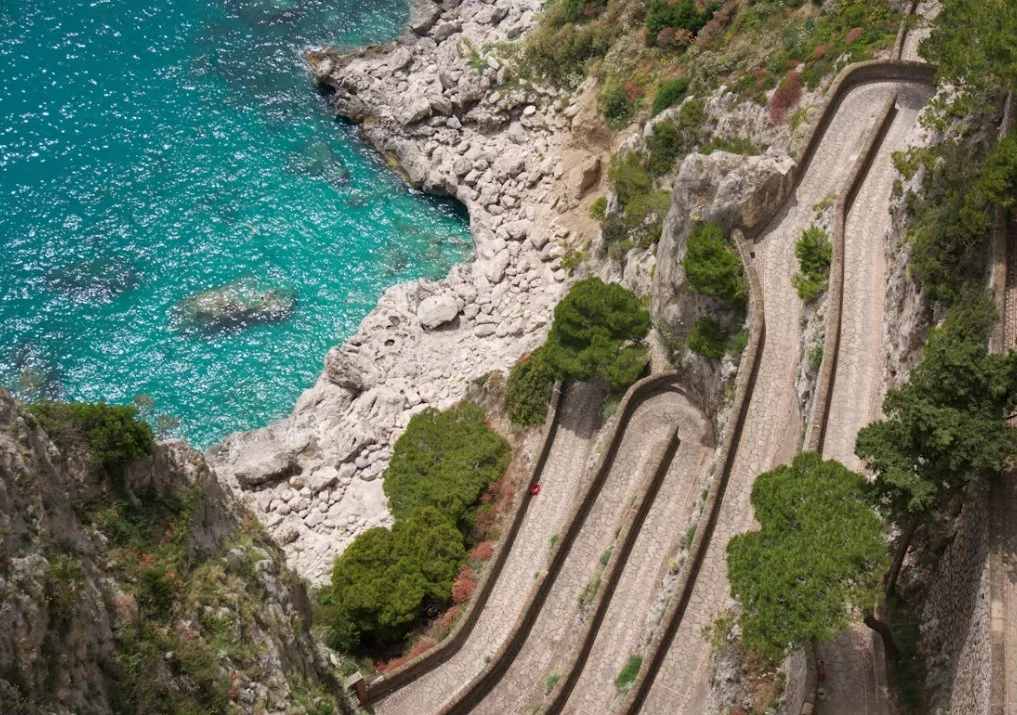
Capri: The Elegant Island Side of Ripley’s Italy
Capri changes the feeling of the route. After the tighter streets of Atrani and the restless movement of Naples, the island brings in another kind of Italy: brighter, slower and more polished. It is still connected to the mood of the series, but the pressure here feels different. Less enclosed, more exposed to light, sea and distance.
For many travellers, Capri begins at Marina Grande, where ferries arrive from Naples or Sorrento. The first impression is busy, with boats, luggage, day visitors and hotel transfers moving in different directions. But once you go higher into the island, the atmosphere starts to shift. Streets become smaller, views open suddenly, and the island begins to feel less like a famous name and more like a place with its own rhythm.
Among the most elegant Italy filming locations connected with the wider spirit of the series, Capri adds contrast. Atrani is narrow and shadowed. Naples is loud and practical. Capri feels more controlled, more theatrical in a quiet way. It gives the journey a pause before the heavier cultural atmosphere of Rome.
Places to Notice on Capri
Marina Grande: This is the island’s main arrival point and often the first real view travellers get of Capri. It can feel busy at first, but it also gives the route a natural sense of movement from Naples across the water.
Anacapri: Anacapri is calmer and higher than the main town. The streets feel less hurried, and the views make the island seem wider than it appears from the harbour.
Terraces and sea views: Capri is made for slow pauses. A short walk can open into a wide view of the sea, boats below, white buildings and the kind of light that makes everything look slightly unreal.
Ferry routes from Naples or Sorrento: The ferry is part of the experience, not just transport. It gives the trip a break between the mainland and the island, and that small separation makes Capri feel like a different chapter.
Travel Experience
Capri is best treated with some patience. It is easy to arrive, walk through the busiest areas, take a few photos and feel like the island is too crowded. But if you give it more time, especially early in the morning or later in the afternoon, it becomes softer and more interesting. The island needs a slower pace, otherwise it just becomes another stop you have “done”.
Naples International Airport, NAP, remains the main airport connection for travellers planning Capri together with Atrani and the Amalfi Coast. From there, the route usually continues through Naples and then by ferry. It is not complicated, but timing matters, especially if you are arriving late or trying to fit the island into a short itinerary.
Why This Stop Matters
Capri matters because it gives the route elegance without making it feel empty. It is scenic, of course, but it is not only about views. The island adds distance, light and a quieter kind of tension after Naples and Atrani. In a Ripley-inspired journey, that contrast is useful. It lets the trip breathe before moving into Rome, where the atmosphere becomes older, darker and more architectural.
Read more: Milan Design Week 2025: Full Guide to Events, Venues and Airport Transfers
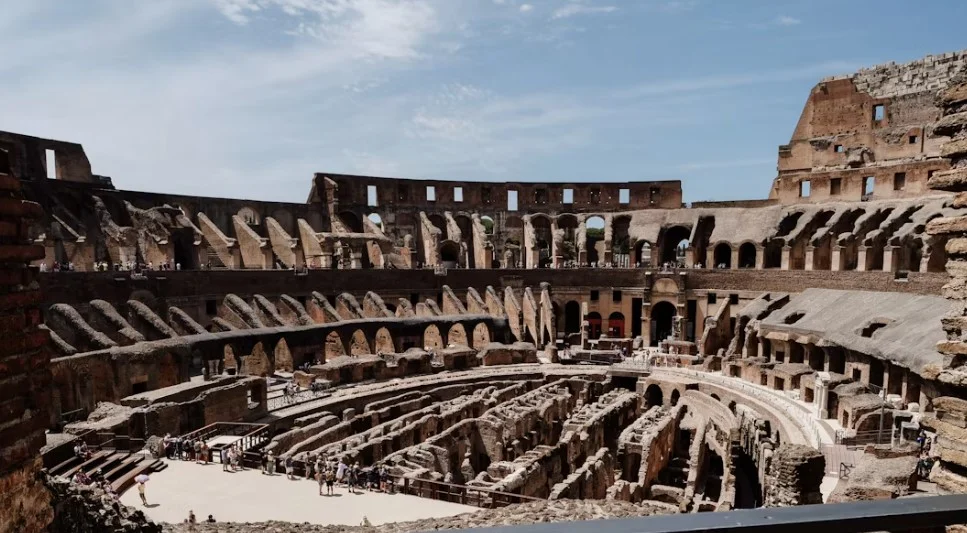
Rome: Churches, Streets and Old-World Suspense
Rome brings a different weight to the journey. After the coast, Naples and Capri, the city feels older, quieter in some corners, and more serious. It is not only about famous monuments. In a Ripley-inspired route, Rome works best through side streets, churches, stone facades, courtyards and places where the light changes slowly during the day.
The city gives the story a more classical kind of tension. You can feel it in the narrow streets near old palaces, in church interiors where people lower their voices without thinking, and in those small Roman corners where the city seems almost too beautiful but not always comfortable. That mood fits Ripley very naturally, because Rome can be grand and intimate at the same time.
For travellers, Rome is also one of the easiest chapters to build into the itinerary. It can be visited before the southern route, after Naples and the Amalfi Coast, or as a separate city break connected with the series. Rome Fiumicino Airport, FCO, and Rome Ciampino Airport, CIA, both serve the city, and a Rome airport transfer is the simplest way to move from either airport into the historic centre before starting this part of the route.
Places to Notice in Rome
Rome historic centre: This is where the city gives you the most natural walking route. Old streets, small squares, fountains and church facades appear one after another, often without needing a strict plan.
Via della Cordonata: A short street, but useful for the mood of the article. It has that Roman feeling of stone, slope and shadow, where the city looks staged even when it is not.
Via di Monserrato: This street feels quieter than the main tourist routes. It works well for travellers who want Rome to feel less like a checklist and more like a place they are moving through slowly.
San Luigi dei Francesi: The church is strongly connected with Caravaggio, and that alone makes it important for the atmosphere. Dark interiors, religious art and quiet tension all fit the visual world that Ripley plays with.
Travel Experience
Rome should not be rushed between two long travel days. It is tempting to treat it as a stop between the Amalfi Coast and Venice, but the city needs time. Even one full day can work if you keep the route compact, but trying to combine churches, museums, airport movement and a long train journey in the same day can make it feel flat.
A better approach is to choose one area and stay with it for a while. Walk through the historic centre, step inside a church without planning every minute, take a break somewhere not too polished, and let the city feel a bit uneven. Rome is not always smooth, and that is part of why it feels real.
Why This Stop Matters
Rome matters because it gives the journey its cultural centre. Atrani has the enclosed coastal mood, Naples has movement, Capri has light, but Rome adds history, art and a heavier silence. It is the part of the trip where the visual style of Ripley becomes less about scenery and more about atmosphere. The city makes the route feel deeper, not just longer.
Read more: Private Transfer vs. Car Rental in Europe 2025: What’s Best for Your Trip?
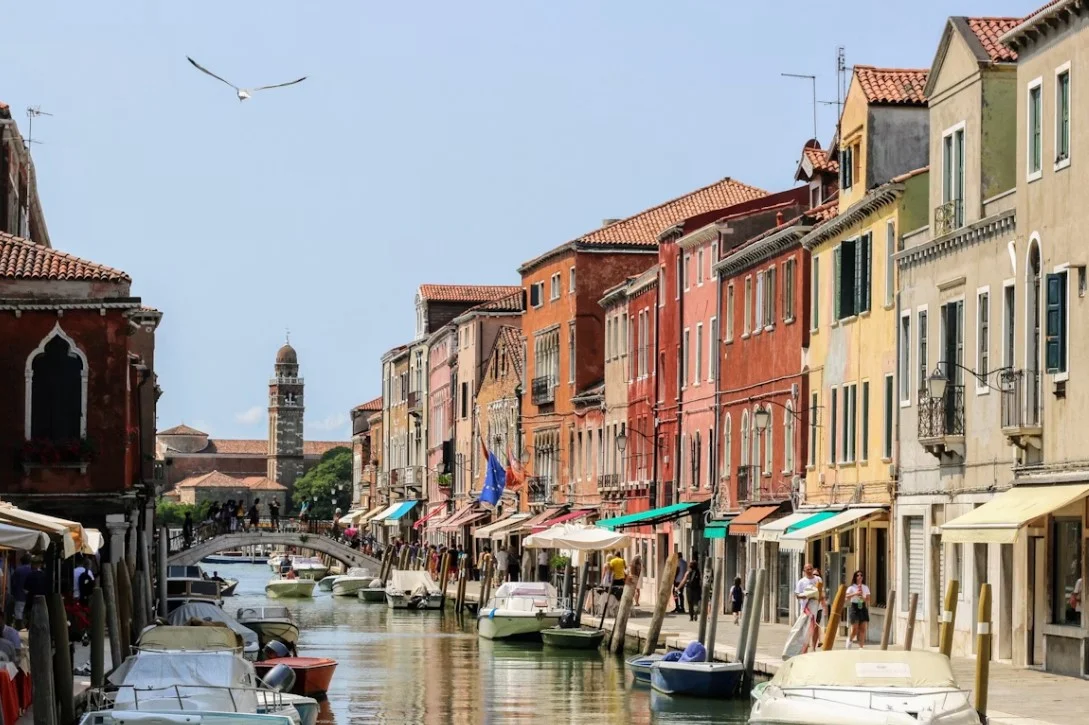
Venice: The Most Cinematic Ending to the Route
Venice feels like the natural final scene of a Ripley-inspired journey. After the coast, Naples, Capri and Rome, the city changes the pace completely. Everything becomes slower, quieter and less direct. You do not move through Venice in straight lines. You cross bridges, turn into narrow lanes, stop near dark water, and sometimes end up somewhere you did not plan to be.
That makes Venice one of the most cinematic parts of the route. The city already has a sense of performance, but not in a loud way. Palaces reflect in the canals, footsteps sound different at night, and even a short walk after dinner can feel strangely theatrical. It is beautiful, of course, but there is also something cold and distant in that beauty, which fits the mood of Ripley very well.
For travellers adding Venice to the itinerary, Venice Marco Polo Airport, VCE, is the main arrival point. If Venice is your final stop, a Venice airport transfer keeps the arrival simple before you move into the slower rhythm of bridges, canals and waterside hotels.
Places to Notice in Venice
Grand Canal: The Grand Canal gives the city its most recognisable shape. It is busy, impressive and full of movement, but even here Venice can feel slightly unreal, especially early in the morning or later in the evening.
Quiet night streets: Venice changes after the day crowds thin out. Smaller streets, closed shutters and narrow passages near the water give the city a more private atmosphere, and this is where the mood becomes much closer to the series.
Historic palazzi: The old palaces are not only beautiful buildings. They give Venice its sense of age, money, secrecy and distance. You often see them from the outside, across the water, which makes them feel even more unreachable.
Palazzo Contarini Polignac: If you want to add one more specific stop, this palace can fit the mood of the route. It is not a place to rush through, but it works as part of the wider Venice atmosphere.
Travel Experience
Venice is better when you give it at least one night. A day visit can show you the famous views, but the city becomes more interesting when the light changes and the streets start to empty. That is when the canals feel darker, the reflections sharper, and the whole place gets a bit less postcard-like.
It is also a city where planning too much can work against you. Choose a few areas, leave time for walking, and accept that getting slightly lost is part of the experience. Venice is not always easy to navigate, but that is kind of the point.
Why This Stop Matters
Venice matters because it gives the route a proper ending. Atrani feels enclosed, Naples feels alive, Capri feels bright, Rome feels heavy with history, and Venice turns everything quieter and more uncertain. It is the kind of place where the journey does not simply finish. It fades out slowly, with water, stone, shadow and silence around it.
Read more: Summer 2025 Travel Tips: The Smart Way to Book Airport Transfers Across Europe
Palermo: A Southern Italy Extension for Fans of the Series
Palermo should not feel like a quick extra stop at the end of the route. It has a different rhythm from Rome, Venice or the Amalfi Coast, and that is exactly why it works better as a separate southern extension. The city is warmer, rougher in places, more layered, and full of streets where beauty and everyday life sit very close together.
For a Ripley-inspired trip, Palermo adds another side of Italy. It is not the tight coastal feeling of Atrani, and it is not the polished silence of Venice. Palermo feels older in a less controlled way. Churches, markets, faded facades, small side streets and sudden bright squares all create a mood that is very Sicilian, but still connected to the atmosphere of the series.
If you add Sicily to the journey, Palermo Airport, PMO, is the natural arrival point. For travellers extending the route this far south, a Palermo airport transfer is a practical way to move from the airport into the old town, especially if this is the final chapter of the trip rather than a fast stop between Rome and Venice.
Places to Notice in Palermo
Palermo old town: This is where the city feels most layered. Streets can be busy, uneven, beautiful and slightly chaotic in the same walk, which gives Palermo a very different energy from the other stops.
Oratorio di San Lorenzo: A small but atmospheric place, especially if you are interested in religious interiors, old art and the quieter side of the city.
Santuario di Santa Rosalia: This site brings another kind of mood to the Palermo chapter, more local and spiritual, with a strong sense of place around it.
Sicilian streets and churches: Palermo is best understood by walking without trying to make every hour perfect. Some corners look worn, others suddenly open into something grand, and that contrast is part of the city charm.
Travel Experience
Palermo needs a little patience. It is not always smooth, and it does not always present itself as neatly as other Italian cities. But if you stay with it, the city becomes more interesting. A short visit can work, but one or two nights give you more space to understand the old town, try local food, and let Sicily feel like its own part of the journey.
This is also why Palermo is better placed at the end of a longer itinerary. After Atrani, Naples, Rome and Venice, the city feels like a new chapter rather than a repeat. It brings the route back south, but in a darker, denser and more local way.
Why This Stop Matters
Palermo matters because it keeps the trip from feeling too polished. The city has history, heat, noise, old churches, street life and a kind of beauty that is not always tidy. For fans of the series, it adds depth to the idea of Ripley’s Italy and makes the route feel wider than only the famous, postcard places.
Best Airports for Visiting Ripley Filming Locations
Because the locations connected with Ripley are spread across different parts of Italy, the airport you choose can shape the whole journey. For a short southern route, Naples is usually the strongest starting point. For a culture-first trip, Rome works better. Venice and Palermo are best treated as separate chapters, especially if you do not want the itinerary to feel too packed.
The main thing is to avoid looking at the map too simply. Some places may appear close enough on paper, but the real travel experience depends on roads, ferry times, luggage, arrival hours and how much energy you want to spend moving between places. A calm route will usually feel better than one that tries to connect every location too quickly.
| Destination | Best Airport | Best Starting Point | Travel Note |
|---|---|---|---|
| Atrani / Amalfi Coast | Naples International Airport, NAP | Naples | Best for reaching Atrani, Amalfi and Ravello without adding another city first. |
| Capri | Naples International Airport, NAP | Naples or Sorrento | Useful for ferry connections, especially if Capri is paired with the Amalfi Coast. |
| Naples | Naples International Airport, NAP | Naples | The most practical start for the southern part of the route. |
| Rome | Rome Fiumicino Airport, FCO | Rome | Best for the classic city itinerary and longer international arrivals. |
| Rome | Rome Ciampino Airport, CIA | Rome | Useful for shorter trips and some budget flights into the capital. |
| Venice | Venice Marco Polo Airport, VCE | Venice | The most natural airport for the northern, more cinematic ending of the journey. |
| Palermo | Palermo Airport, PMO | Palermo | Best for travellers adding Sicily as a separate extension. |
For most travellers, Naples is the easiest choice if Atrani, the Amalfi Coast and Capri are the focus. Rome is better if you want the trip to begin with churches, streets and old city atmosphere. Venice and Palermo can both be added, but they work better when given their own space rather than being squeezed into an already full route.
Suggested Ripley-Inspired Italy Itineraries
A Ripley-inspired trip through Italy can be built in different ways, depending on how much time you have and how far you want to go. The mistake would be to treat every location as something that must be crossed off quickly. These places work better when the route has breathing room, especially Atrani, Rome and Venice.
If your time is short, it makes sense to stay in the south and focus on Naples, Atrani and Capri. If you have more days, Rome can be added naturally. Venice and Palermo are better for a longer journey, because both cities have a strong atmosphere and should not feel like rushed add-ons.
3–4 Days: Naples, Atrani and Capri
This is the best short version of the route. Start in Naples, spend time in the historic centre, then continue toward Atrani and the Amalfi Coast. Atrani should be given enough time for walking, not only a quick photo stop. The town is small, but its atmosphere is the main reason to come.
Capri can be added as a separate island day, usually by ferry from Naples or Sorrento. This route works well because the locations are connected by a clear southern logic: airport, city, coast, island. It feels complete without trying to include too much.
5–6 Days: Rome, Naples and the Amalfi Coast
This itinerary gives the trip more contrast. You can begin in Rome, spend time around the historic centre and churches, then continue south toward Naples and the Amalfi Coast. The route moves from old streets and religious interiors to coastal towns, ferry routes and sea views, which makes the journey feel more layered.
It also works in reverse. You can start with Naples, Atrani and Capri, then finish in Rome for the cultural part of the trip. In that case, book a taxi to Rome Fiumicino Airport only for the final departure day, so the rest of the itinerary stays focused on the city, the coast and the places you actually came to see.
7–10 Days: Rome, Amalfi Coast, Venice and Palermo
A longer route can include Rome, Atrani, Capri, Venice and Palermo, but it needs careful pacing. Rome and Venice should not be treated as quick overnight stops. They both need time, even if the plan is not packed with museums or tours.
One possible structure is to begin in Rome, move south to Naples and the Amalfi Coast, add Capri if the ferry timing works, then travel north to Venice for the cinematic ending. Palermo can be added as a separate Sicily extension, either at the end of the journey or as another trip later. Trying to force it between Venice and Rome can make the itinerary feel too stretched.
The best version of this route is not the one with the most places. It is the one where each location keeps its own mood. Atrani should feel intimate, Naples should feel alive, Rome should feel heavy with history, Venice should feel slow and strange, and Palermo should feel like a different southern chapter.
Read more: Travel Disruptions in Europe: Strikes, Delays and Smart Planning for Your Trip
Practical Tips Before You Visit These Locations
A Ripley-inspired route through Italy looks simple when you list the cities, but the real experience depends on timing. Atrani, Naples, Capri, Rome, Venice and Palermo all move at different speeds. If you plan them like normal stops on a map, the trip can become tiring very quickly.
Atrani is the place where you should slow down most. It is small, but it is not a place to treat as a ten-minute photo stop. The streets are narrow, the stairs take time, and the mood of the town comes from walking without trying to control every turn. If you arrive during the busiest part of the day, it may feel less intimate than expected, so morning or late afternoon usually works better.
The Amalfi Coast also needs careful pacing. Roads can be slow, especially in high season, and moving between Amalfi, Ravello and Positano is not always as quick as it looks online. It is better to choose fewer places and actually enjoy them than to spend the day mostly in transit.
Simple Route Advice
Keep Naples as a practical base: Naples works well if you want to connect Atrani, Capri and the southern side of the journey without changing hotels too often.
Do not overload Rome: Rome deserves its own time. Trying to visit churches, old streets and major sights on the same day as a long transfer to the coast can make the city feel rushed and flat.
Give Venice at least one evening: Venice changes after the day crowds leave. If you only see it during the busiest hours, you miss the quieter mood that makes it so fitting for this route.
Treat Palermo as a separate chapter: Palermo is not a quick add-on between other cities. It works better when you allow it to feel like Sicily, not just another name at the end of the list.
Travel Experience
If you are arriving late, think about the first night carefully. A late flight followed by a complicated route to a small coastal town can make the trip feel stressful before it even begins. Sometimes the smarter choice is to stay near the arrival city, sleep properly, and continue the route the next morning.
It also helps to leave space between the more atmospheric locations. Atrani, Rome and Venice are not only places to see, they are places to feel. Give them too little time and they become normal stops. Give them a little room, and the whole journey start to feel much closer to the world of the series.
Turning Ripley’s Italy into a Real Journey
The appeal of Ripley’s Italy is that it does not feel like a fantasy version of the country. The places are beautiful, but they are also real, walkable and sometimes imperfect. Atrani has its stairs and tight lanes, Naples has its noise and movement, Rome has churches and old stone, Venice has water and silence, and Palermo adds a rougher southern edge.
That is what makes the journey interesting. These locations are not only backgrounds for a series. They can become a real route if you give each stop enough time to keep its own character. The best trip is not the one that covers every place as fast as possible, but the one that lets the mood change naturally from coast to city, from island to old streets, from bright sea light to darker interiors.
For fans of the series, visiting these places is less about copying scenes and more about stepping into the atmosphere behind them. And that is where the route starts to feel memorable, even when you are no longer thinking about the screen.
FAQ: Ripley Filming Locations in Italy
Where was Ripley filmed?
Ripley was filmed across several locations in Italy, including Atrani, the Amalfi Coast, Naples, Capri, Rome, Venice and Palermo. These places give the series its changing mood, from narrow coastal streets and southern city life to old churches, canals and Sicilian architecture.
Can you visit the Ripley filming locations in Italy?
Yes, many of the Ripley filming locations in Italy are real towns, streets, coastal areas and historic districts that travellers can visit. Atrani, Rome, Venice, Naples and Palermo are not just screen settings, they are actual places that can be built into a realistic Italy itinerary.
What is the best airport for Atrani and the Amalfi Coast?
Naples International Airport, NAP, is usually the most practical airport for Atrani and the Amalfi Coast. From Naples, travellers can continue toward Atrani, Amalfi, Ravello and other towns along the coast, depending on how much time they have and where they plan to stay.
Which Ripley Netflix locations are best for a short trip?
For a short trip, Naples, Atrani and Capri make the strongest combination. They sit naturally within one southern Italy route, with Naples as the arrival point, Atrani as the most atmospheric coastal stop, and Capri as the island chapter of the journey.
How many days do you need for a Ripley-inspired Italy trip?
Three to four days is enough for Naples, Atrani and Capri if you keep the route focused. Five to six days allows you to add Rome without rushing too much. For a longer journey with Venice and Palermo, seven to ten days feels more realistic, especially if you want each location to have its own pace.