
Why the UK Coast Feels Different in Spring and Early Summer
There’s something about the UK coast in spring that feels quietly different. It’s not the peak season yet, the crowds haven’t fully arrived, and many seaside towns still move at a slower, more relaxed pace. You get the sense that you’re seeing these places before they fully wake up for summer.
By late spring and early summer, the coastline starts to shift. Cafés open their terraces, coastal paths become more active, and the longer daylight hours completely change how you experience each destination. You’re no longer rushing between spots — you can take your time, stop along the way, and actually enjoy the journey.
What makes this season especially appealing is the balance. You still get space to explore, but there’s already enough energy around to make each place feel alive. It’s the kind of timing that works equally well for short escapes and longer, slower trips along the coast.
- Fewer crowds compared to peak summer months
- Longer days, ideal for walks, drives and coastal views
- More availability in accommodation and restaurants
- A better overall pace for exploring without rushing
Another advantage is flexibility. Coastal destinations in the UK are often closer than they seem on the map, especially when you plan your route properly. Some of the most rewarding seaside towns can be reached in just a couple of hours from major cities or airports, which makes them ideal even for a weekend trip.
And while the UK weather is never completely predictable, this time of year often brings the kind of mixed conditions that actually enhance the experience — clear mornings, soft light in the afternoon, and dramatic coastal views that change by the hour.
Hidden Coastal Escapes Worth Discovering This Season
Not every coastal destination in the UK needs to be remote or difficult to reach to feel special. Some places manage to combine easy access with a distinct atmosphere — and Brighton is a perfect example of that balance.
While often seen as a quick day trip from London, Brighton has far more to offer if you approach it with the right timing and expectations. In spring and early summer, the city feels open, creative and surprisingly relaxed, especially outside the busiest midday hours.
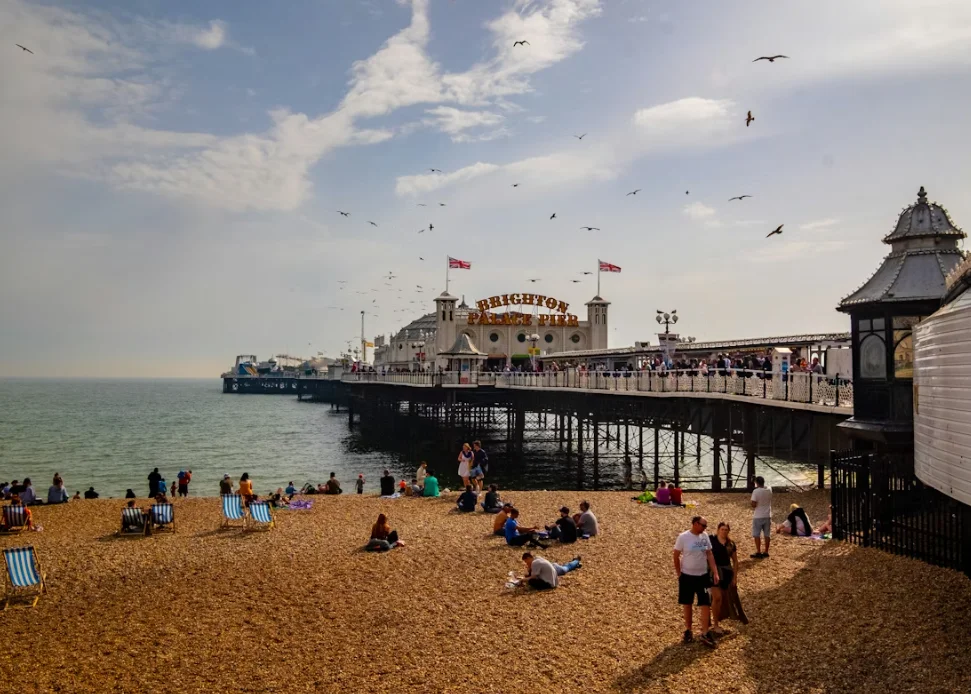
Brighton – The Classic Seaside Escape That Still Surprises
Brighton has a reputation for being an easy seaside escape, but that simplicity is only part of the story. The city feels different depending on how you approach it — and in spring or early summer, it reveals a calmer, more balanced side that many visitors miss.
What makes Brighton stand out is not just the beach or the pier, but the way everything connects. You can move from wide open sea views to narrow, character-filled streets within minutes, shifting from something bright and social to something more relaxed and local without even planning it.
The key to enjoying Brighton is timing. Early mornings along the seafront feel open and unhurried, with soft light and fewer people. By late morning, the energy starts to build, cafés fill up, and the city becomes more dynamic. In the evening, especially outside peak summer, Brighton settles again into a slower, more atmospheric rhythm.
What Makes Brighton Worth Visiting
- A rare mix of seaside atmosphere and creative city energy
- Walkable neighbourhoods with very different moods within short distances
- A strong independent café, food and boutique scene
- One of the most accessible coastal destinations in southern England
The Lanes are often mentioned in every guide, but they are still worth exploring — just not at the busiest times. These narrow streets are at their best when they feel slightly hidden, not overcrowded. Small shops, local cafés and unexpected corners give this part of Brighton a much more personal feel compared to the central promenade.
It’s also worth moving beyond the most obvious spots. Walking a little further along the coast quickly changes the atmosphere. The crowds thin out, the views open up, and the city feels less like a day-trip destination and more like a place you can actually settle into for a while.
What to See First
- The seafront early in the morning for quieter views and a more relaxed atmosphere
- The Lanes for independent shops and a more intimate side of the city
- The Royal Pavilion area for a completely different architectural style
- Less central coastal stretches for a slower, less crowded experience
Brighton is also one of those places where a short visit can feel surprisingly full — but only if you allow enough time. A rushed half-day trip often captures only the busiest version of the city. Staying longer, even just overnight, changes the experience completely and reveals a more balanced, less crowded side.
Best Time to Explore Brighton
- Late spring for fewer crowds and a more relaxed atmosphere
- Early summer for longer days and a livelier coastal vibe
- Morning for walks and photography along the seafront
- Evening for a calmer, more atmospheric city experience
One of Brighton’s biggest advantages is how easy it is to reach compared to many other coastal locations in the UK. This makes it ideal not only for longer stays but also for short, well-planned escapes that don’t require complex travel arrangements.
For travellers arriving in the south of England, especially via Gatwick, getting to Brighton can be straightforward and efficient. A direct Gatwick airport transfer allows you to move from arrival to the coast without unnecessary detours, making the overall journey feel much smoother.
Things to Keep in Mind
- The central seafront gets busy quickly on warm days, so timing matters
- Walking is the best way to explore the city beyond the main tourist areas
- An overnight stay gives a much better impression than a quick visit
- The atmosphere changes significantly throughout the day — plan accordingly
Brighton continues to work as a coastal destination not because it tries to impress, but because it offers variety. It can be lively or calm, social or quiet, familiar or slightly unexpected — depending on how you experience it. That flexibility is what makes it worth including, even if you think you already know it.

Cornwall – Where the UK Feels Wild and Unfiltered
Cornwall doesn’t feel like an extension of the rest of England. It feels like a destination of its own — more open, more raw, and noticeably slower. The landscapes are wider, the coastline more dramatic, and the pace of travel shifts almost immediately once you arrive.
This is not a place built around a single town or attraction. Cornwall works best as a collection of small moments — coastal walks, quiet beaches, winding roads and villages that feel slightly removed from the usual flow of tourism. In spring and early summer, that sense of space becomes one of its biggest advantages.
What makes Cornwall stand out is the scale of its coastline. Cliffs drop sharply into the ocean, paths stretch for miles without interruption, and even well-known spots can feel surprisingly quiet outside peak season. The experience here is less about ticking off locations and more about moving through the landscape at your own pace.
What Makes Cornwall Worth Visiting
- Dramatic coastal scenery with some of the most striking views in the UK
- A slower, more immersive travel experience compared to typical city breaks
- Small seaside villages that feel authentic rather than heavily commercialised
- Endless walking routes along cliffs, beaches and coastal paths
Places like St Ives, Newquay or Padstow are often the first names that come up, but the real appeal of Cornwall lies in how much exists between these points. Short drives reveal hidden coves, quiet stretches of coastline and viewpoints that don’t appear on most standard itineraries.
It’s also a destination where planning too tightly can actually limit the experience. Leaving space in your schedule — for a longer walk, an unexpected stop, or simply staying in one place longer than planned — often leads to a better overall trip.
What to Focus On During Your Visit
- Coastal walks that allow you to experience the landscape rather than just observe it
- Smaller villages and less obvious stops between the more popular towns
- Views from higher points along the cliffs, especially in changing light conditions
- Time spent in one area instead of trying to cover too much ground
Timing plays a slightly different role here compared to places like Brighton. In Cornwall, even midday can feel relatively calm outside peak summer weeks, but early mornings and late afternoons still offer the best conditions for exploring. The light changes quickly, and the coastline can look completely different within a few hours.
Best Time to Explore Cornwall
- Late spring for quieter conditions and more open space along the coast
- Early summer for longer days and more stable weather
- Morning for clear views and more comfortable walking conditions
- Late afternoon for softer light and more dramatic coastal scenery
One of the key differences with Cornwall is distance. Unlike closer coastal destinations, getting here requires more planning, which is exactly why the journey itself becomes part of the experience. Rushing through it often leads to unnecessary stress, while a more direct and considered route makes the entire trip feel smoother from the start.
For travellers arriving in the southwest or connecting from major hubs, using a direct Bristol airport taxi can simplify access to Cornwall significantly. It removes the need for multiple changes and allows you to transition straight from arrival into a more relaxed, uninterrupted journey toward the coast.
Things to Keep in Mind
- Distances between locations can be longer than expected, even within Cornwall
- Covering too many places in one trip often reduces the overall experience
- Weather can shift quickly, especially along exposed coastal paths
- Allowing flexibility in your schedule usually leads to better discoveries
Cornwall rewards a different type of travel mindset. It is less about seeing everything and more about experiencing enough of it properly. Once you adjust to that pace, it becomes one of the most memorable coastal regions in the UK.
Read more: Travel Tips: Airport and Transfer Preparation

Dorset Coast – Cliffs, Walks and Quiet Corners
The Dorset coast offers a different kind of coastal experience — one that feels structured, scenic and surprisingly calm at the same time. It doesn’t try to compete with the scale of Cornwall or the energy of Brighton. Instead, it focuses on something more balanced: accessible landscapes, well-defined routes and views that feel consistent throughout the journey.
Much of this coastline is part of the Jurassic Coast, a UNESCO World Heritage Site known for its cliffs, rock formations and long walking paths that follow the edge of the sea. But what makes Dorset particularly appealing is how easy it is to explore without needing to overplan every step.
You can spend hours walking between viewpoints, stopping along the way, and still feel like you’ve covered a meaningful part of the region without rushing. The pace here is steady — not slow, not overwhelming — which makes it ideal for travellers who want something more relaxed but still structured.
What Makes the Dorset Coast Worth Visiting
- Iconic natural landmarks like Durdle Door and Lulworth Cove
- Well-maintained coastal paths suitable for different walking levels
- A quieter atmosphere compared to more famous UK seaside locations
- A strong mix of nature, viewpoints and manageable travel distances
Some of the best experiences in Dorset come from simply following the coastline on foot. Routes between places like Lulworth Cove and Durdle Door are not only scenic but also practical, allowing you to connect key locations without relying too much on transport once you arrive.
Unlike busier destinations, Dorset rarely feels overwhelming. Even when certain landmarks attract more visitors, it’s usually possible to move just a little further along the path and find quieter stretches with equally impressive views.
What to See First
- Durdle Door for one of the most recognisable coastal views in the UK
- Lulworth Cove for its unique shape and easy walking access
- Cliff-top paths for panoramic views along the Jurassic Coast
- Less central walking routes where the landscape feels more open and quiet
Timing plays a key role here as well, but in a slightly different way. Early mornings are ideal if you want to experience the main landmarks with fewer people, while late afternoons tend to offer better light and a more relaxed atmosphere along the coast.
Best Time to Explore the Dorset Coast
- Late spring for comfortable walking conditions and fewer visitors
- Early summer for longer days and more consistent weather
- Morning for quieter access to popular viewpoints
- Late afternoon for softer light and a more relaxed pace
Dorset also benefits from relatively manageable distances compared to more remote coastal regions. This makes it easier to plan shorter trips without feeling like you are missing out on the overall experience.
For travellers arriving in London, accessing the Dorset coast can be more straightforward than it appears. Using a direct Heathrow airport taxi helps avoid unnecessary changes and makes it easier to move from arrival to the coastline without overcomplicating the journey.
Things to Keep in Mind
- Some walking routes include steep sections, so comfortable footwear is essential
- Popular landmarks can get busy during midday, especially on warm days
- Weather conditions can change quickly along exposed coastal paths
- Allow enough time for walking — this is where Dorset is at its best
The Dorset coast works because it offers clarity. You know what you’re getting — impressive views, well-defined routes and a steady rhythm that allows you to enjoy the landscape without pressure. It may not be the most dramatic coastline in the UK, but it is one of the most consistently rewarding.
Read more: Exploring Europe with Ease: The Advantages of Taxi Services
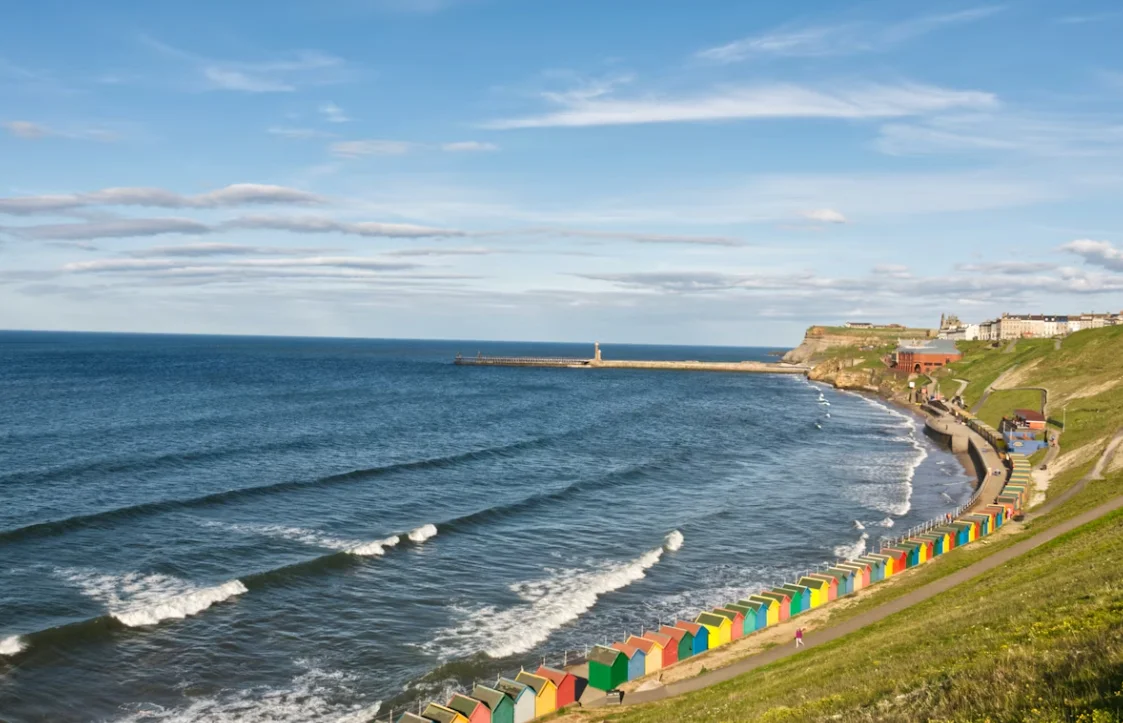
Whitby – A Northern Coastal Town with Character
Whitby feels different from the southern coast almost immediately. The atmosphere is quieter, the light slightly softer, and the overall pace noticeably slower. This is a place where the coastline is not just about views, but about history, mood and a strong sense of identity.
The town is best known for its abbey, dramatic clifftop setting and connections to literary history, but what makes Whitby truly stand out is how cohesive everything feels. The harbour, the old streets, the coastline and the surrounding landscape all come together naturally, without feeling staged or overly developed.
Walking through Whitby is less about covering distance and more about experiencing the layers of the place. The town reveals itself gradually — from the harbour area to the narrow streets, and then up toward the abbey, where the views open up across the coast.
What Makes Whitby Worth Visiting
- A strong historical and cultural identity that shapes the entire town
- Dramatic coastal views combined with a compact, walkable layout
- A quieter, less commercial atmosphere compared to southern destinations
- A unique blend of seaside scenery and heritage landmarks
One of Whitby’s defining features is the contrast between its lower and upper areas. The harbour and town centre feel active but never overwhelming, while the climb toward Whitby Abbey introduces a completely different perspective. From above, the coastline stretches out in a way that feels both open and slightly dramatic.
The famous 199 steps leading up to the abbey are part of the experience, but the real value is what you see once you reach the top. The view is not just about the sea — it’s about the relationship between the town, the harbour and the surrounding cliffs.
What to See First
- Whitby Harbour for a central view of the town and coastline
- The 199 Steps leading up to Whitby Abbey
- Whitby Abbey itself for elevated coastal views
- The old town streets for a more local and less polished atmosphere
Whitby also benefits from a more consistent pace throughout the day. Unlike busier coastal cities, it doesn’t shift as dramatically between quiet and crowded. However, early mornings and evenings still offer the best conditions if you want a more atmospheric and less interrupted experience.
Best Time to Explore Whitby
- Late spring for a quieter, more spacious experience
- Early summer for longer days without peak-season intensity
- Morning for calm harbour views and fewer visitors
- Evening for a more atmospheric and less crowded setting
Reaching Whitby requires a bit more planning compared to southern destinations, which is part of what keeps its atmosphere more preserved. The journey itself becomes part of the experience, especially as you move through the landscapes of northern England toward the coast.
For travellers arriving in the north, a direct Manchester airport taxi offers one of the more practical ways to reach Whitby without adding multiple connections. For those coming from closer regional hubs, options like a Leeds bradford airport taxi can also provide a more straightforward route into the area.
Things to Keep in Mind
- The town includes steep streets and steps, so comfortable footwear is important
- Weather can change quickly along the coast, especially at higher viewpoints
- Whitby is best explored on foot once you arrive
- The experience improves significantly if you allow enough time to explore both lower and upper parts of the town
Whitby stands out not because it tries to impress, but because it feels complete. The combination of coastline, history and atmosphere creates a place that stays consistent throughout the visit. It is less about highlights and more about the overall experience — and that is exactly what makes it memorable.
Read more: Airport Taxis is Now in Your Pocket: Convenient Transfers Wherever You Are
What Most Travel Guides Don’t Tell You About the UK Coast
Many travel guides focus on what to see, but far fewer explain how the UK coast actually feels to explore. The difference is important. Coastal travel here is less about ticking off locations and more about understanding timing, conditions and small details that can completely change your experience.
Some of the most common frustrations — crowds, weather, logistics — are not problems in themselves. They simply require a slightly different approach than you might expect. Knowing how to adjust makes the entire trip more enjoyable and far less stressful.
Timing Matters More Than Location
- Early mornings are often the best time for coastal walks and viewpoints
- Midday tends to bring the highest concentration of visitors, especially in popular spots
- Late afternoons and evenings usually offer a calmer and more atmospheric experience
- The same place can feel completely different depending on the time of day
Many coastal destinations in the UK are relatively compact, which means crowd patterns shift quickly. Arriving just a few hours earlier or later can significantly improve the experience without changing your itinerary at all.
The Weather Is Part of the Experience
- Conditions can change quickly, especially along exposed coastal paths
- Light cloud cover often improves views rather than diminishing them
- Clear mornings and shifting afternoon light create very different coastal scenes
- Wind can have a bigger impact than temperature when walking near the sea
Expecting perfectly stable weather often leads to disappointment. Instead, the variety of conditions is what gives the UK coast its character. Dramatic skies, changing light and moving tides are all part of what makes the landscape feel dynamic rather than static.
Distances Can Be Misleading
- Short distances on the map can take longer due to road types and terrain
- Coastal routes are often slower but significantly more scenic
- Trying to visit too many locations in one day reduces the overall experience
- Focusing on fewer places usually leads to a better trip
This is particularly noticeable in regions like Cornwall, where winding roads and frequent stops naturally slow down travel. Planning with realistic expectations helps avoid unnecessary pressure and allows more time to enjoy each location properly.
Walking Is Often Better Than Driving
- Many of the best coastal views are only accessible on foot
- Parking near popular landmarks can be limited during busy periods
- Short walking routes often connect key locations more efficiently than driving
- Exploring on foot reveals quieter areas that are easy to miss otherwise
Once you arrive at your destination, walking usually becomes the most effective way to explore. It also allows you to experience the coastline at a more natural pace, rather than moving quickly between fixed points.
Small Adjustments Make a Big Difference
- Arriving slightly earlier or staying a bit later changes the atmosphere completely
- Choosing one area to explore in depth is often better than covering multiple locations
- Allowing flexibility in your plan leads to better discoveries
- Understanding the rhythm of each place improves the overall experience
The UK coast rewards a more flexible approach. Instead of trying to control every part of the journey, it works better when you allow space for small changes — whether that’s staying longer in one place or adjusting your plans based on conditions.
Getting There Without Overcomplicating Your Trip
Reaching the UK coast is often easier than it first appears, but the way you plan the journey can make a significant difference to how the trip actually feels. Many coastal destinations are well connected, yet not all routes are equally convenient, especially when time, luggage or multiple connections are involved.
The key is not just choosing how to get there, but understanding which option fits your itinerary. In some cases, public transport works perfectly well. In others, it can quickly turn a simple trip into a longer and more fragmented experience.
When Public Transport Works Well
- Direct train routes between major cities and coastal destinations
- Short distances where connections are limited or straightforward
- Travelling light, without large luggage or tight schedules
- Flexible itineraries where timing is not critical
For places like Brighton, train connections can be fast and efficient, especially when everything aligns. However, this usually depends on timing, availability and how comfortable you are navigating busy stations.
When Travel Becomes Less Convenient
- Multiple changes between trains or buses
- Arrivals late in the evening or during off-peak hours
- Travelling with luggage or in a group
- Destinations that require additional local transport after arrival
In these situations, what looks simple on a map can become more time-consuming in practice. Waiting times, platform changes and indirect routes often add more complexity than expected, especially after a long journey.
A More Direct Approach
For travellers who prefer a smoother and more predictable journey, choosing a direct route from the airport to the final destination can make a noticeable difference. Instead of breaking the trip into several stages, everything becomes more continuous and easier to manage.
This is where options like a private airport transfer UK can be particularly useful. Rather than navigating connections, you move directly from arrival to your destination, which often saves time and reduces unnecessary stress along the way.
Choosing the Right Option for Your Trip
- Use trains for simple, well-connected routes and light travel
- Consider direct transfers for longer distances or more remote destinations
- Think about timing — late arrivals often limit public transport options
- Prioritise comfort and simplicity if you want a more relaxed start to your trip
Ultimately, the best choice depends on how you want your journey to feel. Some travellers prefer flexibility and don’t mind multiple steps. Others value a more direct and uninterrupted route. Knowing the difference helps you plan more realistically and enjoy the experience from the very beginning.
Practical Tips for a Better Coastal Experience
Exploring the UK coast becomes significantly more enjoyable when you understand a few practical details in advance. These are not complicated rules, but small adjustments that can completely change how your trip feels day to day.
Plan Around the Time of Day
- Start early if you want quieter views and easier access to popular spots
- Midday is usually the busiest period, especially in well-known locations
- Evenings often offer a more relaxed and atmospheric experience
- Light conditions change quickly, especially along the coast
Even a simple shift in timing can make a familiar place feel completely different. Coastal destinations are particularly sensitive to this, as both light and crowd levels vary throughout the day.
Dress for Changing Conditions
- Layered clothing works best, even on warmer days
- Wind near the coast can feel much stronger than inland
- Comfortable shoes are essential for walking routes and uneven paths
- A light waterproof layer is useful, even if rain is not expected
The UK coast rarely offers completely stable conditions, but that is part of its appeal. Being prepared means you can continue exploring without needing to adjust your plans too much.
Don’t Try to See Everything
- Focusing on one area leads to a more relaxed and enjoyable experience
- Trying to visit multiple locations in one day often feels rushed
- Allow time for unplanned stops along the way
- Some of the best moments come from slowing down rather than moving on
This is especially relevant in regions like Cornwall or Dorset, where the journey between places is often just as rewarding as the destination itself.
Stay Overnight If You Can
- Even one night changes how you experience a coastal destination
- Early mornings and evenings are often the most memorable times
- Day trips tend to capture only the busiest part of the day
- Staying longer allows you to explore beyond the main highlights
Many UK coastal towns reveal their best side outside peak daytime hours. If your schedule allows it, an overnight stay often makes the trip feel more complete.
Keep Your Itinerary Flexible
- Weather changes can improve or shift your plans in unexpected ways
- Having extra time allows you to adjust your route naturally
- Not every location needs to be planned in advance
- Flexibility often leads to better discoveries than strict schedules
Coastal travel in the UK works best when you allow for small adjustments along the way. A flexible approach helps you adapt to conditions and enjoy each place more fully.
Frequently Asked Questions
Is spring a good time to explore the UK coast?
Yes, late spring is one of the best times to visit the UK coast. The weather is generally milder, the days are longer, and most destinations are not yet as crowded as in peak summer. This makes it easier to explore popular spots while still enjoying a more relaxed atmosphere.
Which coastal destination is easiest to reach from London airports?
Brighton is one of the easiest coastal destinations to reach from London, especially from Gatwick Airport. The journey is relatively short and straightforward, making it ideal for both short trips and longer stays without complex travel planning.
Are these coastal destinations better for a day trip or a longer stay?
While some places like Brighton can work as a day trip, most coastal destinations are better experienced with at least one overnight stay. This allows you to explore beyond peak hours and enjoy a quieter, more complete version of each location.
What is the weather like on the UK coast in spring and early summer?
Conditions can vary throughout the day. Mornings are often clear and calm, while afternoons may bring changing light, wind or cloud cover. Temperatures are usually comfortable, but it’s important to be prepared for quick changes, especially near the sea.
What is the easiest way to travel from the airport to coastal destinations?
The best option depends on the location and your travel preferences. Direct train routes work well for some destinations, but for more flexibility and comfort, especially with luggage or longer distances, options like a private airport transfer can make the journey simpler and more efficient.