 Sep 18, 2025 at 1:10 PM
Autumn in Bavaria is a season when the region transforms into a canvas of golden forests, crisp air, and a festive atmosphere that attracts visitors from around the world. From the foothills of the Alps to the medieval towns, the landscape is infused with a warm glow that perfectly complements the charm of traditional fairs. These gatherings are not only about markets and stalls, but also about centuries-old traditions, regional food, and the joy of community life. They bring locals and travelers together in celebration of the harvest season, creating an authentic experience that goes far beyond sightseeing.
For many international travelers, the journey into this autumn magic begins in Munich, Bavaria’s bustling capital and cultural hub. Munich Airport welcomes millions of visitors every year, and for those eager to reach their destinations quickly and comfortably, relying on Munich airport taxi services has become a convenient choice. Whether heading straight to the city’s famous Auer Dult fair or venturing further into the Bavarian countryside, Munich serves as the gateway to an entire season of tradition and celebration. This makes the city not only a transportation hub, but also the perfect introduction to Bavarian culture in its most colorful season.
History and Traditions of Bavarian Fairs
The history of Bavarian fairs stretches back to the Middle Ages, when trade, religion, and social life were closely intertwined. At that time, fairs were not only marketplaces but also vital meeting points for communities scattered across the Bavarian countryside. Farmers would bring their harvest, craftsmen would showcase their work, and townsfolk would gather to buy, sell, and exchange not only goods but also news and stories. These gatherings created an early form of cultural exchange, long before tourism became a structured concept. They were vibrant events where daily life and festive celebration merged into one, giving people a chance to step away from routine and immerse themselves in a communal atmosphere.
Originally, fairs were often tied to the calendar of the Church. Important feast days, particularly the dedication of local churches, provided the backdrop for these events. In many towns across Bavaria, the word “Kirchweih” (church consecration fair) still reflects this origin. The fairs began as religious celebrations but soon grew into much larger happenings, adding entertainment, food, and the selling of goods to the core festivities. Over the centuries, the fairs preserved this dual identity: both sacred and secular, spiritual and joyful, solemn yet celebratory. Even today, walking through the streets of a Bavarian town during a fair, one can feel that deep connection to tradition that has survived through time.
As centuries passed, the fairs developed into more organized marketplaces. Medieval town councils began granting rights to hold fairs at specific times of the year, often during the autumn harvest season. This was no coincidence: autumn provided an abundance of agricultural products, from freshly harvested grains to fruits, vegetables, and preserved meats. Farmers and producers could sell their goods, while townsfolk had the chance to stock up for the colder months ahead. The fairs thus became an essential element of local economy, ensuring survival and prosperity during the long Bavarian winters. To this day, many stalls at autumn fairs retain the same character, offering homemade sausages, cheeses, bread, and sweets that reflect centuries-old culinary traditions.
Another important tradition tied to Bavarian fairs is the role of crafts and artisans. In earlier centuries, fairs were often the only opportunity for villagers to access products such as pottery, tools, fabrics, or furniture. Skilled craftsmen traveled from town to town, using fairs as their stage to display expertise and attract clients. This element of craftsmanship remains alive today, albeit in a more symbolic form. At modern fairs, visitors still find stalls offering handmade goods, from wooden toys to traditional clothing and decorative ornaments. These objects are more than souvenirs; they are a living continuation of Bavarian heritage, carrying techniques and styles that have been handed down through generations.
The fairs also developed as centers of social interaction and cultural performance. Folk music, dance, and theater began to play an increasingly prominent role. Local musicians brought life to the markets with instruments such as accordions, zithers, and brass bands, while dance groups in traditional costumes performed on makeshift stages. These performances were not only entertainment but also a way of affirming community identity. Wearing traditional attire, such as the dirndl and lederhosen, was—and still is—a proud expression of Bavarian culture. In autumn, when the harvest was safely stored and the hard work of the summer was behind them, communities could afford to celebrate. That spirit of release and joy remains at the heart of every fair.
It is impossible to talk about Bavarian fairs without mentioning food and drink, which have always been integral to these gatherings. Historically, fairs provided a chance to enjoy foods that were otherwise rare or seasonal: roasted meats, freshly baked pastries, warm spiced drinks, and, of course, beer brewed according to local traditions. Many autumn fairs in Bavaria became closely linked to the beer culture that the region is famous for today. Breweries would set up stands or small beer gardens, serving their seasonal specialties to visitors. Sharing food and drink created a sense of camaraderie, transforming fairs into places not only of commerce but also of fellowship. This is one of the reasons why the convivial spirit of Bavarian fairs has endured so strongly through the centuries.
Traditions also evolved with the seasons. In autumn, fairs often carried a special significance as they were tied to the end of the agricultural cycle. The harvest was both a relief and a cause for celebration: the community had survived another year and secured provisions for the winter. That feeling of gratitude found expression in fairs, where processions, parades, and sometimes even religious ceremonies marked the occasion. To this day, visitors can see echoes of these harvest festivals in the decorative wreaths, sheaves of grain, and floral arrangements that adorn fairgrounds. The presence of pumpkins, apples, and chestnuts is not just culinary but symbolic, reminding everyone of the deep bond between people and the land in Bavaria.
Modern fairs in Bavaria still carry this heritage, even as they have adapted to contemporary expectations. Today, visitors may encounter amusement rides, light displays, or international food stalls alongside the traditional elements. Yet at their core, Bavarian fairs remain rooted in the same principles that shaped them centuries ago: community, celebration, and cultural continuity. They are moments when daily life is suspended, and people—locals and tourists alike—can step into an atmosphere where history breathes through music, costumes, food, and storytelling. In this way, Bavarian fairs bridge past and present, reminding us that while lifestyles may change, the need for shared celebration is timeless.
Top-5 Autumn Fairs in Bavaria
Every region of Bavaria celebrates autumn in its own way, but a few fairs stand out for their history, atmosphere, and cultural richness. These events not only bring locals together but also welcome visitors from around the world who want to immerse themselves in authentic Bavarian traditions. Below are five of the most iconic autumn fairs that capture the very essence of the season.
Auer Dult in Munich
Among the most celebrated fairs in Munich, the Auer Dult has been taking place since the 14th century. Today, it is held three times a year, with the autumn edition drawing large crowds. The fair is a lively mix of trade and festivity: antiques, porcelain, and handmade household items fill the stalls, while traditional Bavarian food tempts visitors at every corner. Families enjoy carousels and amusement rides, while collectors search for rare finds. The atmosphere is both bustling and cozy, offering a glimpse into Munich’s cultural heartbeat during autumn. For anyone beginning their journey from the Bavarian capital, the Auer Dult is a perfect way to step straight into centuries-old traditions.
Kirta in Eichstätt
The “Kirta” festival, short for Kirchweih, celebrates the consecration of the church and is deeply rooted in Bavarian religious and cultural life. In Eichstätt, this tradition takes on a particularly vibrant form every autumn. Locals dress in traditional costumes, brass bands fill the air with joyful sounds, and parades animate the streets. Market stalls offer seasonal food, sweets, and handcrafted goods, while the festive spirit connects past and present. For many families, Kirta is not just an event—it is a cherished tradition passed down through generations, making it one of Bavaria’s most authentic autumn celebrations.
Nuremberg Herbstmarkt
Nuremberg is famous for its Christmas market, but its autumn fair, known as the Herbstmarkt, has an equally rich history. Held in the city’s historic old town, the market creates a unique blend of medieval charm and seasonal festivity. Visitors stroll through rows of wooden stalls selling regional specialties, clothing, and crafts. The scent of roasted nuts and spiced pastries drifts through the air, while street performers entertain the crowds. With Nuremberg’s impressive medieval architecture as the backdrop, the Herbstmarkt is a cultural experience that brings together trade, tradition, and a festive atmosphere unlike anywhere else in Germany.
Augsburg Autumn Fair
Augsburg’s autumn fair is a perfect example of how tradition and modernity coexist in Bavaria. While the market retains its historic character with stalls offering food, crafts, and agricultural products, it also embraces modern elements such as exhibitions, concerts, and entertainment for children. The fairgrounds are filled with families enjoying amusement rides and live music, making it a popular destination not only for locals but also for visitors from across the region. The combination of old and new reflects Augsburg’s own identity as a city that values its past while welcoming contemporary influences.
Kirchweihdult in Freising
Located just north of Munich, Freising is a town with deep historical and cultural significance. Its Kirchweihdult fair is one of the highlights of the autumn season. Here, the traditional Bavarian spirit shines in every detail: stalls overflowing with local delicacies, beer tents filled with laughter and music, and craftsmen proudly presenting their handmade wares. Visitors can enjoy hearty dishes such as roast pork and pretzels while listening to folk bands in authentic settings. The fair is smaller and more intimate compared to Munich’s grand events, but precisely this charm makes it an unforgettable experience for those seeking a genuine Bavarian celebration.
Atmosphere of the Festival
What makes Bavarian autumn fairs truly unforgettable is not only their history or the list of attractions, but the unique atmosphere that envelops every visitor. The moment you step into a fairground, you are greeted by a mix of scents, sounds, and colors that together create a world of celebration. The air carries the aroma of freshly baked pretzels, roasted chestnuts, and sausages sizzling on open grills, blending with the sweet fragrance of candied almonds and warm spiced wine. This sensory combination immediately places you in the heart of Bavarian tradition, where food and festivity are inseparable.
Music is at the center of the experience. Traditional brass bands in full costume play lively marches and folk tunes, their sounds echoing through the narrow streets of old towns and across the wide fairgrounds. At times, visitors may encounter smaller groups of musicians strolling among the crowds, creating spontaneous concerts that make every corner feel alive. The melodies are often accompanied by the rhythmic clapping of hands or the stomping of feet, as locals join in to celebrate. For many, this music is not mere entertainment; it is the living heartbeat of Bavaria, an audible connection to centuries of culture.
Costumes play another vital role in shaping the atmosphere. Many locals proudly wear traditional outfits—lederhosen for men and dirndls for women—adorned with intricate embroidery and bright colors. These garments are not reserved for tourists or special occasions; they are genuine expressions of Bavarian identity. Walking through a fair, you see families dressed in matching ensembles, groups of friends laughing together in full traditional attire, and even children wearing miniature versions of the iconic clothing. The sight reinforces a sense of continuity and belonging, showing how traditions remain relevant and vibrant in everyday life.
The fairs are also deeply social spaces. They bring together people of all ages and backgrounds, from local farmers selling their harvest to city dwellers looking for a festive escape. Long wooden tables set up in beer tents invite strangers to sit side by side, share food and drink, and exchange stories. The communal spirit is tangible: it is not unusual for visitors to strike up conversations with those sitting next to them, leading to moments of unexpected connection. This sense of togetherness, rooted in both hospitality and shared celebration, is one of the most cherished aspects of Bavarian fairs.
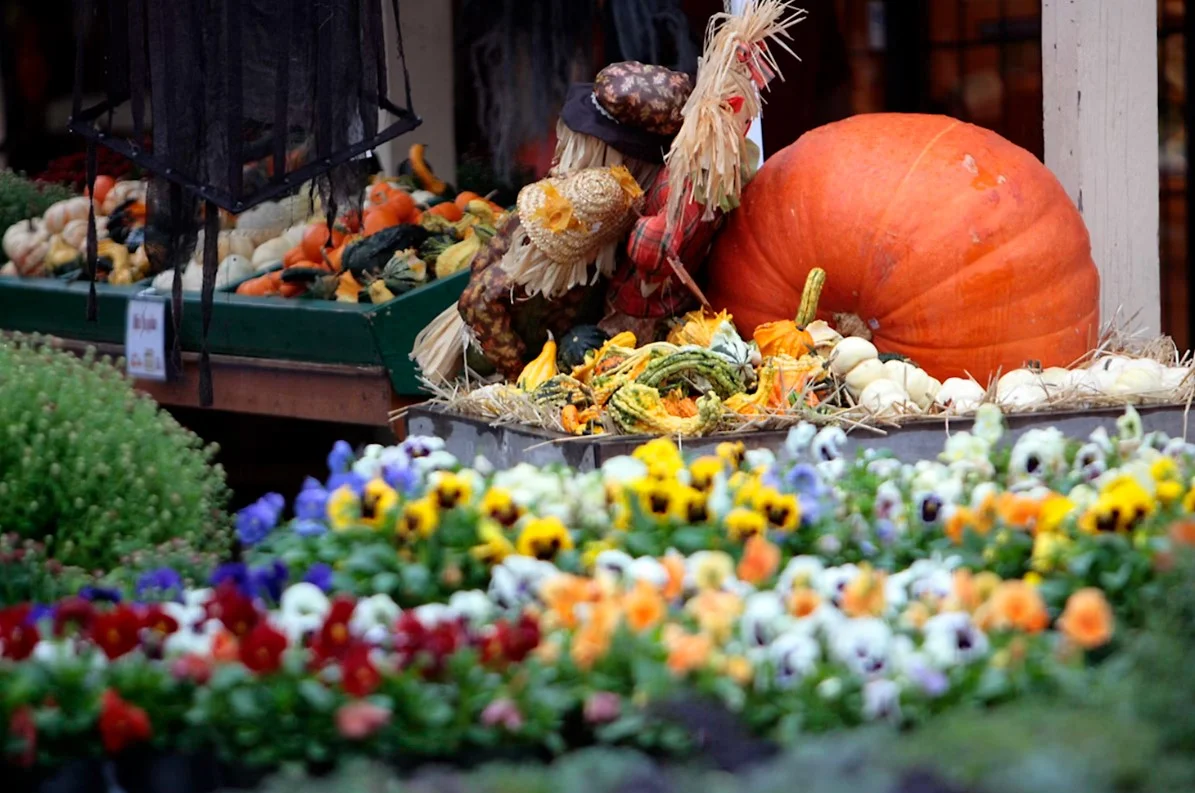
Visual impressions are just as important. Fairgrounds are often decorated with colorful garlands, lights, and seasonal symbols such as pumpkins, wreaths made of grain, and flowers in shades of orange and red. In the evenings, as the sun sets behind the Bavarian hills, the glow of lanterns and strings of lights transforms the entire space into a fairytale setting. Children run from one carousel to another, their laughter blending with the sounds of music and chatter, while couples stroll hand in hand through the illuminated market lanes. The overall impression is one of warmth, familiarity, and joy—a celebration of community and nature’s abundance.
Entertainment goes beyond the market stalls. Many fairs host parades featuring horse-drawn wagons, traditional guilds, and groups of dancers. Folk dances performed in the town squares captivate audiences with their energy, as dancers in traditional attire whirl and stomp in perfect rhythm. Puppet shows and small theatrical performances entertain children, while competitions such as woodcutting or traditional games highlight Bavaria’s rural roots. These activities provide a deeper understanding of the culture, offering more than just a visual experience—they invite participation and engagement.
The culinary atmosphere deserves special mention. Food stalls are not simply places to buy snacks; they are extensions of Bavarian hospitality. Vendors take pride in offering homemade recipes, sometimes passed down through generations. Ordering a plate of sausages or a slice of apple strudel often comes with a friendly smile and a few words exchanged, creating a personal connection between visitor and host. Sharing food in this way emphasizes the communal nature of the fairs, turning a simple meal into a memorable encounter. The act of eating becomes part of the celebration itself, reinforcing the role of fairs as spaces where everyday life is elevated into festivity.
Another layer of atmosphere is provided by the rhythm of the seasons. Autumn in Bavaria is crisp and colorful, and the fairs reflect this natural beauty. The surrounding landscapes—rolling hills, forests, and vineyards—frame the celebrations, reminding visitors of the deep link between human activity and the cycles of nature. Decorations often use natural materials like straw, wood, and flowers, creating harmony between the fairgrounds and their environment. This connection to the land is not accidental; it highlights the agricultural roots of the fairs and celebrates the harvest that sustains the community through the winter months.
Ultimately, the atmosphere of Bavarian autumn fairs is one of authenticity and warmth. It is not about grand spectacle or artificial displays, but about traditions lived and shared in the present. Every sound, scent, and sight is part of a larger mosaic that brings people together in joy and gratitude. Visitors leave not only with souvenirs or photographs but with a sense of having touched something enduring and real—the living culture of Bavaria. This intangible yet powerful experience is what continues to draw people back to the fairs year after year, ensuring that their spirit remains as vibrant as ever.
Autumn Flavors: Food and Drinks
No Bavarian fair would be complete without the rich aromas and flavors that define the region’s cuisine. Food and drink are at the very heart of these celebrations, transforming them from simple markets into immersive cultural experiences. In autumn especially, the culinary offerings reflect the season of abundance, with dishes that are hearty, warming, and deeply connected to the traditions of the land. For many visitors, tasting these foods is just as important as exploring the stalls or enjoying the music.
One of the most iconic autumn flavors in Bavaria is roasted chestnuts. Vendors prepare them in large iron pans, and the scent of the toasting shells drifts through the fairgrounds, drawing people in. Holding a small paper bag filled with steaming chestnuts is a ritual in itself, warming cold hands on crisp autumn days. This simple food carries strong seasonal symbolism, reminding visitors of the harvest and the rhythm of the natural year. Equally symbolic are apples, which appear in many forms: candied, baked in strudels, or transformed into warm cider that perfectly complements the festive atmosphere.
Savory dishes take center stage at most fairs, offering travelers a true taste of Bavarian hospitality. Sausages, of course, are ever-present, ranging from the famous Weisswurst to heartier varieties grilled over open flames. Each region boasts its own specialties, and fairs are the perfect place to sample them side by side. Roast pork, served with crispy crackling and potato dumplings, is another staple, often enjoyed in the communal beer tents where long wooden tables encourage sharing and conversation. Sauerkraut, red cabbage, and rich gravies complete the meals, adding flavors that balance tradition with comfort.
For those with a sweet tooth, Bavarian fairs are a paradise. Pretzels dusted with sugar, gingerbread hearts decorated with colorful icing, and fluffy yeast cakes can be found at nearly every stall. One of the highlights of autumn is the apple strudel, a dish so deeply associated with Central Europe that no visit feels complete without it. Served warm, often with a dusting of powdered sugar or a dollop of cream, it embodies the comfort of home cooking while carrying the festive energy of the fair. Another seasonal favorite is plum cake, baked with buttery dough and topped with ripe fruit from the late summer harvest.
Drinks are just as essential to the fair experience as food. Beer, brewed according to the centuries-old Bavarian purity law, flows freely at many fairs. Autumn brings special seasonal brews—darker, richer, and more aromatic—that match the cooler weather and hearty dishes. Beer tents become centers of social life, where live bands play and guests raise their mugs in unison, celebrating not only the festival but also the camaraderie that defines Bavarian culture. Even for visitors who are not regular beer drinkers, the atmosphere inside these tents is an unforgettable experience.
Wine also plays an important role, especially in regions of Bavaria with vineyards. In Franconia, for example, local white wines such as Silvaner are celebrated during autumn fairs. Visitors can taste young, fresh wines from the new harvest, often paired with simple dishes like onion tarts or cheese platters. The combination reflects the agricultural roots of the fairs, connecting food and drink directly to the land and its seasonal cycles. Warm spiced wine, similar to mulled wine but lighter, is another autumn specialty, offering comfort against chilly evenings and adding to the sense of seasonal festivity.
Beyond the individual dishes and drinks, what makes the culinary side of Bavarian fairs so special is the atmosphere of sharing. Meals are rarely eaten alone; instead, they are enjoyed in groups, surrounded by laughter and music. Vendors often prepare food right in front of customers, adding to the sensory appeal and creating a bond between producer and guest. Visitors are encouraged to try small portions from multiple stalls, turning a trip through the fair into a gastronomic journey. This tradition of sampling a little bit of everything reflects the communal spirit of the fairs, where variety and abundance are celebrated as much as taste itself.
Equally important is the way these foods and drinks tell stories about Bavarian history and identity. Every sausage recipe, every loaf of bread, and every sip of beer or wine carries with it a link to generations past. The fairs preserve these culinary traditions by making them part of living culture rather than museum pieces. They also adapt, incorporating modern variations without losing their essence. Visitors may now find vegetarian or international options alongside the classics, showing how Bavarian fairs embrace change while honoring tradition.
In the end, the flavors of Bavarian autumn fairs go far beyond satisfying hunger or thirst. They create lasting memories, tied to the atmosphere of bustling stalls, joyful music, and the crisp autumn air. A roasted chestnut eaten under lantern light, a slice of strudel shared at a wooden table, a mug of seasonal beer raised in a toast—these are moments that stay with travelers long after they leave. Food and drink are not simply accompaniments to the fairs; they are the very essence of the celebration, embodying the generosity, warmth, and heritage of Bavaria in its most festive season.
Travel Tips and Conclusion
Visiting Bavaria during autumn is an experience unlike any other. The fairs are not only about entertainment and shopping but also about immersing yourself in a cultural tradition that has been cherished for centuries. To make the most of your journey, it is worth keeping in mind a few practical tips that will help you navigate the fairs with ease and truly enjoy the festive season.
Plan your visit around the calendar of events. While some fairs, like Munich’s Auer Dult, take place multiple times a year, others are tied to specific weekends or religious festivals. Checking dates in advance is crucial, especially if you are planning your trip around a particular event. Many fairs attract large crowds, so arriving early in the day not only ensures easier access but also allows you to experience the markets before they become too crowded. For travelers who enjoy photography, the morning hours also provide the best natural light to capture the colors and atmosphere.
Be prepared for autumn weather. Bavaria in autumn is beautiful but can be unpredictable. Days may start crisp and cool, warm up by the afternoon, and become chilly again after sunset. Dressing in layers is the best approach, allowing you to adapt comfortably throughout the day. Comfortable shoes are essential, as most fairs involve walking on cobblestone streets or standing for long periods. A light raincoat or umbrella is also advisable, since autumn showers are not uncommon.
Embrace the local traditions. Fairs are an opportunity to engage with Bavarian culture in a way that goes beyond passive observation. Consider renting or purchasing traditional attire—lederhosen or a dirndl—if you wish to fully immerse yourself in the atmosphere. Joining in the singing, dancing, or even just raising a glass with locals creates memories that are far richer than simply browsing the stalls. Many Bavarians take pride in sharing their traditions with visitors, and a little enthusiasm goes a long way toward building connections.
Try the seasonal food and drinks. While it may be tempting to stick to familiar dishes, part of the magic of Bavarian fairs lies in discovering local specialties. Roasted chestnuts, onion tarts, pumpkin soups, and hearty roasts are dishes tied specifically to the autumn season. Pairing them with regional beers or fresh Franconian wines enhances the experience. For non-alcoholic options, warm apple cider or herbal teas offer comfort against the crisp air. Sampling these foods is not only a culinary pleasure but also a way to understand the agricultural roots of the festivals.
Bring cash and small change. While many stalls are adapting to card payments, smaller vendors often prefer cash. Having coins and smaller notes on hand will make transactions quicker and easier. Prices at fairs are usually reasonable, but with so many tempting treats and handcrafted goods, it is easy to spend more than expected. Setting a budget beforehand helps to keep track while still allowing for spontaneous purchases.
Consider transportation and logistics. Bavaria is well connected by trains, buses, and regional transport, making it possible to reach many fairs without difficulty. However, some smaller towns may require additional planning. If you are traveling in a group or visiting multiple fairs in one trip, renting a car could offer flexibility. Parking near fairgrounds can be limited, so using park-and-ride options or arriving early can save time and stress. For those flying into the region, starting your journey in Munich provides the widest range of travel connections to other Bavarian destinations.
Travel responsibly and respectfully. Fairs are community events that hold deep meaning for locals. Showing respect for traditions, whether through mindful behavior in churches, polite interaction with vendors, or appreciation for performances, ensures a positive experience for everyone. Sustainable travel practices, such as using public transportation when possible or minimizing waste, contribute to preserving the beauty of the region for future generations.
In conclusion, Bavarian autumn fairs are more than seasonal gatherings—they are living traditions that embody the spirit of the region. They offer a unique combination of history, culture, food, music, and community that cannot be replicated elsewhere. Whether you are wandering through the bustling stalls of Munich’s Auer Dult, joining the colorful processions in Eichstätt, savoring roasted chestnuts in Nuremberg, or raising a glass of Franconian wine in a small town square, each moment is infused with authenticity and joy. The fairs celebrate not only the harvest but also the resilience and warmth of Bavarian life.
For travelers, attending these fairs is an invitation to slow down, savor the season, and connect with people and traditions that have stood the test of time. It is a chance to experience Bavaria not as a visitor passing through, but as a participant in a centuries-old rhythm of celebration. As the autumn leaves fall and the nights grow longer, the fairs provide light, music, and fellowship—a reminder that in every season, there is something to be grateful for. This spirit of gratitude and togetherness is what makes the Bavarian autumn fair tradition so enduring, and why it continues to enchant visitors year after year.