France is not just one destination, but a patchwork of regions, landscapes, and local cultures. From Atlantic ports and northern brick cities to sun-washed Mediterranean bays and quiet wine villages, each corner of the country offers a different way to travel, eat, and slow down.
This guide gathers sixteen towns and cities that many travellers return to again and again. It is not a ranking, but a curated overview of places that show how diverse France can be, whether you are planning a first French itinerary or adding new stops to a road trip you already love.
A Journey Across Regions and Atmospheres
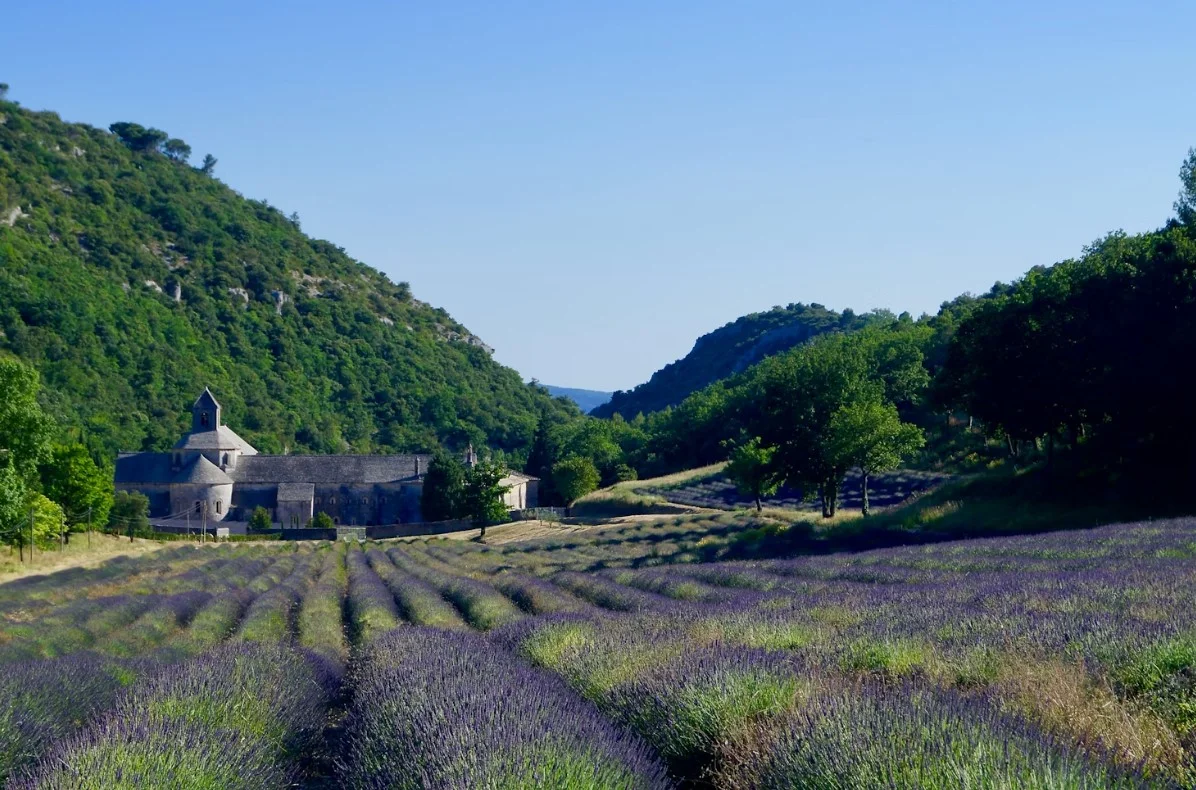
Travelling through France is often about contrast. One day you might wander through half-timbered streets in Champagne or Alsace, the next you are standing on a windy Atlantic harbour, or stepping into a shaded square in Provence that smells of lavender and coffee. Distances between regions are manageable, yet the change in food, language rhythm, and architecture can feel striking.
In this article you will move between major hubs like Paris and Lyon and smaller, slower places such as Saint-Rémy-de-Provence or Saint-Jean-de-Luz. Together, they form a realistic shortlist for a multi-stop itinerary by train, rental car, or a series of focused weekend breaks. Each destination section highlights what defines the place, what to look out for, and which types of travellers are likely to feel at home there.
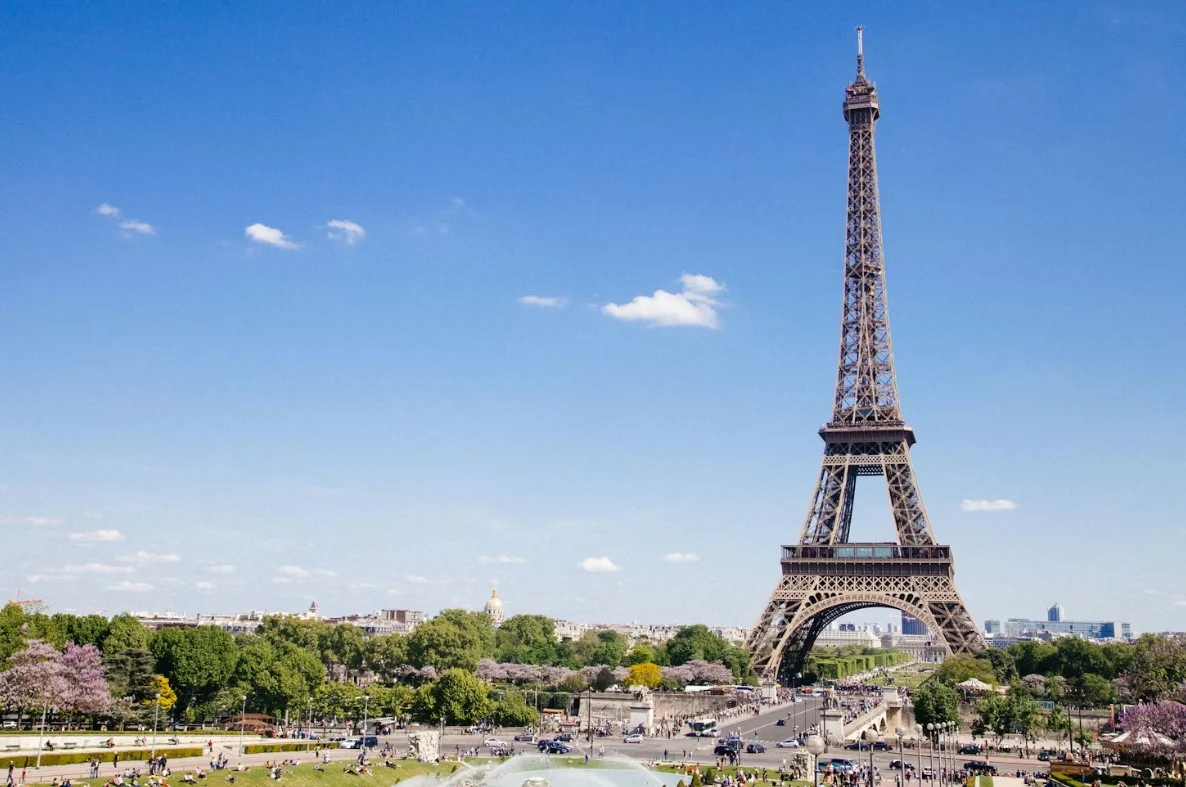
We begin our journey with the undeniable jewel of France — Paris. A city that needs no introduction, yet constantly reinvents itself with every visit. Paris is a layered metropolis: elegant boulevards, intimate side streets, vast museums, hidden courtyards, and riverside promenades that change character throughout the day. It is a place where history, culture, style, and daily life blend seamlessly, offering a different rhythm and emotion in every neighbourhood.
Beyond the world-famous landmarks, Paris thrives as a collection of “villages” — Montmartre’s artistic hills, the Latin Quarter’s intellectual buzz, the refined calm of Saint-Germain-des-Prés, and the waterways of Canal Saint-Martin where modern Parisian life beats most vividly. This mixture of grandeur and intimacy is what defines the city’s identity and keeps travellers returning again and again.
Key Attractions:
Eiffel Tower: The iconic symbol of France, offering panoramic views from its upper decks and unforgettable evening illuminations.
Louvre Museum: Home to the Mona Lisa, ancient civilizations, and one of the most important art collections in the world.
Cathédrale Notre-Dame de Paris: A masterpiece of Gothic architecture, standing proudly on Île de la Cité.
Montmartre & Sacré-Cœur: The artistic hilltop district known for its basilica, terraces, and sweeping city views.
Champs-Élysées & Arc de Triomphe: A grand avenue leading to the monumental arch overlooking central Paris.
Musée d’Orsay: A former railway station transformed into a treasure of Impressionist and Post-Impressionist art.
Seine River: Bookstalls, bridges, cruises, sunset walks, and the atmospheric quays that define Parisian life.
Le Marais: A lively historic district full of boutiques, galleries, cafés, and medieval lanes.
Latin Quarter: Narrow streets, bookshops, student cafés, and the centuries-old Sorbonne.
Palais Garnier: The legendary opera house known for its ornate interiors.
Luxembourg Gardens: A serene green escape loved by locals for relaxing afternoons.
Canal Saint-Martin: Iron footbridges, waterside cafés, street art, and a distinctly modern Parisian atmosphere.
Many travellers begin their visit by arriving through charles de gaulle airport to paris, one of the main international gateways to the city. From there, Paris opens up gradually: mornings often begin with the aroma of fresh pastries drifting from a bakery, followed by a stroll through elegant boulevards or quiet residential streets. Midday invites you into a museum, a riverside bench, or a lively market hall filled with local produce and regional flavours.
As evening approaches, the city transforms: cafés fill with conversation, terraces glow with warm light, and the Seine reflects the colours of sunset. Whether you choose a refined dinner in Saint-Germain, a lively bistro in Oberkampf, or a peaceful walk along the riverbanks, Paris offers endless micro-moments that define its charm. This is a city meant to be absorbed slowly, one experience at a time.
Why You Should Visit
Paris offers an unmatched blend of art, history, architecture, food, fashion, and culture.
It is home to some of the world’s most influential museums, monuments, and artistic legacies.
Every neighbourhood feels like a different world — allowing countless unique itineraries.
The city is walkable, romantic, endlessly photogenic, and rich in experiences for every type of traveller.
No matter how many times you return, Paris always shows a new side of itself.
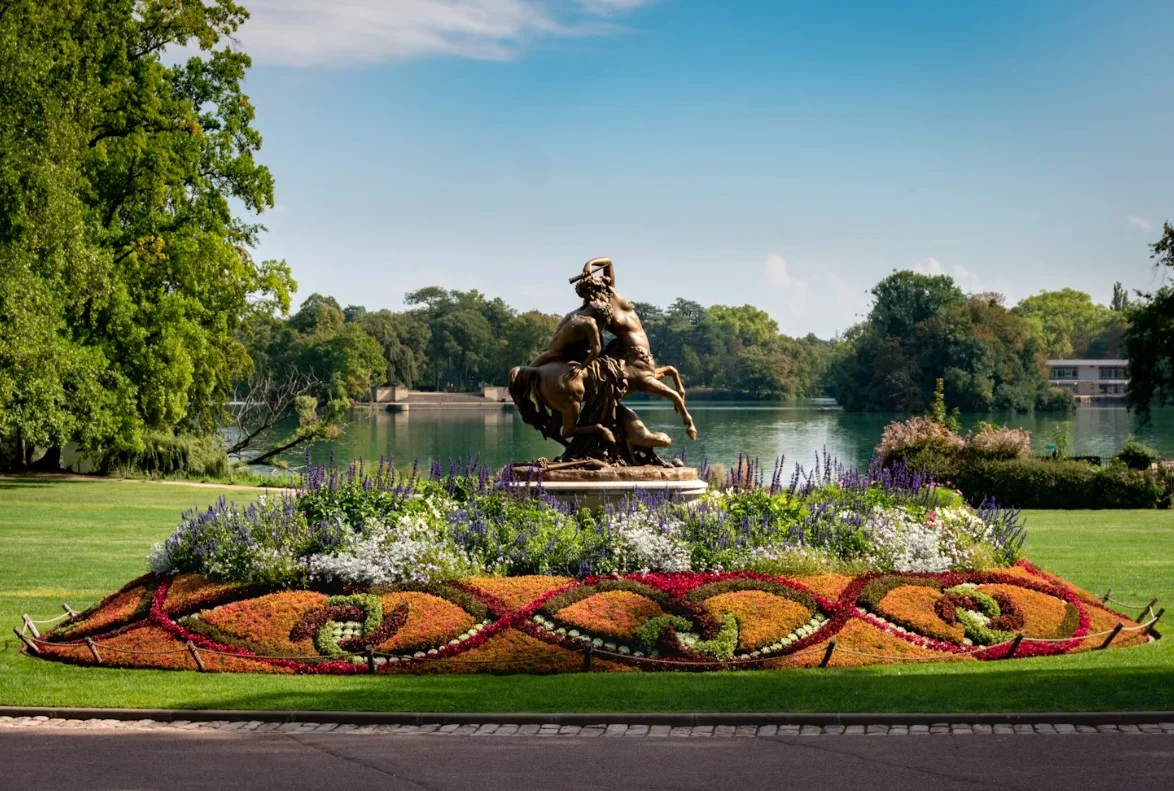
Lyon is a city where history, cuisine, and everyday life merge into a uniquely warm and layered atmosphere. Sitting at the confluence of the Rhône and Saône rivers, it has been an important urban centre since Roman times, and its architecture reflects this long past: Renaissance lanes, 19th-century boulevards, medieval courtyards, and steep hills crowned with basilicas and ancient theatres.
Yet what truly defines Lyon is its culinary spirit. The city is widely regarded as the gastronomic heart of France, home to traditional bouchons, legendary chefs, and markets that showcase the richness of regional produce. Lyon feels proud, elegant, and deeply local — a city that welcomes you with substance rather than spectacle.
Key Attractions:
Vieux Lyon: A Renaissance district filled with narrow streets, colourful houses, and hidden passageways known as traboules.
Basilica of Notre-Dame de Fourvière: Lyon’s hilltop landmark offering panoramic views across the rooftops and rivers.
Ancient Roman Theatres of Fourvière: Remarkably preserved amphitheatres used today for concerts and summer festivals.
Presqu’île: The vibrant city centre between the rivers, full of squares, shops, cafés, and cultural venues.
Musée des Confluences: A striking modern museum devoted to science, civilizations, and natural history.
Croix-Rousse: A historic hill famous for its silk-weaving heritage, murals, and artistic neighbourhood atmosphere.
Les Halles de Lyon Paul Bocuse: The city’s legendary indoor market, offering some of the finest regional food in France.
Saône and Rhône Riverbanks: Long promenades perfect for walking, cycling, and evening relaxation.
Place Bellecour: One of the largest open squares in Europe, forming a central reference point in the city.
Murals of Lyon: Giant frescoes illustrating local scenes and famous Lyonnais personalities.
Travel Experience
Many visitors arrive via lyon airport to city, a straightforward route that brings travellers directly into the heart of Lyon. From there, the city reveals itself gradually: mornings often begin with a walk along the rivers or a wander through the Presqu’île’s elegant squares. Crossing into Vieux Lyon feels like travelling back centuries, with steep stairways, stone courtyards, and artisan shops tucked behind arches. Climbing the hill to Fourvière rewards you with sweeping city views and a sense of Lyon’s long historical timeline.
Food shapes much of the day. Lunch in a traditional bouchon introduces hearty dishes unique to the region, while evenings might lead you to modern bistros or creative restaurants reflecting Lyon’s evolving gastronomic scene. Lyon feels both refined and welcoming: a city where you can explore deeply or simply enjoy the rhythm of local life.
Why You Should Visit
Lyon offers a perfect balance of history, culture, and world-class cuisine.
It is one of France’s most walkable and visually rich cities, with diverse districts rewarding slow exploration.
The food scene — from traditional bouchons to contemporary restaurants — is considered among the best in Europe.
Lyon makes an excellent hub for broader journeys to the Alps, Burgundy, Provence, and the Rhône Valley.
The city has enough depth for a week-long stay, yet remains perfect for a short break.
3. Strasbourg — Where French Elegance Meets German Charm
Strasbourg is a place where two cultures meet seamlessly. Located near the German border, the city blends French sophistication with German architectural detail, creating an atmosphere that feels both familiar and distinctly unique. It is the capital of Alsace, a region known for its timber-framed houses, festive traditions, and exceptional white wines.
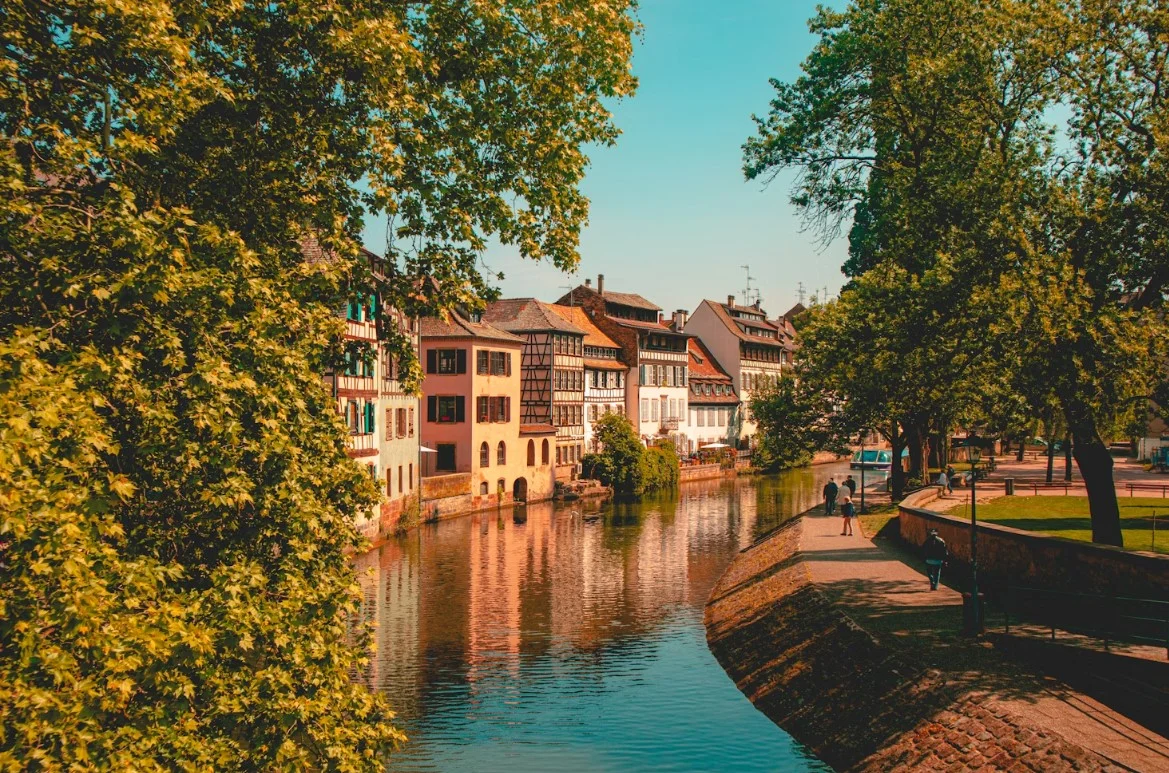
Strasbourg manages to be many things at once: the seat of European institutions, a historic medieval centre, a vibrant university hub, and one of the most atmospheric destinations in France. Its canals, bridges, and flower-lined facades make it feel like a living postcard.
Key Attractions:
Strasbourg Cathedral: A masterpiece of Gothic architecture featuring an intricate façade, stunning stained glass, and an astronomical clock.
Petite France: The most picturesque district in Strasbourg — half-timbered houses, canals, cobblestone lanes, and old mill structures.
La Petite Île & Ponts Couverts: A series of historic bridges and towers offering postcard-perfect views.
European Parliament: Modern architecture symbolizing Strasbourg’s political significance as a European capital.
Place Kléber: The city’s main square, surrounded by shops, cafés, and elegant 18th-century buildings.
Musée Alsacien: A cultural museum dedicated to Alsatian traditions, craftsmanship, and daily life.
Barrage Vauban: A 17th-century defensive structure offering panoramic views over Petite France and the medieval towers.
Boat Cruises on the Ill River: A relaxing way to explore the historic and modern districts of the city.
Christmas Markets: Strasbourg’s markets are among the oldest and most famous in Europe, transforming the city every winter.
Travel Experience
Walking through Strasbourg feels like moving across eras and cultures within a single city. The historic centre, largely pedestrianised, encourages slow exploration. The sound of cathedral bells blends with the hum of trams, while the scent of bakeries and Alsatian specialties drifts through the narrow lanes of Petite France.
Days can include cycling along waterways, browsing artisan shops, tasting regional wines, and enjoying open-air terraces. In winter, the entire city glows with Christmas lights, wooden chalets, and festive decorations. In summer, canals sparkle beneath sunlight, and river cruises offer quiet escapes from the heat. Strasbourg balances beauty, culture, and everyday life with effortless charm.
Why You Should Visit
Strasbourg offers one of the most beautiful old towns in Europe, filled with canals and perfectly preserved timber-framed houses.
The mix of French and German influence creates a memorable cultural and culinary experience.
It is a year-round destination — magical at Christmas, vibrant in summer, and photogenic in every season.
The city is an ideal base for exploring the Alsace Wine Route and nearby villages.
Strasbourg combines history, beauty, and ease of exploration better than many larger cities.
4. Avignon — Medieval Walls and Provence Light
Avignon is a compact medieval city on the banks of the Rhône, surrounded by stone ramparts and drenched in the soft light of Provence. For several decades in the 14th century it was the seat of the papacy, and that period left behind a concentration of religious and civic architecture that still dominates the skyline today. Despite its historical weight, Avignon feels approachable in scale, with walkable streets, tree-lined squares, and café terraces that fill slowly throughout the day.
The city stands at a crossroads in southern France: vineyards, lavender fields, and Roman heritage sites lie within easy reach. This combination of urban history and nearby countryside makes Avignon an ideal base for travellers who want more than a single postcard view of Provence.
Key Attractions:
Palais des Papes: One of Europe’s largest Gothic palaces, once home to the popes, with grand halls, chapels, and ramparts looking out over the city.
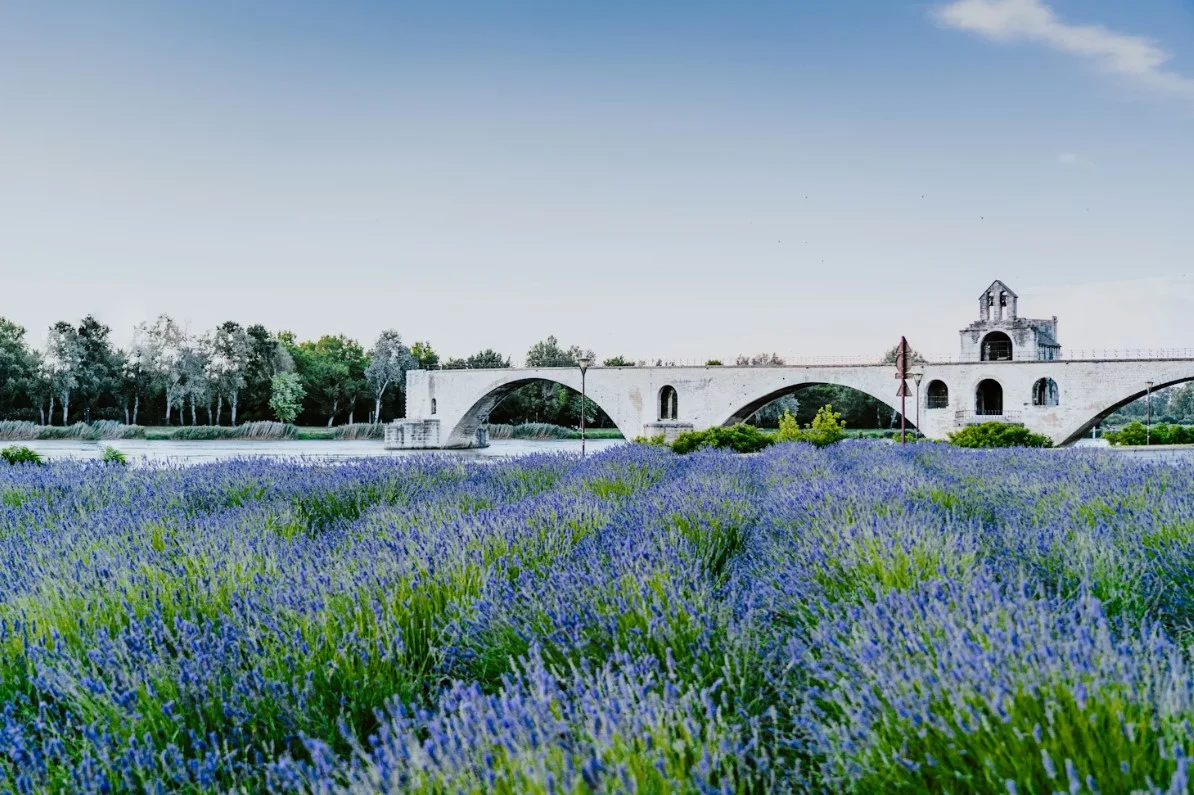
Pont Saint-Bénézet (Pont d’Avignon): The famous broken bridge stretching into the Rhône, associated with the well-known children’s song and atmospheric river views.
City Walls: Nearly intact medieval fortifications encircling the old town, punctuated by gates and towers that frame views of the surrounding landscape.
Place de l’Horloge: The main square with the town hall, theatre, and a ring of cafés, often animated by street performers and small events.
Rocher des Doms: A landscaped hilltop park above the Palais des Papes, with shaded paths, ponds, and wide panoramas over the Rhône and nearby villages.
Avignon Festival: A major performing arts festival each July, when courtyards, theatres, and streets are filled with plays, performances, and temporary venues.
Les Halles d’Avignon: The covered market where local producers sell cheeses, olives, charcuterie, wine, and seasonal produce from Provence.
Rhône Riverfront: Paths and viewpoints along the riverbank, particularly striking at sunrise and in the evening.
Nearby Excursions: Easy day trips to Roman sites such as the Pont du Gard, Nîmes, and Arles, as well as surrounding wine villages and hilltop towns.
Travel Experience
Many visitors reach Avignon by travelling marseille to avignon, a convenient route that brings travellers from Provence’s main international airport directly toward the city’s medieval walls. A typical day in Avignon starts within those historic ramparts, where narrow lanes weave between stone townhouses, churches, and small shops. It is easy to orient yourself by the silhouette of the Palais des Papes or the curve of the fortifications.
Mornings might be spent wandering through the palace, walking the courtyards and terraces, then pausing in a shaded square for coffee. The covered market draws in locals and visitors alike, especially towards lunchtime, when counters fill with regional dishes and tasting plates.
Later, many travellers climb to Rocher des Doms for a quieter moment above the rooftops, or cross the river to the Île de la Barthelasse for a different angle on the old town. When the festival is in full swing, posters and temporary stages appear across the city, creating an energetic, creative atmosphere. At other times of the year, Avignon feels more relaxed, with evenings devoted to lingering on terraces, sampling local wines, and planning the next day’s excursion into the surrounding countryside.
Why You Should Visit
Avignon combines a dense concentration of medieval and papal history with the sunlight and slower pace of Provence.
The city is small enough to explore on foot, yet rich in landmarks, viewpoints, and characterful streets.
It works both as a destination in its own right and as a base for discovering nearby Roman sites, vineyards, and Provençal villages.
The annual theatre festival adds an extra cultural dimension for those visiting in July.
Avignon offers a clear sense of place: once there, it is unmistakably southern France.
5. Saint-Rémy-de-Provence — The Quiet Soul of Provence
Saint-Rémy-de-Provence is a small town with a strong sense of character, shaped by sunlight, stone façades, and a slower rhythm of daily life. Surrounded by olive groves and the rolling landscapes of the Alpilles, it captures the essence of Provence without the crowds found in larger cities. Narrow pedestrian lanes, shuttered houses, and shaded squares give the town a timeless, intimate feel.
It is also a place deeply connected to art and history. Vincent van Gogh spent one of his most productive periods here, while traces of the Roman city of Glanum sit just outside the centre. Saint-Rémy blends these layers of heritage into a peaceful and refined setting that invites visitors to slow down and observe.
Key Attractions:
Ancient City of Glanum: Ruins of a Roman settlement including temples, baths, and residential structures framed by the Alpilles hills.
Les Antiques: Two well-preserved Roman monuments — the triumphal arch and the mausoleum — standing beside the road into town.
Saint-Paul de Mausole Monastery: The former asylum where Van Gogh stayed and painted many of his iconic works. Its gardens and cloisters remain remarkably serene.
Old Town Streets: A network of pedestrian lanes with boutiques, art studios, Provençal shops, and terrace cafés.
Wednesday Market: One of the region’s most vibrant markets, filling the town with produce, textiles, local cheese, olives, herbs, and crafts.
Musée Estrine: A small but elegant museum dedicated to modern art and the regional artistic heritage.
Alpilles Natural Regional Park: A dramatic landscape of limestone ridges and Mediterranean vegetation ideal for hiking, scenic drives, and photography.
Local Vineyards and Olive Mills: Tasting rooms and farm visits that showcase the flavours of Provence.
Travel Experience
Life in Saint-Rémy feels unhurried. Mornings often begin with a stroll past bakeries and stone-fronted shops as the town slowly comes to life. The weekly market is a highlight, filling the streets with colour and fragrance. Outside the centre, quiet roads lead to olive orchards, vineyards, and the rocky silhouettes of the Alpilles — a landscape that rewards even short walks or drives.
In the afternoons, many visitors head toward the Roman site of Glanum or follow in the footsteps of Van Gogh along marked paths that reference his paintings. Evenings tend to be calm: outdoor dining under plane trees, glasses of local wine, and the sound of conversation drifting across small squares. Saint-Rémy offers a rare kind of stillness that never feels empty — only peaceful.
Why You Should Visit
Saint-Rémy captures the essence of Provence better than many larger towns — intimate, charming, and close to nature.
Its mix of Roman ruins, artistic heritage, and Provençal tradition offers a rich cultural experience in a small, walkable setting.
The town makes an excellent base for exploring the Alpilles, regional markets, wineries, and scenic countryside.
Those seeking a quieter alternative to busy Provençal destinations will find a relaxed rhythm that encourages slow travel.
It is one of the most atmospheric places in southern France — a destination that feels authentic and deeply rooted in its surroundings.
6. Troyes — Medieval Streets and Champagne Heritage
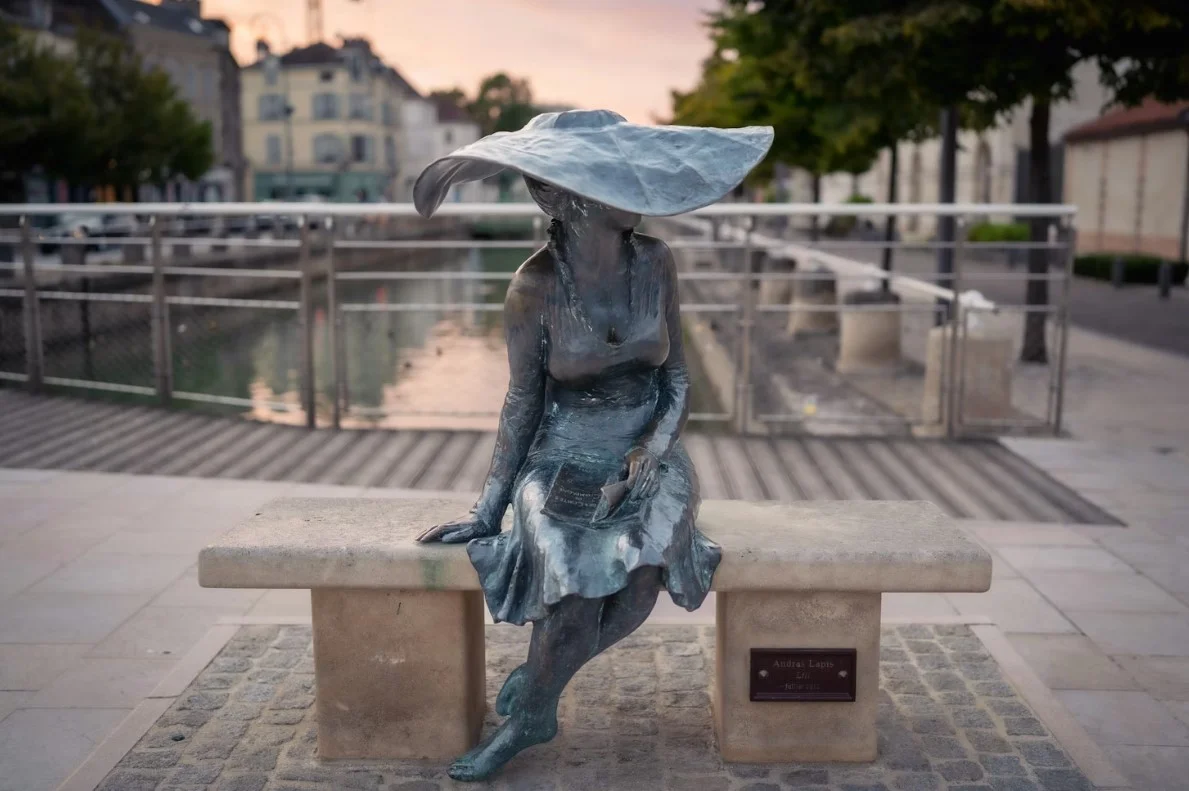
Troyes is a beautifully preserved medieval town in the southern part of the Champagne region. Its centre is shaped like a champagne cork, a fitting detail for a place long associated with the region’s history and trade. Half-timbered houses lean gently over cobbled lanes, each one restored with colours and textures that bring the old quarters to life.
Although compact, Troyes feels unexpectedly rich: Gothic churches, Renaissance façades, tranquil canals, and a sense of authenticity that hasn’t been polished into something artificial. It’s a town where heritage is part of everyday life, not something kept behind museum doors.
Key Attractions:
Half-Timbered Old Town: Brightly painted medieval houses around Rue Émile Zola, Rue Champeaux, and the “Champagne Cork” district — one of France’s most scenic historic centres.
Cathedral of Saint-Pierre-et-Saint-Paul: A Gothic cathedral known for its towering nave and exceptional stained-glass windows.
Basilica of Saint-Urbain: A jewel of Rayonnant Gothic style with delicate stonework and remarkable luminosity.
Église Sainte-Madeleine: Famous for its intricately carved stone rood screen and peaceful atmosphere.
Ruelle des Chats: A narrow lane where rooftops almost touch — a perfect illustration of the medieval character of Troyes.
Canal du Trévois: A quiet canal lined with gardens, sculptures, and footpaths ideal for an afternoon stroll.
Place Alexandre-Israël: A lively square with cafés, shops, and seasonal events.
Musée d’Art Moderne: A museum housed in a former episcopal palace, showcasing 19th- and 20th-century French art.
Factory Outlet District: Troyes is one of Europe’s major outlet shopping hubs, with large centres such as McArthurGlen.
Champagne Cellars: While the largest houses are further north, Troyes offers excellent introductions to the region’s wine traditions and tasting experiences.
Travel Experience
Troyes rewards slow wandering. Its medieval heart is dense with tiny lanes, sudden courtyards, and colourful façades that shift tone depending on the sunlight. Many streets feel like open-air museums, yet remain part of daily life — locals shop at markets, gather on terraces, and move across bridges that have been in place for centuries.
The canal offers a quieter counterpoint to the busier central squares, while the Gothic churches provide cool, echoing interiors filled with light from exceptional stained glass. As evening arrives, restaurants begin serving regional dishes paired with Champagne, and the town settles into its peaceful rhythm. Troyes is charming without trying too hard — a refreshing quality in a well-preserved historic town.
Why You Should Visit
Troyes has one of France’s most atmospheric medieval centres, filled with colourful timber-framed houses and quiet lanes.
It offers easy access to Champagne traditions, including tastings, vineyard visits, and cellar tours.
The town blends Gothic architecture, Renaissance history, and modern life in a compact, walkable area.
Troyes makes an excellent stop on a road trip between northern France and the south.
The combination of heritage, relaxation, and regional flavours creates a memorable short-break destination.
7. Villefranche-sur-Mer — A Riviera Bay of Quiet Elegance
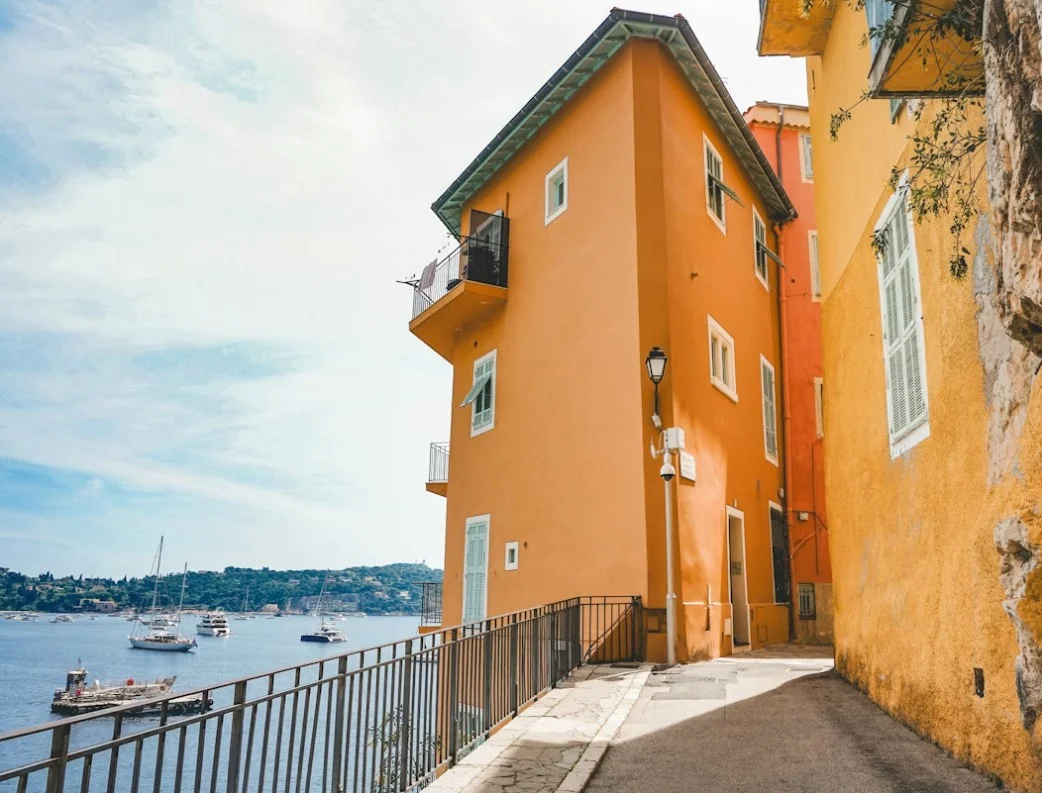
Villefranche-sur-Mer is one of the most picturesque coastal towns on the French Riviera. Built along a steep hillside that drops into a deep natural bay, it feels refined yet understated — a place where colourful façades meet bright Mediterranean light, and the rhythm of life is shaped by the sea. Unlike the busier nearby cities of Nice and Monaco, Villefranche preserves a calmer, more intimate atmosphere.
Narrow lanes weave beneath arches and vaulted passages, while fishing boats float quietly in the harbour. The sheltered bay gives the town a gentle, almost cinematic quality, making it a favourite for artists, writers, and travellers looking for coastal beauty without overwhelming crowds.
Key Attractions:
Old Town (Vieille Ville): A labyrinth of warm-coloured buildings, stone stairways, and hidden passages typical of historic Mediterranean towns.
Rue Obscure: A fascinating covered street dating back to the 13th century, running beneath houses and offering a unique glimpse into medieval town planning.
Villefranche Harbour: A calm waterfront lined with boats and cafés, perfect for leisurely walks and coastal photography.
Plage des Marinières: A long curve of soft sand and clear water — one of the most inviting beaches on this stretch of the Riviera.
Citre de Villefranche: A 16th-century fortress overlooking the bay, housing museums and offering panoramic coastal views.
Saint-Michel Church: An 18th-century baroque church known for its elegant interior and peaceful setting in the old town.
Coastal Path to Cap Ferrat: A scenic walkway leading towards Saint-Jean-Cap-Ferrat, where cliffs, pine trees, and sea views unfold continuously.
Deep Natural Bay: One of the Mediterranean’s deepest harbours, frequently visited by yachts and cruise ships — a defining visual feature of the town.
Proximity to Nice and Monaco: Quick access to two major Riviera highlights without sacrificing the tranquility of a smaller town.
Travel Experience
Many travellers begin their Riviera trip by arriving through nice airport to city, a convenient gateway that brings visitors just minutes from Villefranche-sur-Mer. Days here often begin with sunlight spilling across the bay, casting reflections on the pastel facades rising above the water. The town encourages slow exploration: a walk along the promenade, a quiet moment on the beach, or a detour into steep backstreets where arches and stairways create natural shade.
Many visitors climb gradually toward the upper viewpoints, where the full curve of the bay comes into focus — a blend of bright sea, terracotta rooftops, and the green slopes of Cap Ferrat. Evenings tend to be relaxed, with waterfront restaurants filling as the sky turns pink and the anchored boats begin to glow under the coastal lights. Villefranche offers Riviera beauty in a softer, more authentic form than its glamorous neighbours.
Why You Should Visit
The town has one of the most scenic natural harbours on the French Riviera — perfect for photography, boat trips, and seaside relaxation.
Its old town and medieval passages give Villefranche a unique, atmospheric character.
You get the Riviera experience without the intensity of larger cities like Nice or Monaco.
Excellent for visitors seeking calm beaches, coastal walks, and charming historic streets.
It serves as an ideal base for exploring the Côte d’Azur while staying somewhere peaceful and visually captivating.
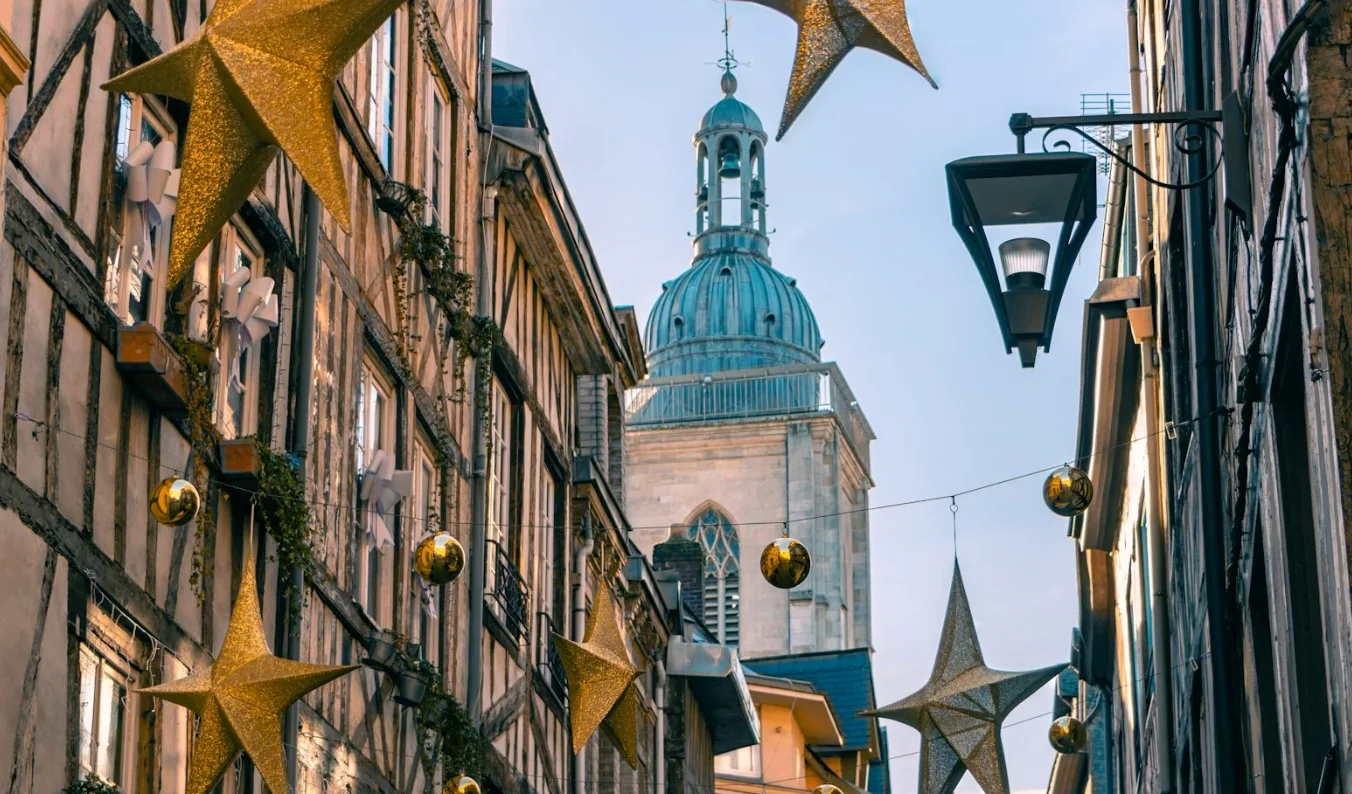
Rouen is one of Normandy’s most atmospheric cities — a place where Gothic spires rise above timber-framed houses, and centuries of history sit visibly in the streets. As the former capital of the Duchy of Normandy, Rouen played a central role in medieval France, and its historic layers remain remarkably intact today.
The old town is filled with narrow lanes, market squares, and façades in soft shades of cream, grey, and ochre. The city has a calm northern character: artistic, slightly reserved, and deeply tied to its heritage, from Joan of Arc to Claude Monet, who painted the cathedral repeatedly to capture its changing light.
Key Attractions:
Rouen Cathedral: A masterpiece of Gothic architecture famous for its height, ornate façade, and Monet’s iconic painting series.
Old Market Square (Place du Vieux-Marché): The site associated with the trial and execution of Joan of Arc, now marked by a contemporary church and surrounded by cafés.
Church of Saint Joan of Arc: A striking modern structure with dramatic stained-glass windows preserved from earlier churches.
Rue du Gros-Horloge: A lively pedestrian street named after the 14th-century astronomical clock arching above it.
Aître Saint-Maclou: A rare medieval ossuary with carved wooden galleries — one of the most unusual architectural sites in Normandy.
Church of Saint-Maclou: A Flamboyant Gothic church known for its intricate façade and carved portals.
Musée des Beaux-Arts: One of France’s leading provincial art museums, with works by Delacroix, Caravaggio, Monet, and Gérôme.
Seine River Quays: Long riverfront paths ideal for walking or cycling, with views of bridges and moored boats.
La Couronne Restaurant: Often cited as France’s oldest inn, linked to centuries of culinary history and traditional Normandy cuisine.
Short Trip to Giverny: Just outside Rouen lies Claude Monet’s home and gardens, including the iconic water-lily pond.
Travel Experience
Many travellers reach Rouen by travelling through Paris Beauvais, often choosing routes such as beauvais rouen, which connect Normandy with one of the region’s key airports. Exploring Rouen feels like stepping into a city shaped by age and artistry. Mornings often begin in the old town, where timber-framed houses tilt toward one another above narrow cobblestone lanes. The cathedral dominates the skyline, and its façade changes dramatically throughout the day, echoing the fascination Monet had with its colours.
Cafés spill into the squares, and walking the Gros-Horloge street brings you past shops, markets, and street musicians. Small museums and churches invite deeper exploration, each revealing a different chapter of the city’s past. The river adds a quiet rhythm: long promenades, working quays, and wide views of boats moving slowly along the Seine.
Evenings tend to be relaxed, with warm lights illuminating the half-timbered façades and local restaurants serving dishes featuring cider, apples, cream, and seafood — the flavours of Normandy.
Why You Should Visit
Rouen offers one of the most complete medieval centres in northern France, rich in Gothic architecture and historic charm.
Its connection to Joan of Arc and Claude Monet gives the city deep cultural significance.
The atmosphere is calmer and more authentic than in many major tourist cities.
Rouen is an ideal base for exploring Normandy, including Giverny, the coast, and nearby towns.
It blends museums, architecture, riverside walks, and great food into a balanced, memorable stay.
9. Lille — Northern Warmth and Cultural Energy
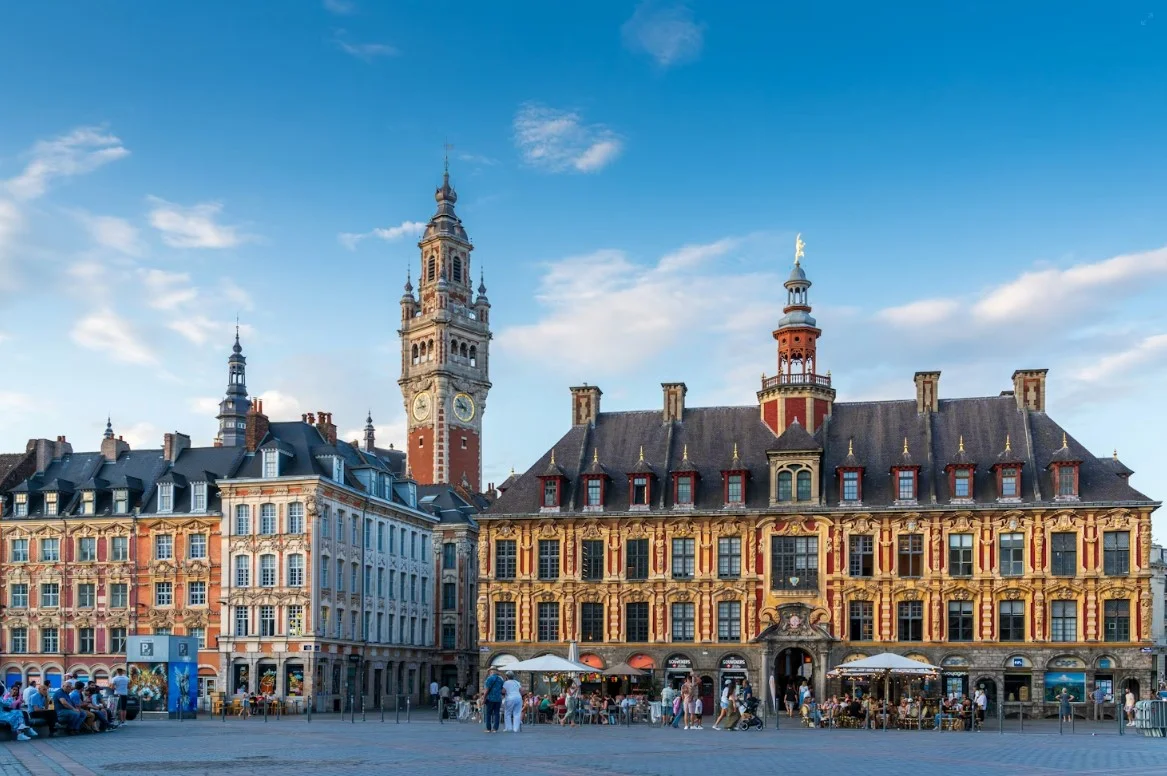
Lille is the lively capital of French Flanders, a region shaped by a blend of French and Flemish traditions. The city feels welcoming from the moment you arrive: ornate façades, grand squares, and brick buildings reflect its northern identity, while cafés and markets add a warm, social atmosphere. Lille is known for its creative spirit — museums, festivals, student life, and a dining scene that mixes hearty regional dishes with modern flavours.
Once an important industrial centre, Lille has reinvented itself as one of France’s most dynamic cultural cities. The result is a place that balances heritage with youthful energy, offering visitors an inviting, vibrant urban experience.
Key Attractions:
Grand Place (Place Charles de Gaulle): The city’s main square, framed by Flemish Renaissance-style buildings and the old stock exchange.
Vieille Bourse: A beautifully preserved 17th-century building with an inner courtyard hosting book stalls, chess games, and seasonal events.
Old Town (Vieux Lille): Narrow cobblestone streets, colourful façades, boutique shops, and a distinctly Flemish character.
Palais des Beaux-Arts: One of France’s largest art museums outside Paris, featuring European masters and impressive collections.
La Citadelle: A vast 17th-century fortress surrounded by a park and walking paths.
Notre-Dame de la Treille Cathedral: A striking modern façade paired with traditional Gothic interior elements.
Wazemmes Market: One of the region’s most colourful markets, filled with spices, textiles, produce, and street food.
Lille Europe & Euralille: A modern district of shopping centres, contemporary architecture, and high-speed rail connections.
La Piscine Museum (Roubaix): A stunning art museum in a converted 1930s swimming pool, located just outside Lille.
Travel Experience
Many travellers arrive in the region through Lille Airport, often using taxi lille airport services for an easy connection into the city. Lille’s old town is best explored on foot, with its rows of brick houses, arched doorways, and cafés spilling onto the sidewalks. Markets open early, students and locals fill the streets, and restaurants begin serving northern classics such as carbonnade flamande, a beer-based beef stew.
The cultural scene is strong. The Palais des Beaux-Arts is a major highlight, while smaller galleries and street art give the city a creative edge. For quieter moments, the park surrounding the Citadelle offers wide green spaces ideal for walking or cycling. Even in winter, Lille maintains a warm atmosphere, helped by its lively cafés and festive traditions.
Why You Should Visit
Lille combines Flemish charm with French elegance, creating a unique northern identity.
The old town is rich in architecture, shops, and cafés — perfect for slow exploration.
The city’s museums, markets, and cultural life offer plenty to fill a weekend or longer.
Lille is extremely well-connected, making it an easy addition to itineraries between Paris, Belgium, and the UK.
It delivers an authentic, warm, and energetic experience distinct from southern France.
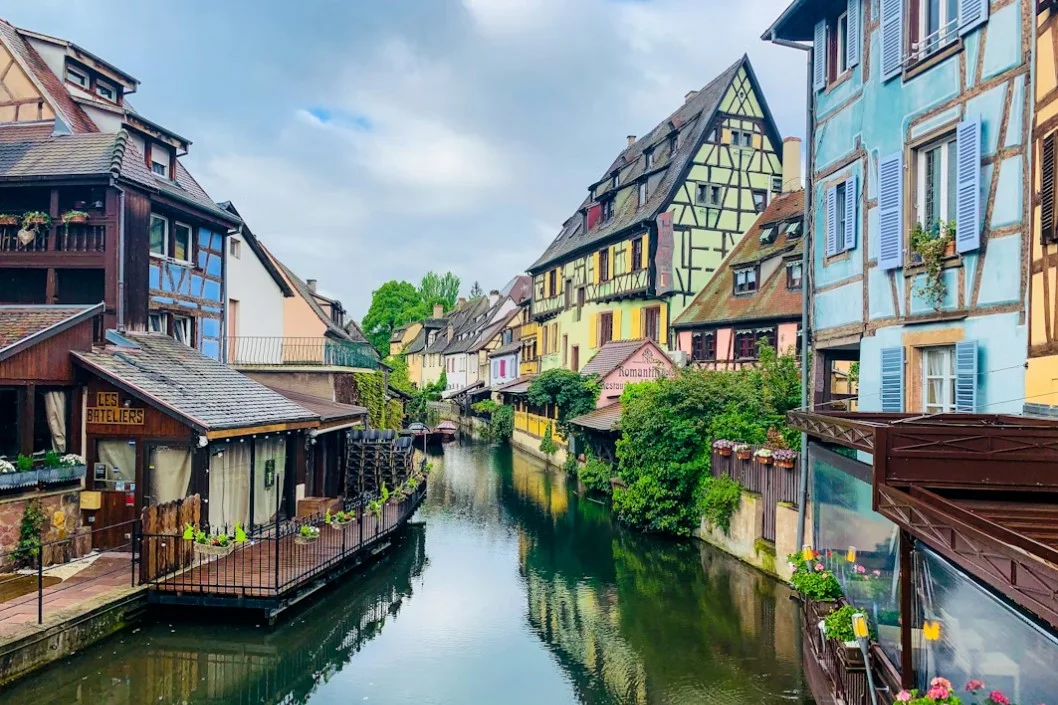
Colmar feels like a town lifted from a storybook — canals lined with pastel-coloured houses, wooden shutters in soft tones, and flowers spilling from window boxes in warmer months. It is one of the most emblematic towns of Alsace, perfectly preserving the architectural traditions of the region. Despite its popularity, Colmar retains a calm, gentle rhythm, inviting visitors to explore its streets without hurry.
The town’s character blends wine culture, medieval history, and artistic heritage, especially through its connections to painter Martin Schongauer and sculptor Frédéric Auguste Bartholdi, who designed the Statue of Liberty. Colmar is small enough to feel intimate, yet rich in sights, flavours, and seasonal events.
Key Attractions:
La Petite Venise: The most photographed district of Colmar — canals bordered by colourful half-timbered houses, gardens, and arching bridges.
Old Town (Centre Historique): A maze of cobblestone lanes lined with medieval and Renaissance façades.
Unterlinden Museum: Home to the famous Isenheim Altarpiece and a wide collection of medieval and Renaissance art.
Maison des Têtes: A 17th-century building decorated with over 100 sculpted heads, symbolising Colmar’s artistic tradition.
Maison Pfister: One of the town’s finest Renaissance houses, with wooden galleries and detailed frescoes.
Saint-Martin Collegiate Church: A Gothic church dominating one of Colmar’s main squares.
Bartholdi Museum: Dedicated to the sculptor of the Statue of Liberty, born in Colmar.
Alsace Wine Route: Colmar is a key stop along the region’s wine trail, surrounded by villages and vineyards producing world-renowned white wines.
Christmas Markets: During winter, Colmar transforms into a festive village of lights, chalets, and decorations.
Travel Experience
Visiting Colmar is an experience built around colours, textures, and gentle movement. Mornings often begin with a stroll through the old town, where façades in shades of gold, green, and rose catch the first light. The canals offer calm reflections of half-timbered houses, making them ideal for photography or simply observing the town’s rhythm.
Food and wine play a central role here. Traditional winstubs serve Alsatian dishes such as tarte flambée and hearty regional plates, while local wine shops offer tastings of Riesling, Gewürztraminer, and Pinot Blanc. In the afternoon, many travellers take short trips to nearby villages like Eguisheim or Riquewihr, each one offering its own fairytale streets and views.
Whether lively during the festive season or peaceful in summer mornings, Colmar has a charm that feels effortless and enduring.
Why You Should Visit
Colmar is one of the most beautifully preserved historic towns in France, with exceptional architecture at every turn.
The blend of canals, colourful houses, and floral décor creates unforgettable scenery.
It offers immediate access to the Alsace Wine Route and its renowned villages and vineyards.
Ideal for travellers interested in medieval history, regional cuisine, and intimate townscapes.
Colmar’s atmosphere feels magical in any season — from summer light to winter’s festive glow.
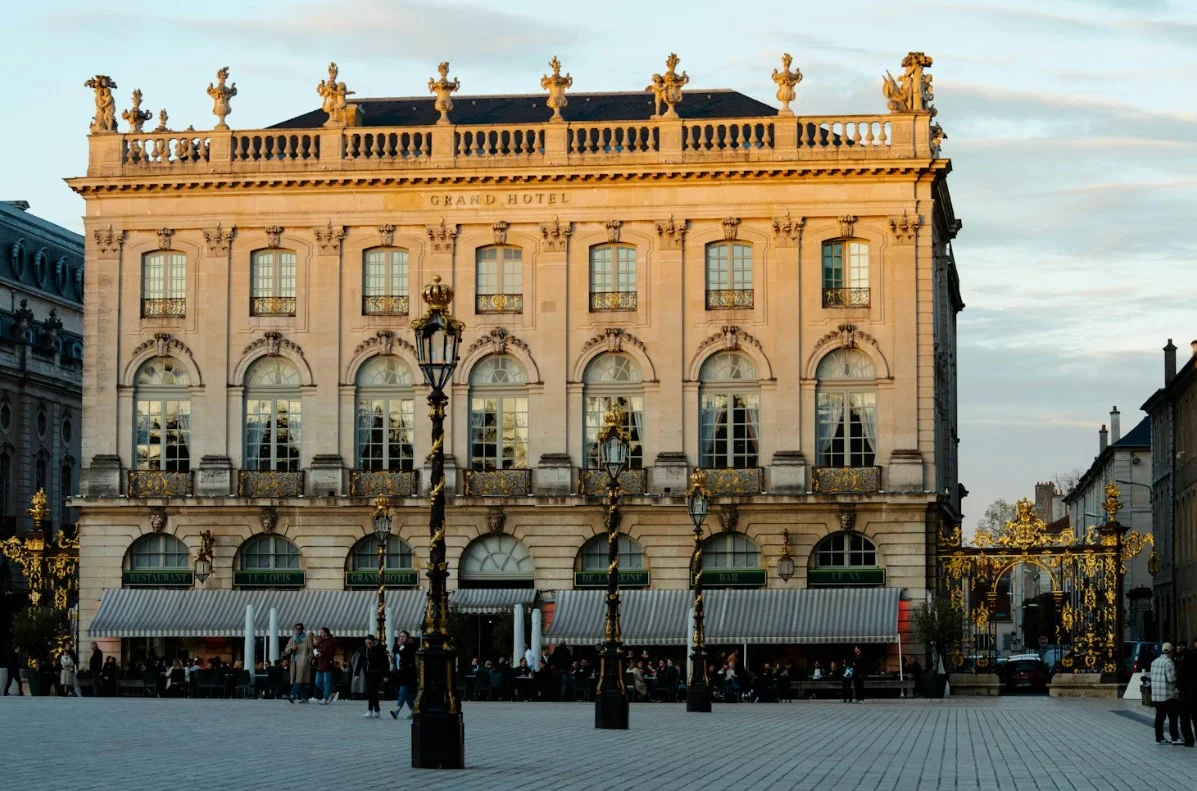
Nancy sits in the Lorraine region and is best known for its elegant squares and strong Art Nouveau heritage. The city’s centre is built on a human scale, but its architecture feels surprisingly grand: golden gates, classical façades, and carefully designed urban spaces give Nancy a refined, almost theatrical character.
At the same time, Nancy is a university city with a young population and a relaxed pace. Cafés, bookshops, and neighbourhood restaurants keep its streets active well into the evening, giving visitors a clear sense of everyday life alongside the formal beauty of its monuments.
Key Attractions:
Place Stanislas: A UNESCO-listed square framed by harmonious 18th-century buildings, ornate wrought-iron gates, fountains, and statues — the visual heart of the city.
Place de la Carrière & Place d’Alliance: Two adjoining classical squares that, together with Place Stanislas, form a remarkable urban ensemble.
Parc de la Pépinière: A large park just off Place Stanislas, with tree-lined paths, lawns, a small zoo, and play areas — ideal for a break from sightseeing.
Musée des Beaux-Arts de Nancy: An art museum on Place Stanislas featuring European paintings, decorative arts, and Daum glass pieces.
Villa Majorelle: One of the finest examples of French Art Nouveau architecture, designed for furniture maker Louis Majorelle.
Musée de l’École de Nancy: A museum dedicated to the École de Nancy, the local Art Nouveau movement, with furniture, glass, and decorative objects.
Old Town (Ville Vieille): Medieval streets, ramparts, and older houses clustered around the Ducal Palace and the Porte de la Craffe.
Porte de la Craffe: A fortified medieval gate with imposing towers marking the old entrance to the city.
Saint-Epvre Basilica: A neo-Gothic church overlooking a lively square filled with cafés and restaurants.
Travel Experience
Nancy’s layout makes it easy to combine architectural visits with simple daily pleasures. Many travellers start at Place Stanislas, taking time to walk its full perimeter, admire the ironwork and stone details, and then step into the adjoining park for shade and quiet. From there, it is a short walk to the old town, where narrower streets reveal a different, older face of the city.
The Art Nouveau heritage adds another layer to the experience. Exploring Villa Majorelle or the École de Nancy museum shows how design, craftsmanship, and modern ideas once shaped the city’s identity. In the evening, terraces around Place Stanislas and nearby streets fill with people meeting for drinks or dinner, and the square is often illuminated, highlighting its balanced proportions and decorative details.
Why You Should Visit
Nancy offers some of the most beautiful classical squares in Europe, all within easy walking distance.
The city is one of the best places to discover French Art Nouveau in depth.
Its mix of formal architecture, green spaces, and relaxed student life creates a pleasant, approachable atmosphere.
Nancy works well as a stop between Paris, Alsace, Luxembourg, or Germany.
Travellers interested in urban design and decorative arts will find a lot to explore in a relatively compact area.
Beaune is a graceful town in the heart of Burgundy’s wine country, surrounded by rolling vineyards and small villages known worldwide for their Pinot Noir and Chardonnay. Despite its global reputation, Beaune remains compact, walkable, and deeply connected to its winemaking heritage. The town feels both historic and intimate: tiled roofs, stone houses, quiet courtyards, and centuries-old cellars hidden beneath the streets.
Beaune is not flashy; its charm comes from a calm, cultivated atmosphere shaped by wine tradition, regional cuisine, and a landscape that changes colour with every season. For travellers, it offers a clear sense of place — Burgundy distilled into a single town.
Key Attractions:
Hospices de Beaune: The town’s most famous monument, a 15th-century charitable hospital with colourful glazed roof tiles and beautifully preserved interiors.
Beaune Wine Cellars: Historic subterranean cellars where generations of winemakers have aged their wines — many open for tastings and tours.
Notre-Dame Collegiate Church: A Romanesque-Gothic church decorated with remarkable tapestries.
Old Town Streets: Stone houses, arcaded walkways, antique shops, and wine boutiques that highlight the region’s character.
Musée du Vin de Bourgogne: A museum dedicated to Burgundy’s winemaking heritage, tools, and traditions.
Saturday Market: A colourful market where producers sell cheese, meats, honey, spices, and seasonal ingredients from the region.
Surrounding Vineyards: Routes through world-famous appellations such as Pommard, Meursault, Volnay, and Puligny-Montrachet.
Bouzaize Park & Lake: A serene green space ideal for leisurely walks or picnics.
Burgundy Wine Route: A scenic drive or cycling route connecting historic villages and vineyards across the Côte de Beaune.
Travel Experience
Many travellers reach Burgundy by flying into Lyon, with easy onward routes such as taxi lyon airport making the journey to Beaune smooth and straightforward. Once in town, Beaune invites visitors to slow down and enjoy the details: the scent of oak barrels in dimly lit wine cellars, quiet courtyards hidden behind stone façades, and the soft hills that shift from deep green in summer to golden tones during the autumn harvest.
The town centre is easy to explore on foot, and many visitors begin their day with a tasting or a visit to the Hospices de Beaune, whose architecture alone is worth the trip.
Afternoons often lead into the countryside. A short drive or bike ride brings you past low stone walls, vineyard plots, and small villages with centuries of winemaking tradition. Evenings in Beaune are relaxed: restaurants serve regional dishes paired with local wines, and the streets settle into a gentle calm as night falls.
Why You Should Visit
Beaune is the ideal introduction to Burgundy’s world-renowned wine culture.
The town combines remarkable heritage sites with a peaceful, intimate atmosphere.
Tastings, vineyard visits, and scenic drives create endless possibilities for travellers.
Beaune’s historic streets and surrounding countryside are beautiful in every season.
It’s a perfect base for exploring the Côte de Beaune and nearby Burgundy villages.
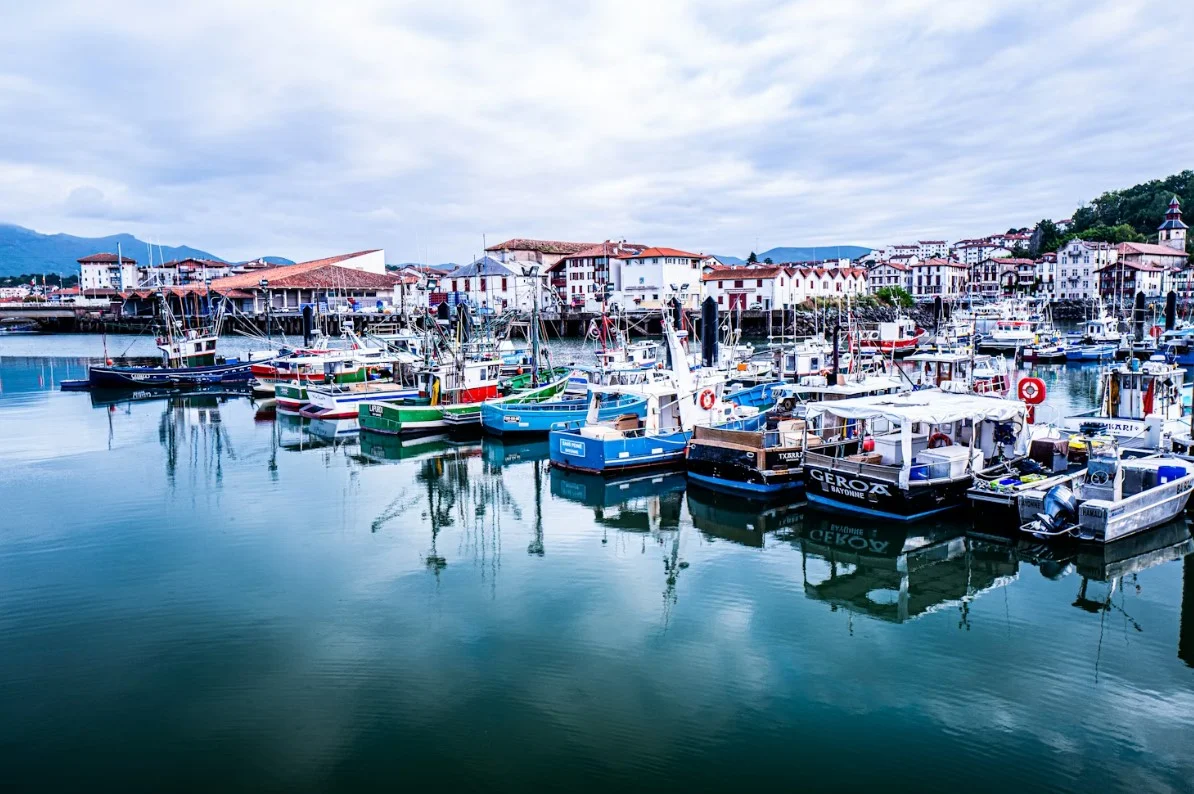
13. Saint-Jean-de-Luz — Basque Coast Tradition and Seaside Calm
Saint-Jean-de-Luz is a small Basque town shaped by the Atlantic Ocean and a strong regional identity. Its harbour, sandy beach, and red-and-white Basque houses give the town an immediately recognisable character. Unlike neighbouring Biarritz, which has a more cosmopolitan feel, Saint-Jean-de-Luz remains rooted in tradition — fishing heritage, family-owned boutiques, and a calm, unhurried rhythm define everyday life here.
The atmosphere is warm and grounded. Locals take pride in their customs, cuisine, and language, and visitors quickly pick up on the region’s distinct flavour. The scenery shifts from quiet beaches to rugged coastal paths, with the Pyrenees rising in the background — a reminder that the mountains are never far away.
Key Attractions:
The Harbour: Fishing boats, seafood restaurants, and a sheltered bay that has shaped the town’s identity for centuries.
Grande Plage: A wide beach protected by sea walls, ideal for swimming thanks to its naturally calm waters.
Maison de l’Infante: A 17th-century residence connected to the marriage of Louis XIV, overlooking the harbour.
Saint-Jean-Baptiste Church: Known for its wooden galleries and the royal wedding of Louis XIV and Maria Theresa of Spain.
Rue Gambetta: A lively main street lined with Basque delicacies, pastry shops, artisan stores, and local fashion.
Coastal Path to Sainte-Barbe: A scenic walkway offering views of the bay, the town’s rooftops, and the hills beyond.
Louis XIV Square: A pleasant open space filled with cafés — a natural gathering point for both locals and visitors.
Nearby Basque Villages: Quick access to places like Ciboure, Ascain, and Ainhoa, each with its own character and traditions.
Travel Experience
Many travellers arrive in the region via Bordeaux, often choosing bordeaux airport taxi service for a smooth connection to the Basque coast. Life in Saint-Jean-de-Luz unfolds at an easy pace. Mornings often start with a walk along the harbour, where fishermen prepare their boats and the smell of the ocean mixes with that of freshly baked pastries from nearby shops. Midday brings activity to the centre of town, especially along Rue Gambetta, where visitors browse local products and enjoy Basque specialities.
The beach invites long pauses — families gather near the water, and swimmers appreciate the naturally sheltered bay. As the day cools, the coastal path toward Sainte-Barbe becomes a favourite route for evening walks, offering broad views over the town. Dinner often centres around seafood, local peppers, and regional desserts, creating a culinary experience rooted in Basque tradition.
Why You Should Visit
The town offers a genuine Basque atmosphere, with traditions preserved in daily life.
Its sheltered beach is ideal for relaxed swimming, making it perfect for families.
Saint-Jean-de-Luz is less crowded than nearby coastal cities, providing a calmer seaside stay.
Its location makes it easy to explore the Basque Country — both on the French and Spanish sides.
The combination of harbour life, coastal scenery, and historic landmarks creates a memorable coastal escape.
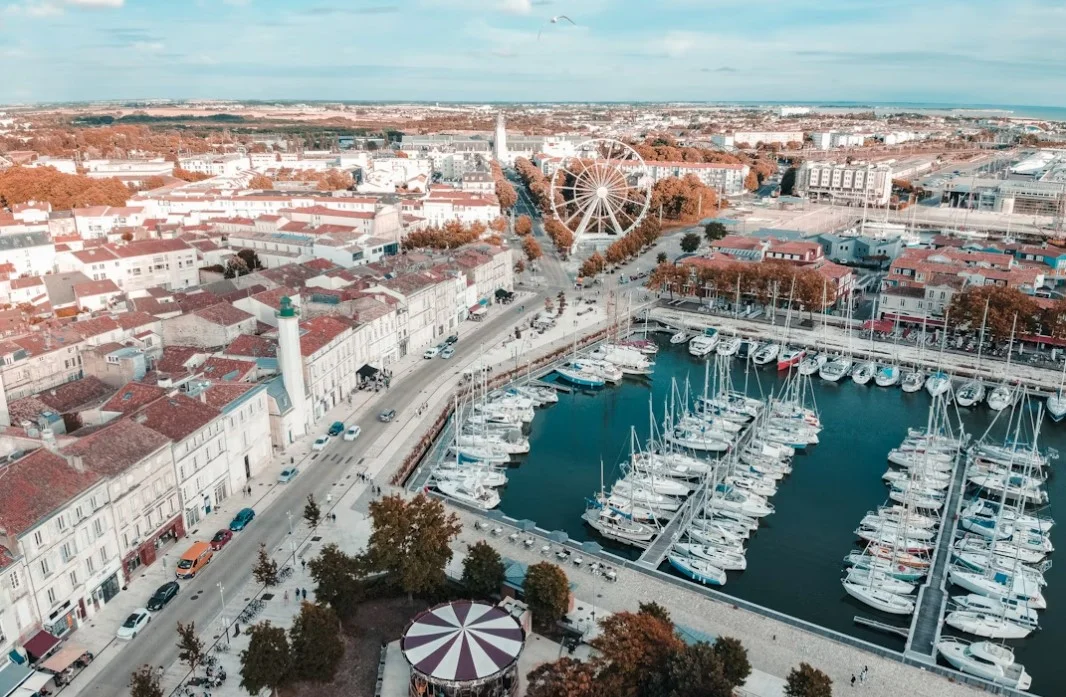
14. La Rochelle — Atlantic Breeze and Historic Maritime Character
La Rochelle is a coastal city shaped by its long maritime history and its relationship with the Atlantic. Stone towers guard the entrance to its old harbour, narrow arcaded streets run through the historic centre, and the mix of medieval, Renaissance, and classical architecture gives the city a refined yet relaxed atmosphere. It feels bright and open, thanks to its waterfront promenades and wide skies typical of France’s western coast.
The city also has a strong cultural and nautical identity. Yachts, fishing boats, and ferries move constantly in and out of the port, while cafés and seafood restaurants line the quays. La Rochelle is a place where the sea is always present — in the air, in the food, and in the rhythm of everyday life.
Key Attractions:
Vieux Port (Old Harbour): The iconic heart of La Rochelle, watched over by the medieval Saint-Nicolas and Tour de la Chaîne towers.
Tour de la Lanterne: A historic lighthouse-prison with carved graffiti left by sailors over centuries.
Arcaded Streets: Long covered walkways that give the old town its unique look and protect pedestrians from sun and rain.
Rue du Palais & Market District: A lively area filled with fresh produce, oysters, seafood, spices, and local products.
Aquarium La Rochelle: One of France’s largest aquariums, home to Atlantic and tropical marine species.
Parc Charruyer: A long park with canals, walking paths, and shaded green areas ideal for a quiet break from the waterfront.
Les Minimes Marina: One of Europe’s largest marinas, showcasing La Rochelle’s strong sailing culture.
Fort Boyard (Boat Excursions): Tours depart regularly from the port to view the famous offshore fortress.
Beaches: Plage de la Concurrence and Plage des Minimes offer relaxing coastal spaces just a short walk or bike ride from the centre.
Museums: Including the Maritime Museum, Natural History Museum, and the Bunker Museum, each highlighting different aspects of the city’s past.
Travel Experience
Many travellers reach the Atlantic coast via Bordeaux, often choosing taxi bordeaux airport services before continuing north to La Rochelle. Days here often begin with a walk around the harbour, where fishing boats return with the morning catch and the medieval towers cast long reflections across the water. The arcaded streets offer shade and a pleasant route toward the central market, where vendors sell fresh oysters, seafood platters, and regional Charente-Maritime specialities.
In the afternoon, many travellers take a boat trip toward Fort Boyard or explore the coastline by bike. The city’s beaches and parks offer plenty of space to pause, while the harbour remains lively well into the evening with restaurants, sailboats, and gentle sea breezes. La Rochelle combines maritime energy with a welcoming, relaxed coastal rhythm.
Why You Should Visit
La Rochelle offers one of the most scenic historic harbours in France, backed by imposing medieval towers.
The old town is charming, walkable, and full of architectural character.
The coastal setting provides beaches, boat trips, seafood, and fresh Atlantic air.
It makes an excellent base for exploring nearby islands such as Île de Ré and Île d’Oléron.
The blend of maritime heritage and modern coastal life creates a unique atmosphere found in few other French cities.
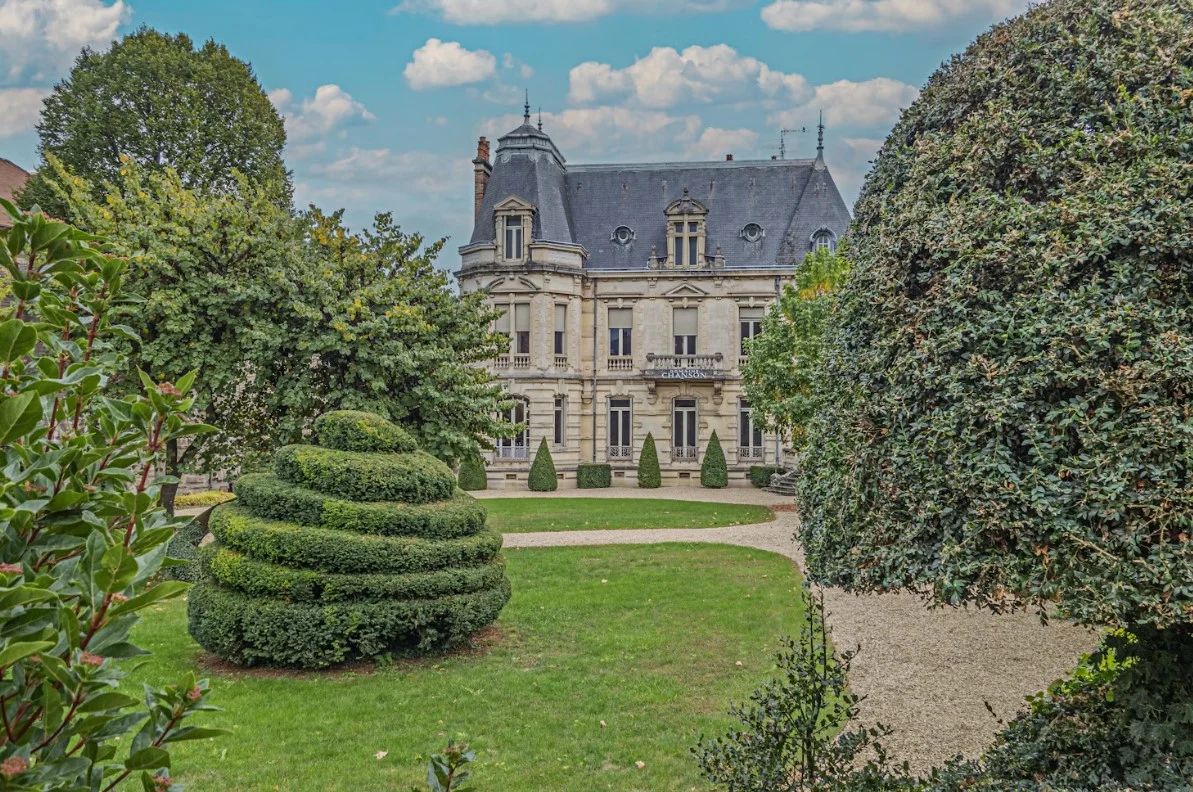
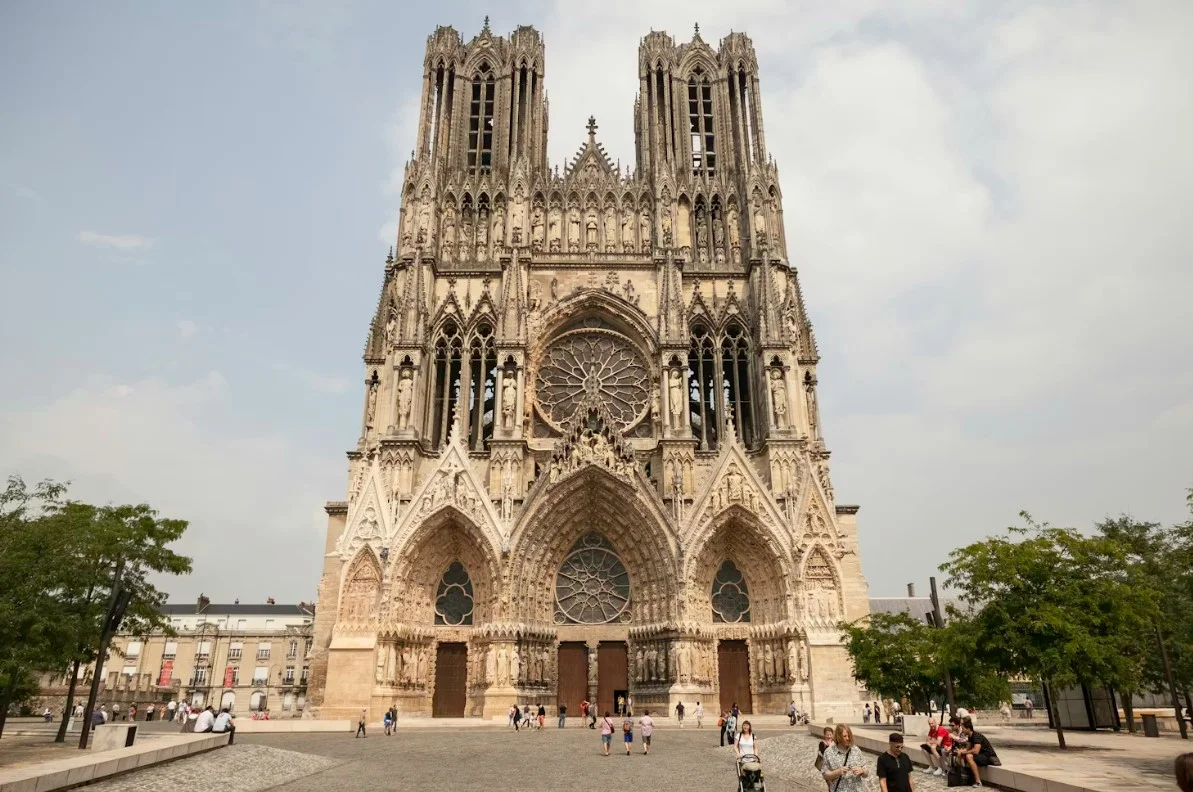
Reims is a city shaped by two powerful legacies: the coronation of French kings and the prestige of Champagne. Its grand cathedral stands at the centre of centuries of royal tradition, while the chalk cellars beneath the city hold some of the world’s most famous sparkling wines. Despite this illustrious past, Reims feels approachable, modern, and easy to navigate.
Wide avenues, elegant squares, and early-20th-century buildings reflect the city’s reconstruction after the First World War. The blend of Gothic architecture, Art Deco style, and a vibrant food-and-wine culture gives Reims a distinctive character within the Champagne region.
Key Attractions:
Notre-Dame de Reims Cathedral: A Gothic masterpiece where most French kings were crowned. Its exterior sculptures and towering nave make it one of the country’s most significant religious monuments.
Palace of Tau: The former residence of archbishops and a key site connected to royal coronations, now a museum with tapestries, treasures, and coronation artefacts.
Saint-Remi Basilica: A large Romanesque-Gothic church with a peaceful abbey complex dedicated to Saint Remigius.
Champagne Houses: Cellars belonging to houses such as Veuve Clicquot, Taittinger, Pommery, and Mumm — many offering guided tours and tastings.
Hôtel de Ville & Place Royale: Elegant squares that anchor the city centre, surrounded by shops, cafés, and statues including one dedicated to Louis XV.
Carnegie Library: A beautifully preserved Art Deco building with a decorative interior.
Foujita Chapel: A small chapel painted by artist Tsuguharu Foujita, known for its delicate frescoes.
Reims-Gueux Circuit: The remains of a historic motorsport track just outside the city, a fascinating site for racing enthusiasts.
Travel Experience
Many travellers reach Reims via Paris, often choosing convenient routes such as taxi from cdg before continuing into the Champagne region. Reims offers a comfortable rhythm: mornings often begin with a walk to the cathedral, where the sculpted façade shifts colour with the sun. From there, visitors drift through the city centre toward markets, shops, and cafés that highlight Champagne-Ardenne flavours. Cellar tours introduce another dimension — descending into chalk tunnels that have stored wine for centuries.
Afternoons may lead to museums, quiet parks, or excursions along vineyard-covered hillsides just beyond the city. The Champagne houses vary in style: some focus on architecture, others on history, others on tasting experiences. Evenings tend to be relaxed, with restaurants offering regional dishes paired naturally with local Champagne.
Why You Should Visit
Reims offers a rare combination of royal heritage and world-famous Champagne culture.
The cathedral alone is one of the greatest Gothic monuments in Europe.
Champagne cellar tours provide an immersive look at a craft perfected over centuries.
The city is easy to explore on foot and works well for both short visits and longer stays.
Reims makes an excellent base for touring the surrounding vineyards and villages of the Champagne region.
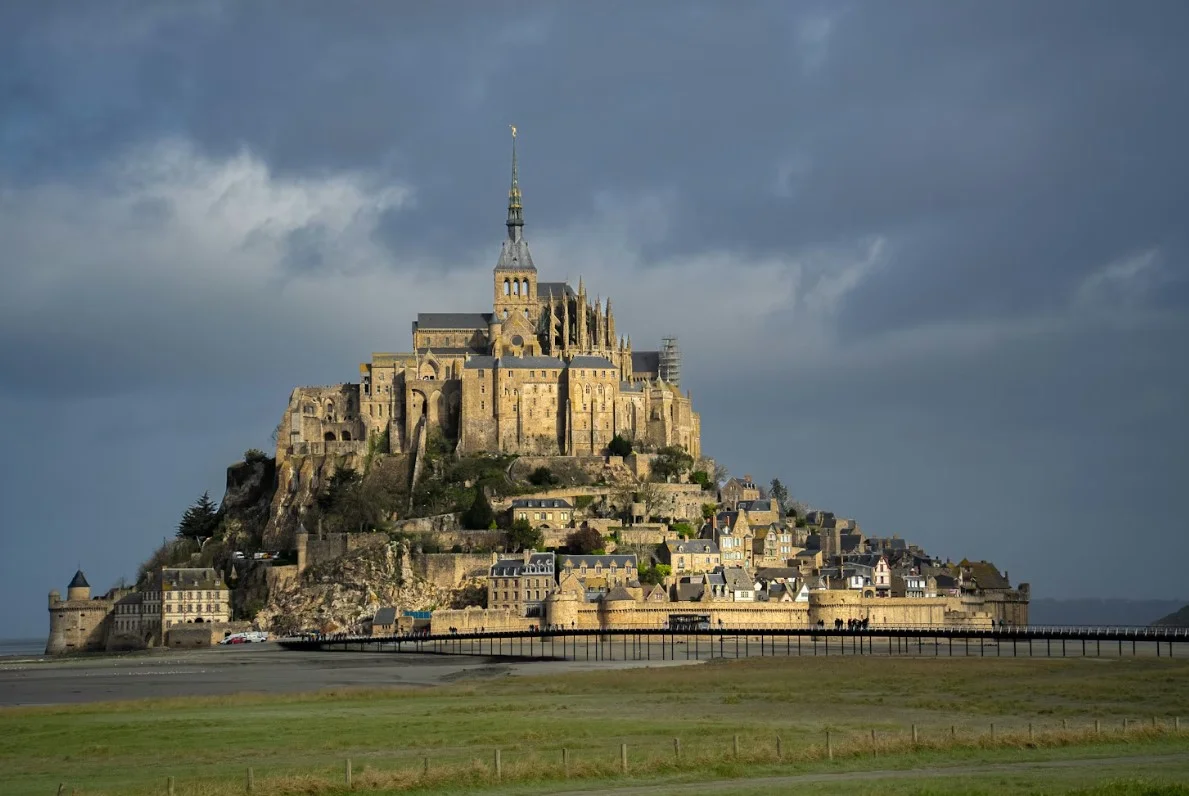
Mont Saint-Michel is one of France’s most recognisable landmarks — a rocky island rising dramatically from tidal sands, crowned by a medieval abbey that seems to float between sea and sky. Located in Normandy, near the border with Brittany, it has served as a place of pilgrimage, fortification, and spiritual refuge for more than a thousand years.
The island is connected to the mainland by a causeway, yet still feels isolated and otherworldly. Its steep streets, stone houses, and fortified walls create a dense vertical village that climbs toward the abbey. Few places in France combine nature and architecture so powerfully.
Key Attractions:
Abbaye du Mont-Saint-Michel: The island’s crowning monument — a Gothic abbey with cloisters, grand halls, chapels, and wide terraces overlooking the bay.
Ramparts and Fortifications: Walkable walls offering open views of the shifting tides and the surrounding landscape.
Grande Rue: The main street leading upward through the village, lined with shops, inns, and historic buildings.
Tidal Bay: One of Europe’s most dramatic tidal ranges, creating landscapes that change hourly — from shimmering water to vast expanses of sand.
La Merveille: The most impressive architectural part of the abbey, built on the northern side and structured in three levels.
Chapelle Saint-Aubert: A quiet chapel set lower on the island, often overlooked by visitors.
Footpaths and Viewpoints: Trails and open areas around the causeway and salt meadows offering stunning views at sunrise and sunset.
Guided Bay Crossings: Traditional walks across the tidal flats (with certified guides) that reveal the scale and nature of the surrounding landscape.
Travel Experience
Many travellers begin their journey through western France by arriving at Nantes, often using taxi nantes airport services before continuing north toward the tidal landscapes surrounding Mont Saint-Michel. Visiting the island is a sensory experience shaped by tides, light, and stone. The approach itself is memorable: the silhouette appears in the distance long before you reach the causeway, rising from a landscape that feels almost mythic.
Once on the island, narrow alleys wind upward, footsteps echo on stone, and the views widen as you climb toward the abbey. The tides change dramatically throughout the day. Sometimes water surrounds the island entirely; at other times, the bay turns into a vast open plain. Travellers often linger to see both states, each offering a different perspective. Evenings are particularly atmospheric — after day visitors leave, the island becomes quieter, and the abbey glows softly above the ramparts.
Why You Should Visit
Mont Saint-Michel is one of France’s most extraordinary architectural sites, blending history and natural drama in a single landmark.
The tides create a landscape that transforms constantly, making each visit unique.
The abbey is a masterpiece of medieval engineering set in a location unlike any other.
Staying overnight offers a rare, peaceful experience once crowds depart.
It is a destination that leaves a lasting impression — not just for its sights, but for the way it feels to stand on the island.
Where Will France Take You Next?
France is a country best explored at your own rhythm — one region at a time, one town at a time, with moments that stay with you long after the journey ends. Whether it’s a coastal escape, a wine-country route or a walk through medieval streets, every corner has something to offer.
And whenever your route takes you from airports to cities, or between regions, AirportTaxis is here to make those transfers easy, comfortable and worry-free.
Your experience on this site will be improved by allowing cookies.