
Dubai is one of the world’s busiest aviation hubs, connecting Europe, Asia, Africa and Australia through a constant flow of long-haul flights. For many travelers, the city is not the final destination but a pause in between — 24 or 48 hours between connections. Used well, that pause can become a compact, memorable experience. Used poorly, it disappears in traffic, queues and unnecessary transfers.
A short stay in Dubai requires more than a list of attractions. The city is spread out, districts are separated by highways, and arrival times often fall in the early hours of the morning. Immigration can take anywhere from 20 minutes to over an hour depending on timing. Traffic patterns shift noticeably between mid-day and evening peak hours. These details shape how much you can realistically see.
This Dubai stopover guide focuses on practical sequencing — where to go first, which areas make sense together, and how airport location influences your plan. Whether you have a single day or two nights in the city, efficiency is not about rushing. It is about choosing correctly from the start.
Two Airports, Two Very Different Arrivals
Before planning neighborhoods or attractions, it is essential to understand where you are landing. Dubai is served by two major airports: Dubai International (DXB) and Al Maktoum International (DWC). They operate very differently in terms of location, traffic exposure and connection to central districts.
DXB is the primary international gateway and sits relatively close to Downtown Dubai, DIFC and Dubai Creek. In light traffic, the drive to central areas can take as little as 15–20 minutes. During peak evening hours, that same route may extend to 30–35 minutes. For most short stays, DXB offers the most efficient access to the city core.
DWC, located in Dubai South, tells a different story. It primarily handles selected international and low-cost carriers and sits considerably farther from established tourist districts. Reaching Marina or Downtown from DWC often requires 40–60 minutes depending on traffic. There is no direct metro connection, which means road transport is the only realistic option.
For many travelers, the best way to get from Dubai airport to city depends entirely on arrival time. A midday arrival at DXB offers multiple choices. A 2:30 a.m. landing at DWC narrows those choices significantly. Understanding this distinction early prevents inefficient hotel bookings and unnecessary transfers later in your stopover.
Immigration timing should also be factored in. While Dubai’s border control is generally efficient, queues fluctuate with flight waves. Expect anywhere from 20 to 60 minutes before exiting the terminal during busy periods.
Read Also: Discover Dubai: The Complete Travel Guide
| Route | Distance | Taxi (Off-Peak) | Taxi (Peak 17:00–19:00) | Metro Availability | Notes |
|---|---|---|---|---|---|
| DXB → Downtown | ~15 km | 15–20 min | 25–35 min | Yes | Fastest access to central landmarks |
| DXB → Marina | ~32 km | 25–35 min | 45–60 min | Yes (longer ride) | Traffic sensitive during evening peak |
| DWC → Marina | ~35 km | 30–40 min | 45–55 min | No direct metro | Road transport only |
| DWC → Downtown | ~55 km | 45–60 min | 60–75 min | Not practical | Longer transfer required |
If You Have 24 Hours in Dubai
Twenty-four hours in Dubai is not about ambition. It is about positioning. You don’t “see Dubai” in a day — you sample it. If you landed at DXB in the morning, cleared immigration without major delays and stepped into the heat before midday, you still have a workable window. Not huge. But enough.
The first mistake people make is trying to zigzag across the city. Dubai is wide. Highways stretch longer than they look on a map. What feels close is often 25 minutes away. So with one day, you move in a curve, not in circles.
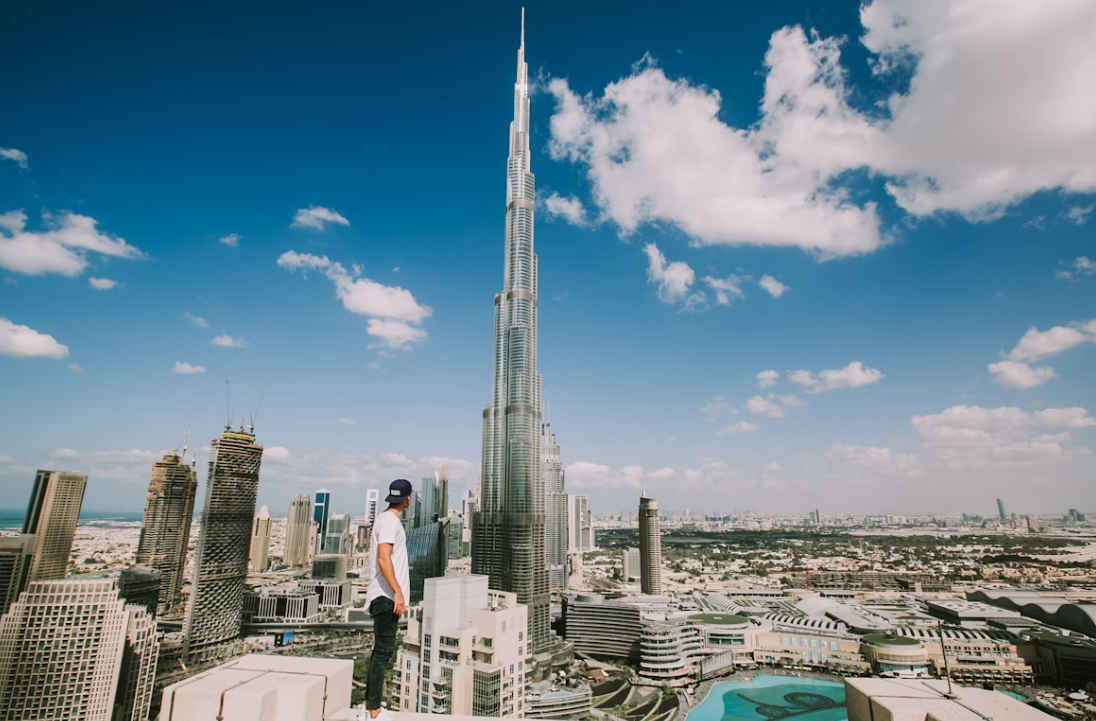
Start in Downtown Dubai. Not because it is the most glamorous — though it can be — but because it is dense. The Burj Khalifa, Dubai Mall and the Opera District sit within a compact radius. You walk. You pause. You look up. You don’t keep checking directions. And that matters more than most travelers expect. The skyline does half the work for you.
Take your time here. Step outside the mall. Stand near the fountains even if it’s not showtime. Let the scale settle in. Dubai is vertical, polished, almost cinematic at this point in the day.
- Burj Khalifa area – quick orientation, skyline impact.
- Dubai Mall surroundings – controlled air-conditioning break, easy food options.
- Opera District streets – slightly quieter, better walking flow.
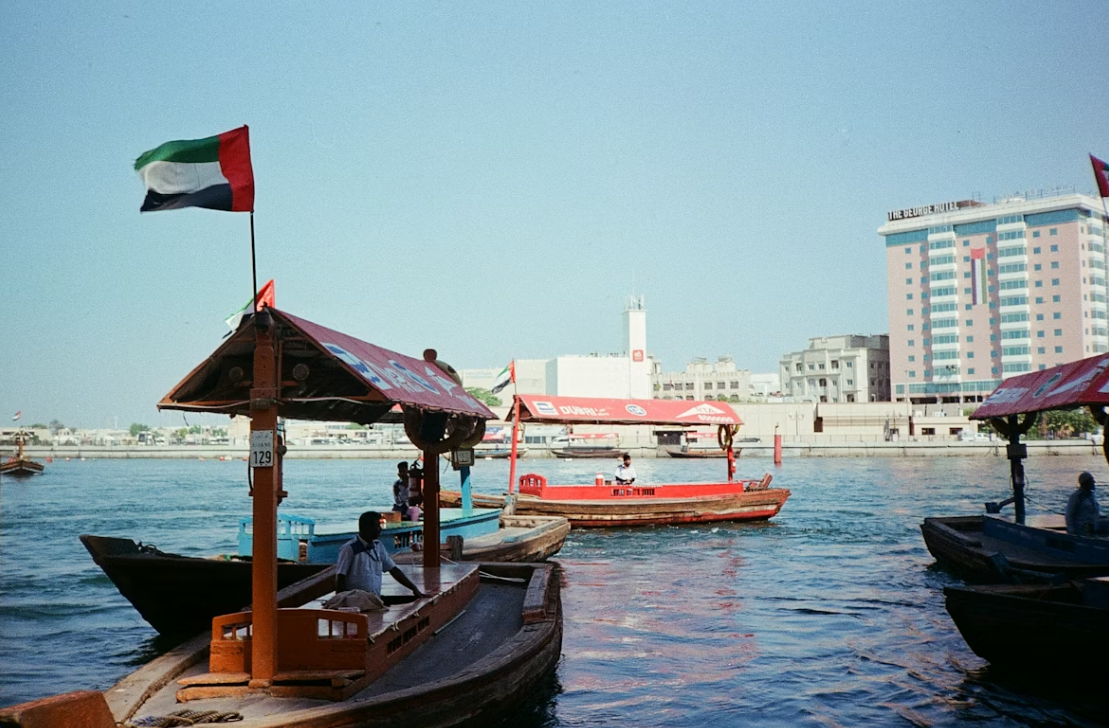
Midday is when distances begin to matter. This is where you shift tone. Move toward Al Fahidi and Dubai Creek. The roads narrow. Wind towers replace glass facades. Abras cross the water slowly, almost casually. The pace changes without announcement. Glass and steel first. Sand-colored history second. The contrast feels intentional, even if your schedule isn’t perfectly precise.
It’s also around this point that poor logistics start showing themselves. A poorly timed arrival can quietly consume 90 minutes. Waiting for transport, hesitating at the curb, recalculating routes. Many short-stay visitors arrange their Dubai airport transfer in advance simply to avoid losing that first stretch of daylight to uncertainty. It isn’t about luxury. It’s about momentum.
By late afternoon, energy shifts again. Evening is best reserved for Marina or Palm Jumeirah — but only if traffic cooperates. Between 17:00 and 19:00, Sheikh Zayed Road slows in ways that feel subtle at first and frustrating later. If you are already central, sometimes it is smarter to stay central. Watch sunset from a higher terrace. Move later, when the roads breathe again.
A metro journey may appear efficient on a map. In practice, platform changes, escalators and longer walks between stations add invisible minutes. Not dramatic, but enough to compress dinner plans or sunset timing.
One day in Dubai works when the city unfolds in a clean sequence. Downtown to Creek. Creek to coastline. Anything more begins to feel like transit instead of travel. And with only 24 hours, you want to remember places — not highways.
Read Also: Airport Taxis - Dubai tourist places
If You Have 48 Hours
Two days change the mood completely. With 48 hours, Dubai stops feeling like a layover and starts feeling intentional. The extra morning matters. The extra evening matters even more. You are not chasing landmarks anymore — you are shaping the pace.
The biggest difference is flexibility. You can move around traffic instead of fighting it. You can leave an area because you feel like it, not because the clock is pushing you. And suddenly districts that felt “too far” during a one-day stay become realistic.
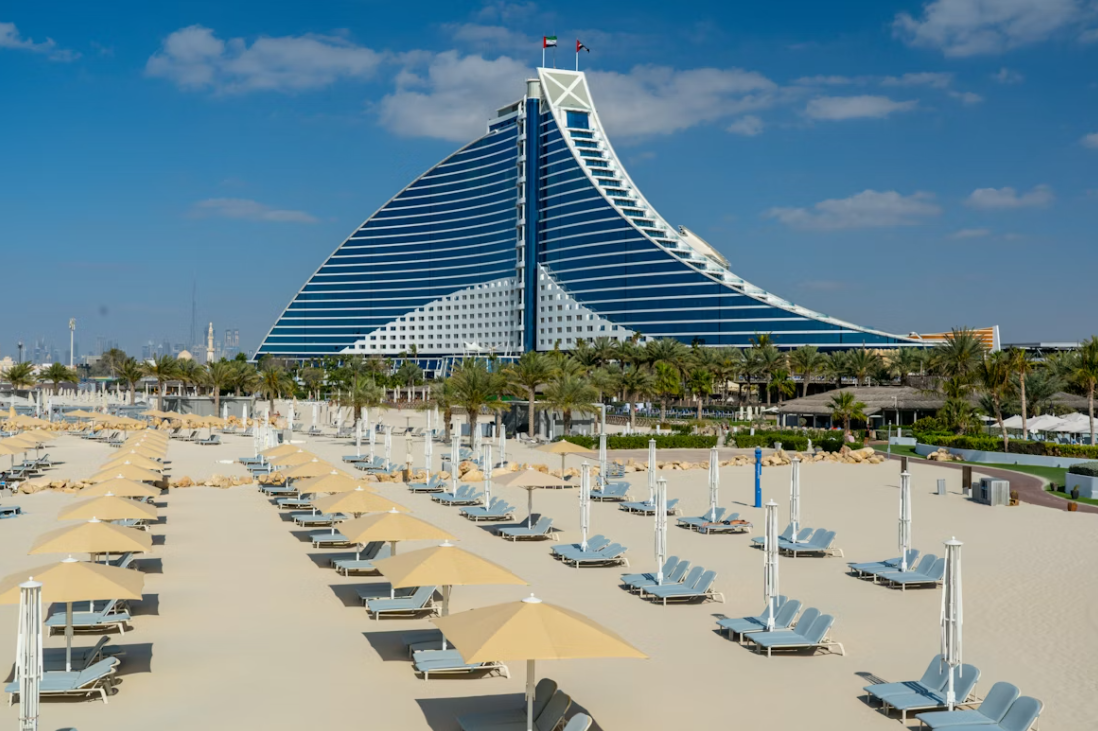
Begin your second morning near the water. Jumeirah Beach works best early. Before 10 a.m., the light is softer, the sand cooler, and the skyline behind you feels less aggressive. It is one of the few areas where Dubai feels almost relaxed. Not sleepy — just less vertical.
Travelers looking into Getting from Dubai Airport to Jumeirah Beach Taxi options often don’t realize how much timing changes the experience. Mid-morning departures are smoother. Late afternoon drives can stretch. The distance is manageable — the traffic is the variable.
- Jumeirah Beach – open coastline, slower pace, strong skyline views.
- Creek Harbour – wide waterfront, cleaner lines, fewer crowds than Marina.
- Dubai Marina – dramatic at night, but traffic-sensitive in late afternoon.
From Jumeirah, shifting toward Creek Harbour adds contrast. The skyline appears broader here, almost spaced out differently. It is less iconic than Downtown, but more breathable. You walk along the waterfront without feeling compressed between towers.
Expo City, formerly District 2020, is still underestimated. The architecture remains bold, slightly futuristic, almost curated. It feels planned in a way that older districts are not. If you are departing from DWC, this zone makes logistical sense. The drive is shorter, less stressful. It feels deliberate rather than improvised.
A desert experience finally becomes realistic with two days. Not rushed. Not squeezed between city transfers. The drive out shifts the atmosphere entirely — highways thin out, buildings disappear, the horizon widens. Returning before peak traffic keeps the rhythm intact. Returning late compresses it.
Forty-eight hours allow breathing room, but they also tempt over-expansion. More neighborhoods. More movement. More “while we’re here” decisions. That is usually where plans begin to fragment.
Restraint still matters. Even with two days. Choose three zones and let them unfold properly instead of trying to stitch the entire map together. Dubai rewards focus. It punishes overreach — quietly, through distance and time.
Where to Stay for a Short Stopover
Accommodation during a short stay in Dubai is not a lifestyle decision first. It is a positioning decision. Many travelers begin by searching where to stay in Dubai for stopover and end up filtering by price or star rating. The more important filter is geography.
Dubai looks compact on a map. It is not. Districts are separated by wide highways, and evening traffic reshapes the city between 17:00 and 19:00. Saving 20 minutes on paper can quietly become losing 50 in practice.
If you land at DXB, Downtown Dubai remains the most efficient base. It compresses landmarks into walkable proximity: Burj Khalifa, Dubai Mall, the Opera District. You move between them without recalculating transport each time. That reduction of friction is what preserves a stopover.
Dubai Marina and JBR offer a completely different atmosphere — water, skyline reflections, open promenades. They work well for longer leisure stays. For 24 hours, however, distance becomes visible. Even calculating the return journey from Dubai Marina to airport the next day can influence how relaxed your final evening feels.
Some travelers default to hotels near Dubai airport, particularly for late arrivals or departures before sunrise. This can be practical, especially when the stopover is under 18 hours. The trade-off is limited walkability and the need for additional transfers if sightseeing is part of the plan.
The rule is simple but rarely stated clearly: proximity saves energy, and energy determines how much you actually experience. Choose a district that shortens movement, not one that lengthens it for aesthetics alone.
Read Also: 7 Common Mistakes When Booking Airport Transfers in Summer and How to Avoid Them
| Area | Best For | Avg Time from DXB | Peak Traffic Sensitivity | Best for 24h | Best for 48h |
|---|---|---|---|---|---|
| Downtown Dubai | First-time visitors, landmark density | 15–20 min | Medium | ✔✔✔ | ✔✔✔ |
| DIFC | Business travelers, central access | 15–20 min | Low | ✔✔ | ✔✔ |
| Dubai Marina | Leisure stays, waterfront atmosphere | 30–45 min | High | ✔ | ✔✔✔ |
| JBR | Relaxed beach stays | 35–50 min | High | ✔ | ✔✔ |
| Dubai Creek | Cultural contrast, quieter base | 20–25 min | Medium | ✔✔ | ✔✔ |
Transport Strategy: What Actually Works
Dubai’s transport system is modern, but short stays demand realism. The metro is clean and predictable, particularly along Sheikh Zayed Road. For travelers with light luggage arriving during daytime hours, it can be efficient between DXB and central districts. The challenge begins when transfers, walking distances and heat exposure enter the equation.
Road transport remains the most flexible option, especially during late-night arrivals or tight departure windows. An airport taxi Dubai is widely available at DXB, and vehicles are regulated and metered. However, availability can fluctuate during peak flight waves between 01:00 and 04:00, when multiple long-haul flights land simultaneously.
Pre-arranged transfers offer a different rhythm. Some travelers prefer confirming their Dubai taxi booking before departure, particularly when landing at DWC where alternatives are limited. This removes uncertainty at the curb and eliminates the need to compare options after a long flight.
Traffic is the final variable. Between 17:00 and 19:00, key arteries slow noticeably. A 25-minute drive can extend beyond 45 minutes without warning. Planning departures outside those windows makes a visible difference, especially when connecting to an international flight.
There is no universal solution. The right choice depends on arrival airport, luggage volume, time of day and how compressed your schedule is. Efficiency in Dubai is rarely accidental. It is chosen.
Realities Most Guides Do Not Mention
Dubai is efficient, but it is not small. Short stays often fail not because of poor intentions, but because of underestimated logistics. A few practical realities shape the experience more than any attraction list:
- Immigration timing fluctuates. Even at DXB, queues can stretch beyond 45 minutes during overlapping flight arrivals.
- Distances are larger than they appear on a map. Marina and Downtown are not interchangeable districts.
- Heat changes mobility. Walking between metro exits and hotels in summer months can feel longer than expected.
- Peak traffic is predictable. Late afternoon and early evening slow main highways consistently.
Frequent travelers moving through Dubai often reduce uncertainty by coordinating their arrival in advance with services such as Airporttaxis, particularly during late-night landings when transport decisions feel heavier than they should. It is less about luxury and more about protecting limited time.
Dubai rewards clarity. A stopover here is not about collecting landmarks. It is about sequencing them correctly. With 24 hours, you experience contrast. With 48, you gain perspective. In both cases, the city works best when movement is intentional rather than improvised.