 Sep 25, 2025 at 6:15 PM
When travelers think of Europe’s most beautiful destinations, Germany is often not the first country that comes to mind. Places like Italy or Switzerland are usually praised for their charm, while cities such as Lisbon or Budapest enjoy a reputation for iconic urban beauty. Rainy, cloudy Germany? Many might say, nein, danke. Yet this impression is misleading. A closer look reveals that Germany offers a rich variety of breathtaking cities and landscapes, combining history, culture, and elegance in a way that surprises many visitors searching for practical details like taxi frankfurt preise before starting their journey.
Germany is a land where fairytale castles, medieval fortifications, and Roman ruins harmoniously blend with lush riversides, mountain backdrops, and modern skylines. Its diverse regions, deep history, and awe-inspiring architecture create a treasure trove of destinations waiting to be explored. From world-famous cultural hubs to lesser-known gems, the country offers far more than most expect.
Take Dresden, with its baroque splendor and artistic pulse, or Heidelberg, where romantic castle ruins rise above cobblestone alleys—each city carries a unique atmosphere. This curated list will guide you through 12 of the most beautiful German cities worth visiting, showing how each place combines heritage, charm, and vibrant local life. Whether you’re a history enthusiast, an art lover, a nature seeker, or simply looking for unforgettable travel experiences, Germany has something to captivate you.
Continue reading to uncover architectural wonders, immerse yourself in traditions, and discover why Germany’s cities deserve a spot on your travel map every bit as much as Europe’s more famous destinations.
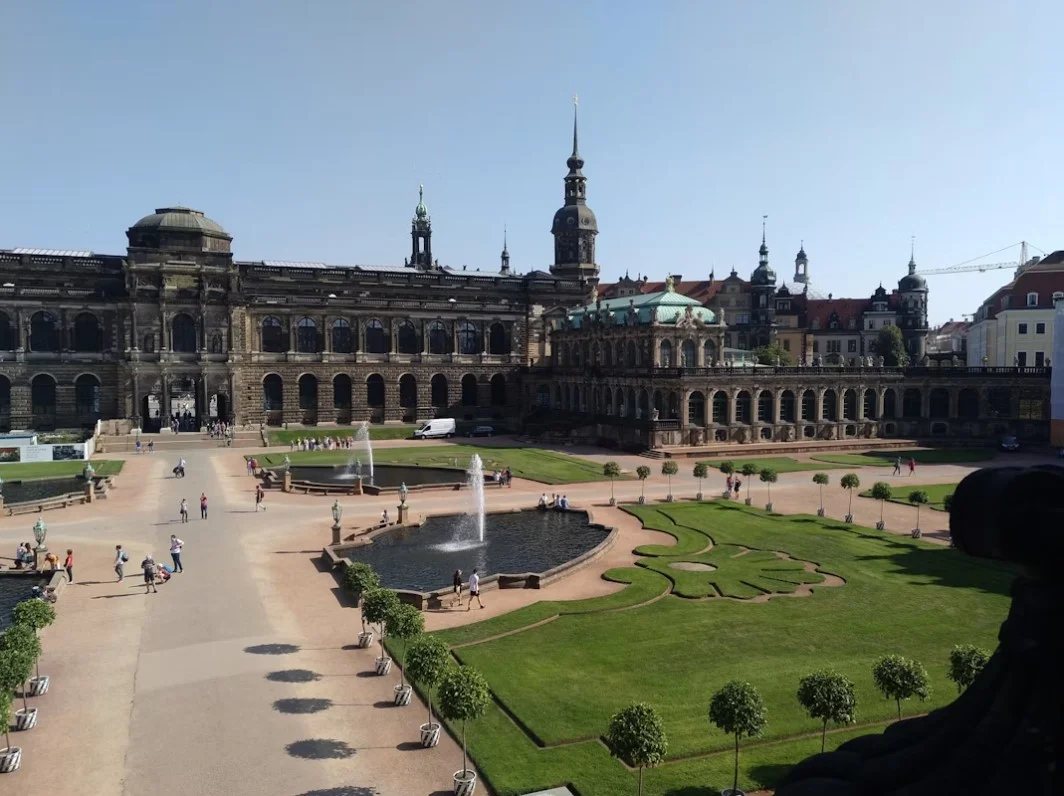
Dresden
Known for centuries as the “Florence of the North,” Dresden is a city that effortlessly combines history, art, and resilience. Its story is one of tragedy and triumph: much of the historic center was reduced to rubble during the bombings of World War II, yet the painstaking reconstruction that followed brought many of its treasures back to life. Today, Dresden stands as both a living museum and a thriving modern city. Walking through the Altstadt, or Old Town, feels like stepping into a grand open-air gallery, where every square and street corner reveals another masterpiece of European architecture.
One of the most striking landmarks is the Frauenkirche, a Protestant church whose dome now dominates the skyline. Once left in ruins as a war memorial, it was meticulously rebuilt and reopened in 2005 as a symbol of reconciliation. Its pale sandstone exterior glows warmly in the sun, while the interior, with its delicate pastel hues of pink and blue, radiates a sense of peace and hope. Just a short stroll away lies the Semperoper, Dresden’s world-famous opera house, where music lovers can attend performances in one of Europe’s most beautiful concert halls. Together, these monuments represent the cultural heart of Dresden and showcase the city’s dedication to preserving its heritage.
No visit would be complete without exploring the Zwinger Palace, a baroque masterpiece that rivals Europe’s finest royal residences. Designed with sweeping courtyards, fountains, and elaborate sculptures, it embodies the grandeur of Saxon rulers. Today, the palace houses a collection of museums, including the renowned Porcelain Collection, curated under Augustus the Strong. His passion for porcelain knew no limits; some of the pieces are monumental in scale, and the whimsical life-sized porcelain animals he commissioned remain a highlight for visitors. The palace gardens, with their manicured lawns and seasonal flowers, offer the perfect setting for a leisurely walk, blending art with nature in true baroque style.
Beyond its landmarks, Dresden is a city of contrasts. The Elbe River flows gracefully through the center, dividing the historic Altstadt from the vibrant Neustadt. While the Old Town impresses with grand architecture and centuries of history, the New Town offers a more bohemian spirit with trendy cafés, colorful street art, and lively nightlife. Together, they create a city that is not only beautiful but also full of energy and diversity, making Dresden a destination that surprises and enchants every traveler.
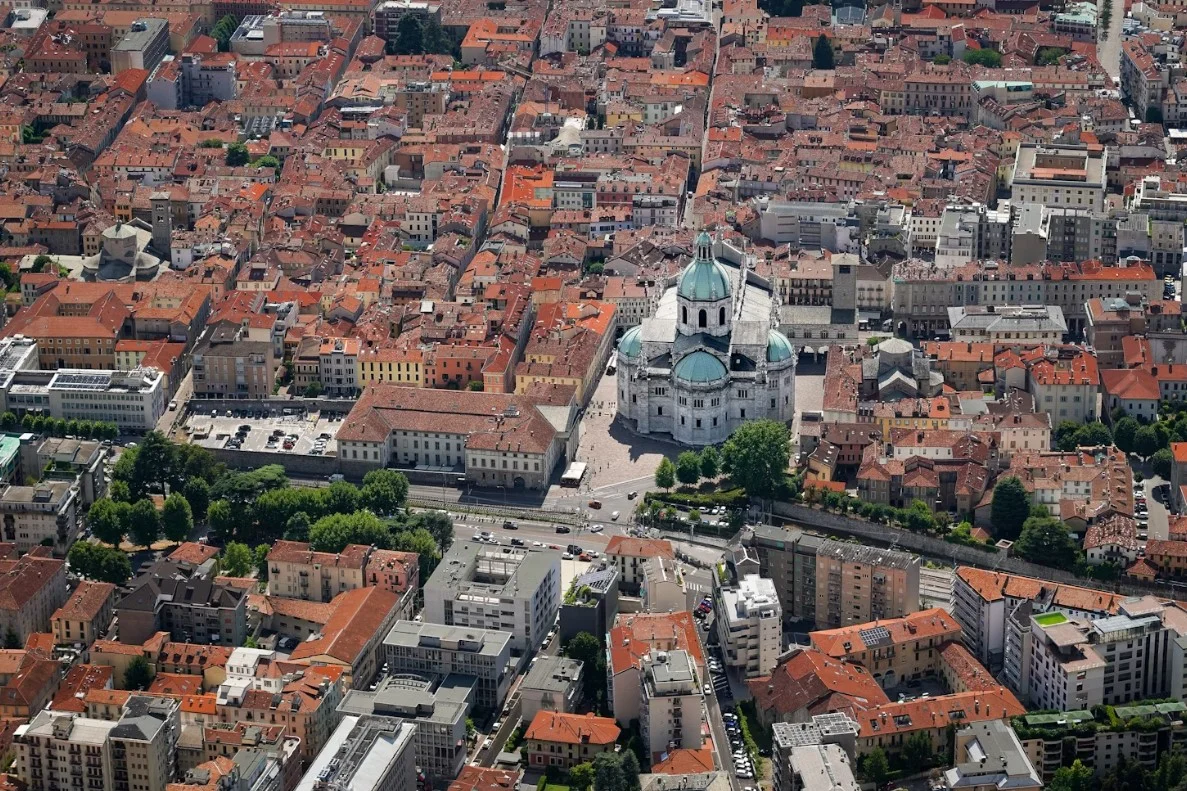
Leipzig
Leipzig is often described as one of Germany’s most dynamic cultural hubs, a city where history, architecture, and creativity are woven together in remarkable harmony. Unlike many other German cities, central Leipzig emerged from World War II with relatively little destruction, largely because it was known as a university town rather than a major industrial or military target. As a result, much of its original architecture has been preserved, allowing visitors today to admire colorful Renaissance facades, grand market squares, and beautifully restored churches that retain their centuries-old charm.
At the heart of the city lies the bustling Marktplatz, a square framed by elegant buildings and crowned with a distinctive astronomical clock tower that becomes a natural gathering point for locals and travelers alike. Just a short walk away stands the St. Nicholas Church, one of Leipzig’s most famous landmarks. Behind its unassuming exterior is a pastel-colored interior richly decorated with stucco ornaments and soaring columns, a place that played a historic role during the Peaceful Revolution of 1989, when mass demonstrations here helped lead to the fall of the Berlin Wall.
Leipzig’s reputation, however, goes far beyond architecture. This is a city steeped in the traditions of music and art. It was once home to Johann Sebastian Bach, Felix Mendelssohn, and Richard Wagner, and it continues to honor that heritage through its thriving performance scene. The Gewandhaus Orchestra, considered the world’s oldest civic orchestra, still fills the city with world-class performances, while the famous St. Thomas Church, where Bach once worked as a choirmaster, offers an unforgettable connection to the composer’s legacy. Art lovers will also appreciate the Spinnerei, a former cotton mill now transformed into one of Europe’s largest centers for contemporary art.
Beyond culture, Leipzig invites exploration through its many hidden corners. The Altstadt, or Old Town, is laced with pedestrian-friendly passageways that reveal chic cafés, boutique shops, and atmospheric restaurants tucked behind historic facades. Two of the most enchanting arcades are the Mädler Passage and Specks Hof, both architectural gems filled with elegant details and vibrant storefronts. Wandering through these passages is like uncovering a secret city within the city—an experience that perfectly captures Leipzig’s blend of tradition and modern energy.
Görlitz
Görlitz is often described as a town straight out of a film set—and with good reason. Its perfectly preserved old town, colorful facades, and cobblestone streets have made it a favorite location for international filmmakers. Blockbusters such as Wes Anderson’s The Grand Budapest Hotel, Quentin Tarantino’s Inglourious Basterds, The Monuments Men, and The Book Thief were all shot here. This cinematic charm has earned the city the playful nickname “Görliwood.” Visitors can even follow a dedicated Walk of Fame tour, which highlights filming locations and shares stories behind the productions that brought Hollywood to this corner of Saxony.
What makes Görlitz so unique is that the town itself is the attraction. There is no single monument or landmark that defines it; instead, the entire cityscape feels like an open-air museum. Wandering through the streets reveals a tapestry of pastel-painted houses, Renaissance and baroque architecture, and elegant towers that rise above the skyline. At almost every turn, there is a picture-perfect view: quaint squares lined with historic townhouses, quiet courtyards where church bells echo, and intricate details that seem frozen in time. This sense of authenticity gives Görlitz a special atmosphere rarely found in other towns of its size.
Adding to its charm is the unique cultural mix shaped by Görlitz’s location on the German-Polish border. The city lies directly on the Neisse River, with its Polish twin city Zgorzelec just across a pedestrian bridge. This makes Görlitz a place where two cultures meet seamlessly, offering visitors the chance to experience both German and Polish influences in one visit. Small cafés and restaurants serve a blend of regional flavors, while local markets often feature specialties from both sides of the border.
Among the culinary highlights is the regional dish known as Silesian Heaven (“Schlesisches Himmelreich”), a surprisingly delicious sweet-and-savory stew. It combines lightly smoked pork with seasonal fruits such as apricots, plums, and apples, slowly cooked in a creamy sauce. The result is a dish that reflects the town’s historic ties to Silesia and its tradition of balancing hearty flavors with subtle sweetness. Sampling it in a traditional tavern is a must for those who want to taste the true essence of local cuisine.
Whether you’re drawn by its cinematic reputation, its architectural beauty, or its borderland character, Görlitz remains one of the most picturesque small towns in Germany. Its streets invite aimless strolling, its façades tell stories of centuries past, and its charm lingers long after you leave.
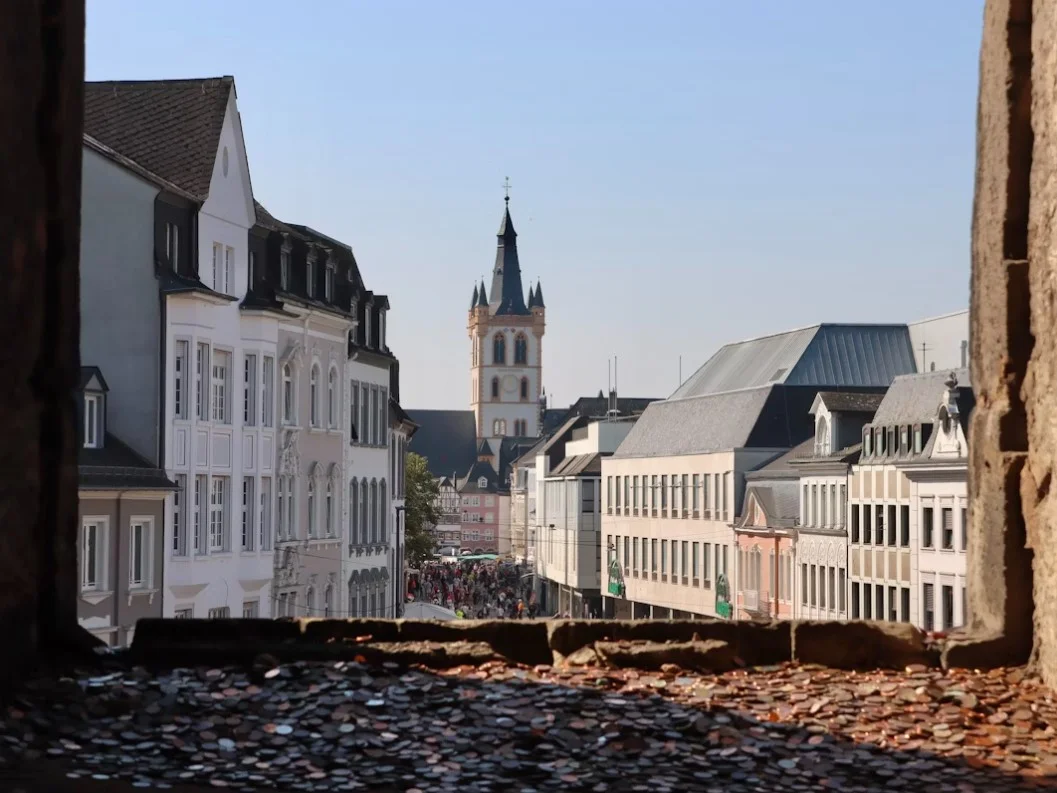
Trier
Trier proudly holds the title of Germany’s oldest city, with a history that stretches back more than 2,000 years to Roman times. Founded around 16 BC, it quickly grew into one of the most important administrative centers of the Roman Empire north of the Alps. Today, its ancient legacy is visible at every turn, with a concentration of UNESCO World Heritage Sites that make Trier a true open-air museum of antiquity. The most iconic of these is the Porta Nigra, a massive sandstone gate whose imposing silhouette has stood for centuries as a symbol of the city’s Roman past. Equally impressive are the Imperial Baths, where you can imagine the grandeur of Roman leisure culture, and the amphitheater, once a venue for gladiatorial games that still stirs the imagination of visitors.
Another highlight is the Basilica of Constantine, also known as the Aula Palatina. Built in the early 4th century, it reflects the scale and ambition of Roman architecture, with its soaring brick walls and vast interior space designed to demonstrate imperial power. Together, these landmarks make Trier a must-visit destination for anyone interested in ancient history and archaeology. Yet the city does not live in the past alone—its modern energy blends seamlessly with its historical roots, offering travelers a balance of culture, charm, and vibrant everyday life.
Set on the scenic banks of the Moselle River, Trier is also a gateway to one of Germany’s most enchanting wine regions. The surrounding Mosel Valley is renowned for its steep vineyards that produce world-class Riesling wines. From Trier, visitors can easily embark on wine-tasting tours, explore charming riverside villages, or take a leisurely boat cruise that offers panoramic views of terraced hillsides dotted with castles. Walking or cycling along the riverbank reveals picturesque landscapes that shift beautifully with the seasons, from blossoming spring greenery to the golden hues of autumn harvest.
Beyond its Roman ruins and vineyards, Trier is a lively university city with bustling squares, traditional taverns, and cultural festivals that keep its streets animated throughout the year. The Hauptmarkt, lined with colorful buildings and crowned by a Renaissance fountain, is the perfect place to soak in the city’s atmosphere. Cafés spill out onto the cobblestones, while local shops offer everything from regional wines to handcrafted souvenirs. This blend of history, nature, and modern vibrancy ensures that Trier is not only the oldest city in Germany, but also one of its most rewarding to explore.
Mainz
Mainz, the capital of Rhineland-Palatinate, is a city that instantly charms visitors with its warm red sandstone architecture and riverside setting along the Rhine. Much of the old town is built with this distinctive stone, giving the streets a cohesive and photogenic character that makes Mainz a favorite among photographers and travelers alike. Narrow cobblestone lanes lead to picturesque squares filled with lively cafés, while pastel-colored facades provide endless backdrops that capture the spirit of this historic city.
Mainz is also a treasure trove of cultural and historical attractions. The Roman-Germanic Central Museum, housed in the former Electoral Palace, preserves some of the most significant artifacts from Roman history in the region, reflecting Mainz’s importance as a Roman military stronghold. Here, visitors can explore sculptures, mosaics, and everyday objects that provide a fascinating window into life two millennia ago. Another highlight is the Museum of Ancient Seafaring, which features full-scale replicas of Roman galleon ships. Walking among these reconstructed vessels gives a vivid sense of how Roman trade and naval power once shaped the Mediterranean world and beyond.
Yet Mainz is perhaps most famous as the birthplace of Johannes Gutenberg, the inventor of the movable-type printing press. The Gutenberg Museum celebrates his groundbreaking contribution to human history, offering displays that trace the story of printing from its earliest days to its global impact. Visitors can admire original Gutenberg Bibles, observe historic printing techniques, and gain insight into how this innovation transformed communication, culture, and education across the world. For many, the museum alone makes Mainz worth a stop on any German itinerary.
Complementing its museums and monuments, Mainz has a vibrant, welcoming atmosphere shaped by its status as a university city and a center of wine culture. The Rhine promenade offers scenic walks with views of passing boats, while traditional taverns invite guests to sample local specialties and the region’s celebrated wines. Combined with its rich heritage, Mainz offers the perfect balance of history, culture, and modern life, ensuring that every visit feels both enriching and memorable.
Heidelberg
Set along the scenic banks of the Neckar River, Heidelberg is often considered one of the most picturesque cities in all of Germany. Nestled at the edge of the Odenwald forest, it serves as a charming gateway to the Black Forest region and combines natural beauty with centuries of history. Unlike many other German cities, Heidelberg survived World War II with little damage, which means much of its historic architecture remains intact. Strolling through the Altstadt, or Old Town, visitors are greeted by colorful stucco facades, half-timbered houses, and winding streets that reflect the timeless character of the city.
The heart of Heidelberg’s old town is dominated by the Church of the Holy Spirit, a landmark Protestant church located on the bustling Marktplatz. Its soaring spire is visible from many corners of the city, while its interior offers a sense of solemnity and grandeur. Nearby, the Old Bridge (Alte Brücke) gracefully spans the Neckar River, framed by towers and offering some of the best views of the city and its hillside castle. Crossing this bridge is one of the quintessential experiences of Heidelberg, especially at sunset when the city glows in soft golden light.
Above the town rises the famous Heidelberg Castle, the city’s most iconic attraction. Built over several centuries under different rulers, the castle complex is a fascinating blend of architectural styles, ranging from Gothic to Renaissance. Its pink sandstone walls are striking against the green hillside, and its ruined yet majestic silhouette has inspired countless artists, poets, and travelers. While access to the interior is only possible with a guided tour, visitors can freely explore the castle’s terraces, gardens, and courtyards, which offer panoramic views over the Neckar Valley and the rooftops of the old town below.
Heidelberg’s reputation, however, goes beyond monuments alone. As a renowned university city, it is infused with youthful energy and intellectual tradition. Founded in 1386, Heidelberg University is the oldest in Germany, and its influence is still felt in the lively atmosphere of student cafés, bookshops, and lecture halls scattered throughout the city. Festivals, open-air concerts, and cultural events give Heidelberg a vibrant rhythm, making it a place where history and modern life coexist in harmony. This balance of heritage, academic spirit, and natural beauty ensures that Heidelberg continues to enchant visitors from all over the world.
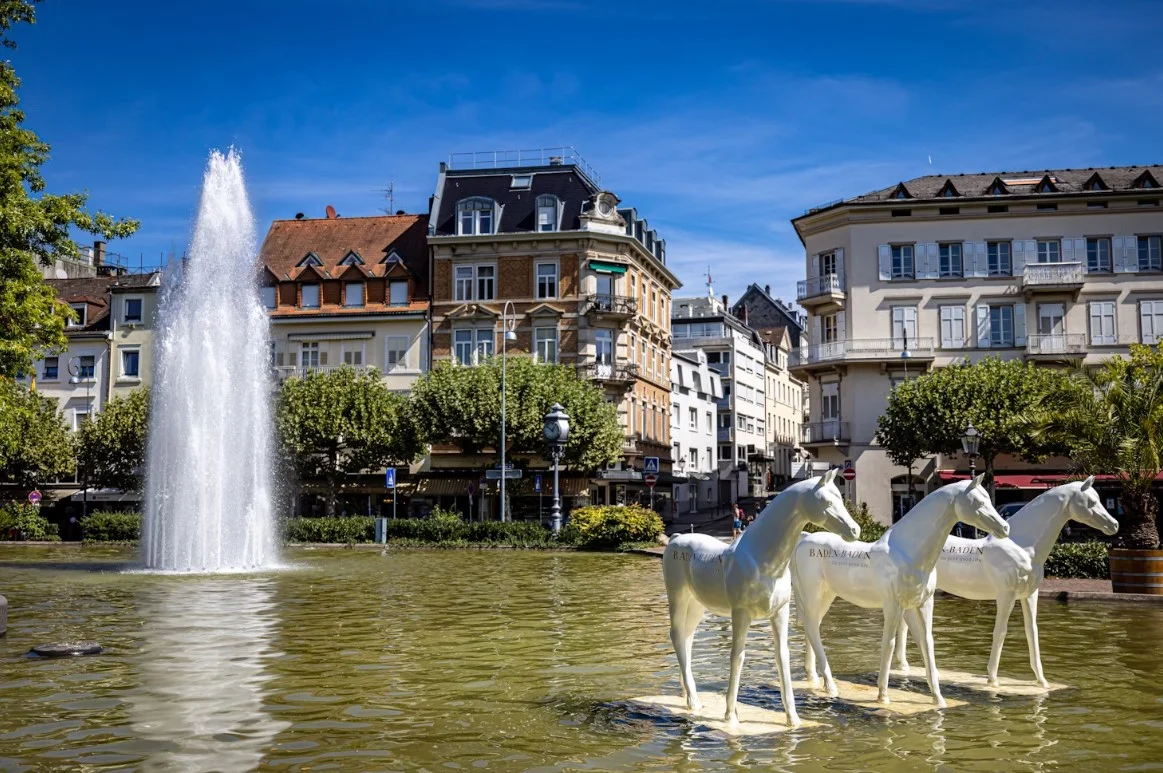
Baden-Baden
Baden-Baden, whose name literally means “to bathe, to bathe,” is the crown jewel of Germany’s spa towns and one of the most elegant destinations in the Black Forest. Its reputation as a wellness retreat goes back nearly two thousand years, when the Romans first discovered the region’s hot springs and built baths around them. Today, Baden-Baden continues this tradition, blending ancient heritage with modern luxury. The city exudes sophistication, with tree-lined boulevards, boutique hotels, and high-end shops creating an atmosphere that feels both timeless and exclusive. The Kurhaus, a neoclassical landmark, and its famous casino add to the city’s refined charm, attracting visitors from across the world who come in search of both relaxation and culture.
The mineral-rich waters are at the heart of Baden-Baden’s appeal. Rich in calcium, magnesium, and other healing elements, the springs are said to offer therapeutic benefits for the skin, joints, and overall well-being. Two of the most popular spas are Friedrichsbad and Caracalla Spa, both conveniently located in the center of town. Friedrichsbad, opened in 1877, combines Roman bathing traditions with 19th-century elegance. Guests can still see remnants of the ancient Roman baths within its walls, creating a unique experience that bridges past and present. Caracalla Spa offers a more modern interpretation of the spa culture, with sprawling pools, outdoor Finnish saunas, a swim-up bar, and numerous relaxation areas that invite hours of indulgence.
Baden-Baden is not only about its healing waters—it is also a city of culture and leisure. The Festspielhaus, one of Europe’s largest opera and concert houses, draws world-renowned performers in classical music, ballet, and opera. The city’s art museums, such as the Museum Frieder Burda, highlight contemporary collections set against striking modern architecture. Beyond the cultural highlights, the surrounding Black Forest provides a natural playground of trails, vineyards, and panoramic viewpoints. Whether enjoying a scenic hike, a gourmet meal in a Michelin-starred restaurant, or simply a stroll along the Lichtentaler Allee—a leafy park promenade lined with sculptures and flowerbeds—Baden-Baden offers a lifestyle of wellness and refinement.
With its unique blend of history, luxury, and nature, Baden-Baden has long been a destination for aristocrats, artists, and travelers seeking rest and inspiration. It remains one of Germany’s most enchanting cities, a place where relaxation is elevated into an art form and where every visitor can experience the timeless allure of spa culture in its purest sense.
Southern Germany
Bavaria, Germany’s largest and most southern state, is a region overflowing with charm, tradition, and natural beauty. Known for its alpine landscapes, medieval towns, and lively festivals, Bavaria offers countless destinations that feel like they belong in a storybook. While the list of places worth visiting could easily be much longer, the following five cities stand out for their history, architecture, and unmistakable Bavarian character. Each one provides a different glimpse into the cultural richness of southern Germany, making them essential stops for any traveler eager to experience the heart of the region.
Bamberg
The city of Bamberg is so remarkably well-preserved that the entire old town has been recognized as a UNESCO World Heritage Site. Dating back to the 11th century, Bamberg is often described as one of Germany’s most beautiful small cities, and with good reason. The River Regnitz flows directly through the center, dividing the city into three main districts, each with its own distinct atmosphere. Walking along the riverbanks, visitors are greeted with a harmonious mix of Romanesque, Gothic, and Baroque architecture, narrow cobblestone lanes, and rows of half-timbered houses that appear untouched by time.
One of Bamberg’s most striking landmarks is the Bamberg Cathedral, a towering structure whose spires dominate the skyline. Inside, visitors can admire centuries-old works of art, including the famous Bamberg Horseman statue. Another must-see is the Altes Rathaus, or Old Town Hall, which sits dramatically on a bridge spanning the Regnitz. Adorned with intricate frescoes, it looks almost like something lifted from a fairytale illustration. Around every corner, Bamberg offers surprises—from small hidden courtyards to panoramic viewpoints over the rooftops of the old town.
No visit to Bamberg is complete without experiencing its legendary beer culture. The city is home to nine historic breweries and dozens of cozy taverns, many of which serve the city’s iconic Rauchbier, or smoked beer. This specialty is made by drying the malted barley over open wood fires, giving the beer a distinctive flavor reminiscent of a campfire. It may sound unusual, but it has been a cherished tradition for centuries, and tasting it in Bamberg is a true rite of passage for beer enthusiasts. Beyond smoked beer, Bamberg’s brewing culture includes a wide variety of local styles, making the city a paradise for those eager to explore Germany’s beer heritage.
Beyond its monuments and breweries, Bamberg is also a living city filled with energy. Its market squares bustle with activity, university students give it a youthful atmosphere, and seasonal festivals bring music, food, and color to the streets. Whether you are wandering through its medieval alleys, enjoying the view from one of its seven hills, or sampling traditional Franconian cuisine, Bamberg offers a blend of history and hospitality that captures the very essence of Bavaria.
Rothenburg ob der Tauber
Rothenburg ob der Tauber is one of the most enchanting towns in Germany, a place where time seems to stand still and history lives on in every detail. With its cobblestone streets, half-timbered houses, and perfectly preserved medieval walls, it feels like stepping directly into the pages of a storybook. The city’s romantic character and fairy-tale charm have made it one of the most photographed destinations in the country, and for good reason—wherever you point your camera, there is a scene that looks like it belongs on a postcard.
The old town is Rothenburg’s greatest treasure. Encircled by a continuous line of fortified walls, it invites visitors to walk almost the entire perimeter of the city while enjoying sweeping views of red-roofed houses, church spires, and the picturesque Tauber River valley below. Within the walls, the Marktplatz forms the heart of the town, surrounded by colorful buildings and lively squares. The Renaissance-style Town Hall (Rathaus) stands proudly here, with its elegant arcades and striking tower. A climb to the top rewards you with panoramic vistas across the medieval rooftops and the surrounding countryside, an unforgettable highlight of any visit.
Another landmark is the imposing St. Jakob’s Church, famous for its intricate wooden altarpiece carved by Tilman Riemenschneider, one of Germany’s greatest master sculptors. Inside, the church offers a quiet atmosphere that contrasts with the lively streets outside. Meanwhile, wandering through Rothenburg’s alleys reveals countless architectural gems, from pastel-painted townhouses to hidden courtyards decorated with flowers. At dusk, when lanterns begin to glow, the city takes on an almost magical quality, as if the medieval walls themselves are whispering stories of centuries past.
Rothenburg is not only about history and architecture—it is also a town alive with traditions. Seasonal festivals, such as the famous Christmas Market, transform the streets into a winter wonderland filled with music, lights, and the aroma of mulled wine. Visitors can also sample local specialties, including the Schneeball, a sweet pastry unique to the region. Whether you are a history enthusiast, an admirer of medieval craftsmanship, or simply looking for a destination that feels truly timeless, Rothenburg ob der Tauber offers an experience that is as unforgettable as it is magical.
Würzburg
Würzburg is a city that perfectly embodies the resilience and creativity of Germany. Nearly 90% destroyed during World War II, it has risen from the ruins with remarkable care and dedication. Today, it offers a captivating blend of old-world elegance and modern vitality. Walking through its rebuilt streets and squares, you can still sense the city’s layered history, from medieval roots to baroque grandeur, alongside contemporary energy that comes from being both a university town and a cultural hub of Franconia.
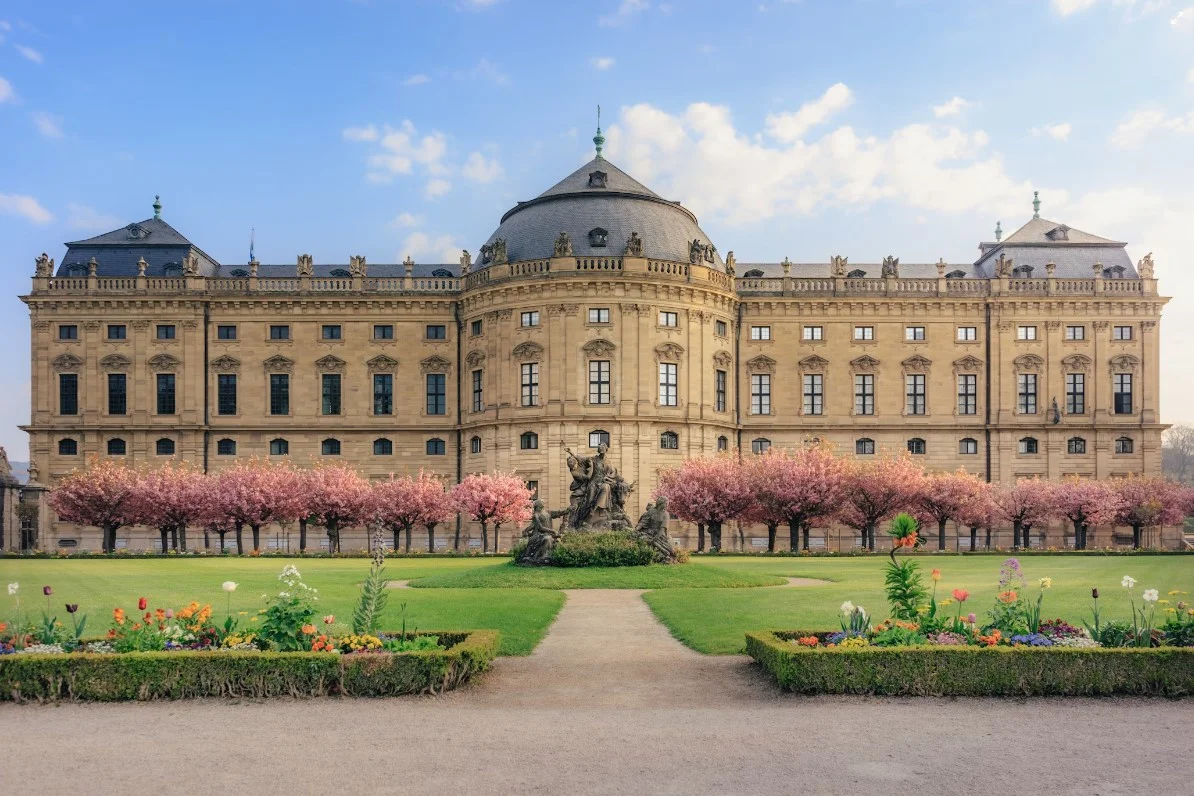
At the heart of Würzburg’s heritage stands the magnificent Residenz, one of Europe’s most stunning baroque palaces and a designated UNESCO World Heritage Site. Once the residence of the powerful prince-bishops, the palace dazzles with its ornate halls, frescoes by Giovanni Battista Tiepolo, and grand staircase that is considered a masterpiece of baroque design. The surrounding court gardens, meticulously landscaped with fountains, sculptures, and flowerbeds, provide a serene escape and one of the best photo spots in the city. This architectural gem alone makes Würzburg a must-visit destination for lovers of art and history.
Equally iconic is the Alte Mainbrücke, or Old Main Bridge. Adorned with statues of saints and offering sweeping views of the River Main and the vineyards that rise on the surrounding hills, it is a favorite spot for both locals and visitors. Many enjoy standing on the bridge with a glass of Franconian wine in hand, a tradition that has become one of Würzburg’s most cherished experiences. The city’s deep connection to wine is everywhere: from centuries-old wine cellars beneath historic buildings to annual wine festivals that celebrate the region’s world-renowned production.
Beyond its landmarks, Würzburg boasts a lively cultural life. Its theaters, museums, and concert halls host a wide range of performances, while the presence of the university adds youthful energy to the city’s cafés, bars, and music scene. Seasonal events, from classical concerts in the Residenz to vibrant street festivals, fill the calendar and highlight the city’s enduring passion for the arts. Whether admiring baroque palaces, savoring local wine, or simply strolling along the river, Würzburg offers a timeless charm that reflects both its turbulent history and its triumphant rebirth.
Nuremberg
Nuremberg is a city where history feels tangible at every step, thanks to its remarkably well-preserved medieval Old Town. Enclosed by ancient walls and towers, the city is a treasure trove of heritage that invites visitors to explore its winding cobblestone streets, hidden courtyards, and charming half-timbered houses. At its heart rises the impressive Nuremberg Castle, perched on a hilltop with sweeping views of the rooftops below. This fortress, home to emperors of the Holy Roman Empire, now houses the Kaiserburg Museum, where travelers can discover the city’s royal legacy and its role in shaping European history. The combination of architectural splendor and historical depth makes Nuremberg one of Bavaria’s most compelling destinations.
Wandering through the Old Town reveals a wealth of detail: ornate fountains, bustling market squares, and churches that have stood for centuries. Among these, the Gothic St. Lorenz Church and the Frauenkirche, with its striking façade overlooking the main square, stand as enduring symbols of the city’s faith and artistry. The atmosphere of the Old Town is both lively and intimate, blending everyday life with the echoes of the past. Street cafés, artisan shops, and traditional taverns create a balance between the medieval backdrop and the vibrant rhythm of a modern city.
Nuremberg is equally celebrated for its cultural scene, particularly during the festive season. The world-famous Christkindlesmarkt, held annually in December, transforms the main square into a dazzling Christmas wonderland. Dating back to the 16th century, it is one of Germany’s oldest holiday markets and remains a highlight of winter travel in Europe. Visitors can stroll among wooden stalls decorated with lights and garlands, savor seasonal treats like spiced Lebkuchen gingerbread, and warm up with mulled wine while enjoying carols and performances. The festive spirit makes Nuremberg an unforgettable destination during the holiday season, drawing travelers from all over the world.
Food is another of Nuremberg’s delights. The city is famous for its Nürnberger Rostbratwürste, small grilled sausages traditionally served with sauerkraut or potato salad. Pairing these local specialties with regional beer is a must for anyone wanting to taste Franconian hospitality. Combined with its history, architectural beauty, and vibrant cultural calendar, Nuremberg offers visitors an experience that is both timeless and engaging, making it one of the most rewarding cities to explore in southern Germany.
Freiburg im Breisgau
Freiburg im Breisgau, often described as the capital of the Black Forest, is a city that perfectly balances medieval heritage with a forward-looking, eco-friendly spirit. Known for its sunshine, youthful energy, and alternative vibe, Freiburg has consistently been ranked among Germany’s most liveable cities. It is also frequently cited as one of the happiest places to live in the country, thanks to its relaxed atmosphere, sustainable urban planning, and abundance of green spaces. As a thriving university city, Freiburg exudes creativity and intellectual vitality, while its historic roots give it a sense of timelessness that makes exploring its streets a delight.
The charm of Freiburg lies in its Altstadt, or Old Town, where narrow alleys, leafy squares, and colorful townhouses create a picturesque backdrop for everyday life. A distinctive feature of the city is its network of Bächle, small water-filled channels that run through the streets. Originally designed in the Middle Ages for fire prevention and water supply, today they add to the city’s unique character and are especially popular with children who float toy boats along them. Spending an afternoon wandering aimlessly through these historic streets is one of the best ways to experience Freiburg’s authentic charm.
The city’s most iconic landmark is the Freiburger Münster, a towering Gothic cathedral that rises 116 meters above the city. Its intricate spire, detailed façades, and impressive stained-glass windows make it one of the finest examples of Gothic architecture in Germany. Visitors can step inside to admire its vast interior or climb the tower for sweeping views of the Black Forest and the Rhine plain. Around the cathedral, the Münsterplatz comes alive with local markets, where fresh produce, regional delicacies, and traditional crafts bring color and vibrancy to the square throughout the week.
Freiburg also preserves reminders of its medieval past with two of its original city gates: the Martinstor and the Schwabentor. Dating back to the 12th and 13th centuries, these fortified towers once formed part of the city’s defensive walls and today stand as proud symbols of its resilience and history. Each gate has its own distinctive appearance, offering visitors a glimpse into the architectural variety of the Middle Ages. Beyond the old city, Freiburg embraces its modern identity with eco-friendly neighborhoods, cycling paths, and solar-powered buildings, making it a model of sustainable urban living. This unique combination of tradition and innovation ensures that Freiburg is not only a city to visit, but also one to admire for its vision of the future.
Conclusion
Germany is far more than its reputation for industry, efficiency, or rainy skies might suggest. From the baroque splendor of Dresden and the musical heritage of Leipzig to the cinematic charm of Görlitz and the Roman roots of Trier, each city reveals a different face of the country’s cultural mosaic. In Mainz and Heidelberg, history meets riverside beauty, while Baden-Baden combines relaxation with elegance in its world-famous spas. Further south, Bavaria enchants with Bamberg’s medieval alleys, Rothenburg’s fairytale streets, Würzburg’s baroque palaces, Nuremberg’s festive spirit, and Freiburg’s balance of tradition and sustainability.
Together, these destinations illustrate the diversity and depth of Germany’s urban landscape. They are places where past and present coexist harmoniously, where grand cathedrals and castles stand beside vibrant cafés, galleries, and festivals. Whether your interests lie in history, architecture, gastronomy, or simply the joy of wandering through picturesque streets, Germany offers endless opportunities for discovery. Each city tells its own story, but collectively they form a portrait of a country rich in heritage and alive with culture.
For travelers seeking beauty, inspiration, and memorable experiences, Germany’s cities deserve a place on the itinerary. From north to south and east to west, they invite you to explore, to linger, and to be surprised. So pack your curiosity, prepare your camera, and set out to experience the timeless allure of Germany—one beautiful city at a time.