 Nov 18, 2025 at 6:58 AM
Portugal has a way of making an immediate impression that feels both gentle and unmistakably vivid. The country doesn’t overwhelm you with noise or grand gestures; instead, it unfolds slowly, with quiet confidence. The first thing most travelers notice is the light — soft, golden, and slightly diffused by the Atlantic breeze. It gives even ordinary streets a warm glow, as though the entire country was designed to be seen through a cinematic filter.
There’s an instinctive calm to Portugal. It’s in the way mornings begin with the clatter of cups in tiny cafés, the smell of fresh bread drifting through narrow alleys, and the unhurried conversations of locals who’ve perfected the art of taking their time. Even in Lisbon or Porto, where life moves at an urban pace, the atmosphere never fully shakes off a certain softness. People greet each other, wait patiently, linger at tables, and treat living itself as something worth doing slowly. This sets the tone for the entire trip: Portugal teaches you to breathe differently.
And if you pay attention to the way travelers describe their first days here, you’ll notice a pattern: they often mention small, practical impressions that blend naturally into the experience — the comfort of the streets, the gentle pace, or even brief references to portugal airport transfers in travel notes. Not as logistics, but simply as another sign of how effortlessly the country embraces you from the moment you arrive.
What surprises many visitors is how layered the country is. The clichés — trams, tiles, beaches, seafood — are all real, but they’re only the surface. Beneath them lies a deeply textured culture shaped by explorers, poets, fishermen, craftsmen, and generations of families who never left their hometowns. You feel this in the architecture, in the cuisine, in the music, even in the silence of an old church or the sudden change of color as you walk from one neighborhood to another. Portugal isn’t simply a “sunny holiday country”; it’s a place with identity, memory, and a sense of continuity.
Its landscapes reinforce that feeling. Rugged cliffs that drop into turquoise water, river valleys filled with terraced vineyards, medieval towns perched on hills, volcanic islands rising out of the Atlantic — Portugal packs an astonishing variety into a relatively small territory. One day you’re standing among palaces wrapped in mist; the next, you’re watching waves crash against dramatic coastal rock formations. Everything feels close, but nothing feels monotonous.
And then there’s the hospitality — understated, heartfelt, and sincere. People help you without expecting anything. They recommend places not featured in guidebooks. They treat you as a guest rather than a tourist. It’s subtle but powerful, and it leaves a lasting impression long after you’ve returned home.
This is the essence of traveling in Portugal: a country that doesn’t try to dazzle you, but ends up doing so anyway. A place where the beauty is not only seen but felt, where moments linger, and where even the simplest experiences — a cup of coffee, a view from a hill, a walk at sunset — stay with you.
2. Getting Into the Rhythm of Portugal
Portugal reveals itself not through grand spectacles, but through its rhythm — a steady, deeply human tempo that shapes how the country moves, eats, talks and simply exists. To understand Portugal, you don’t start with landmarks; you start with everyday life.
Mornings here begin quietly. Cafés fill with locals who aren’t rushing anywhere, standing at the counter with a small coffee and a pastry, exchanging a few words with the barista they’ve known for years. Streets warm up slowly as the sun climbs above tiled rooftops. There’s a softness to the start of the day — no impatience, no hurried footsteps — just a gentle awakening that invites you to slow down and observe.
By late morning, Portugal becomes more expressive. Lisbon’s hills echo with trams; Porto’s riverfront fills with sunlight; coastal towns feel the first breeze from the Atlantic. Markets open their doors, fishermen unload the morning catch, and small restaurants begin preparing dishes that will simmer for hours. There’s movement, yes, but never chaos — even busy places seem to follow a natural flow that keeps everything balanced.
Afternoons stretch out lazily. In many towns, life pauses for a while: shops close, streets become quieter, and the heat softens the world into a slower cadence. This is the perfect time to wander without a destination — through narrow alleys scented with grilled fish, past squares where old men play cards, or along promenades where families take evening strolls. Portugal rewards anyone who takes the time to simply be there.
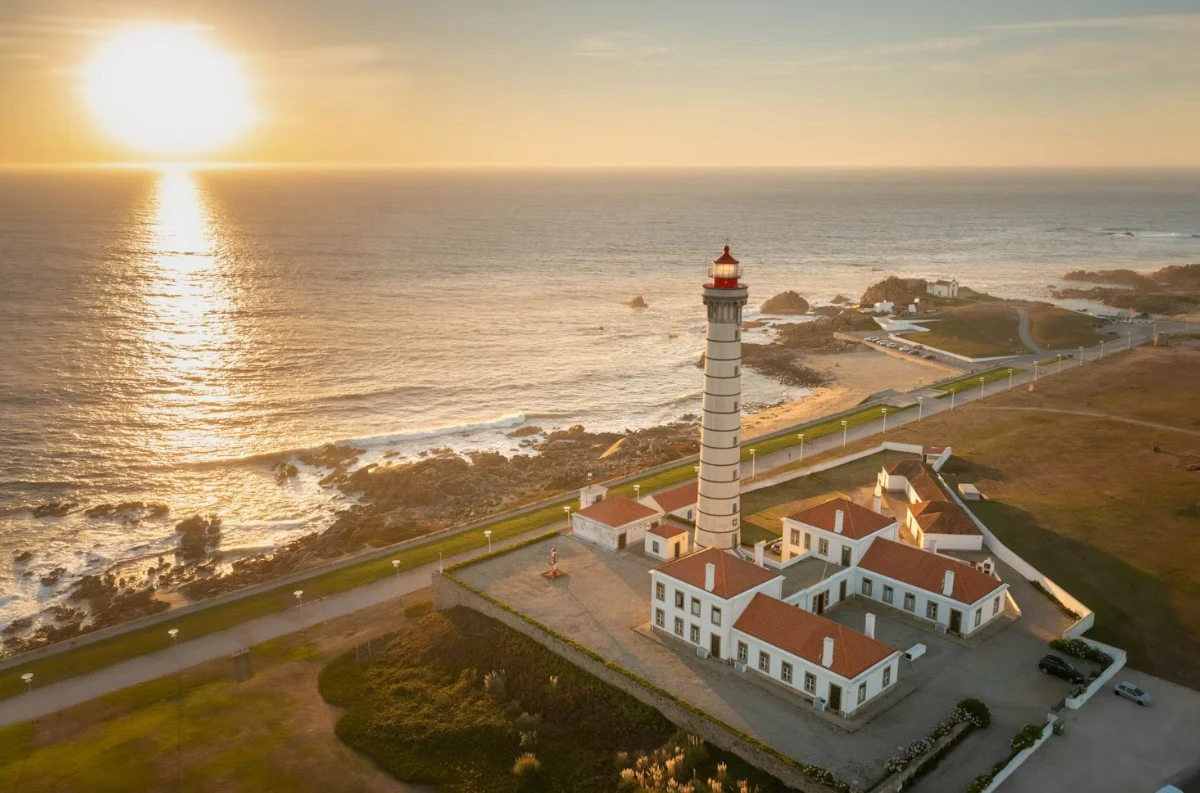
Evenings are when the country truly glows. Golden light floods the coastline, rooftops turn amber, and long shadows transform even ordinary buildings into something cinematic. Locals gather at viewpoints overlooking the water, couples sit on stone steps and watch the city settle into twilight, and musicians begin to appear near terraces and small bars. It’s not a performance — it’s just life happening with a certain harmony.
Night shifts the rhythm again. Some neighborhoods come alive with music and conversation, while others drift into a peaceful silence broken only by distant waves or the echo of footsteps on cobblestones. Whether you’re in a big city or a small coastal village, nights in Portugal feel safe, warm, and unpretentious.
To get into the rhythm of Portugal is to accept that the country is built on balance: between old and new, sea and land, stillness and celebration. Once you let yourself tune into that balance, everything else — the food, the architecture, the landscapes — starts to feel even more meaningful.
Read Also: Best Restaurants in Portugal 🍽 Where to Savor Traditional and Global Cuisine
Map of Key Regions & Cities in Portugal
3. Main Regions of Portugal — A Traveler’s Map of the Country
Portugal may look compact on the map, but traveling through it feels like moving across several different worlds stitched together by a shared sense of calm, heritage, and Atlantic light. Each region has its own rhythm, landscapes, and character — and understanding these differences helps you choose the Portugal that speaks to you. Here’s how the country unfolds when you look at it through a traveler’s eyes.
Lisbon & Its Coastline — Culture, Charm and Atlantic Breezes
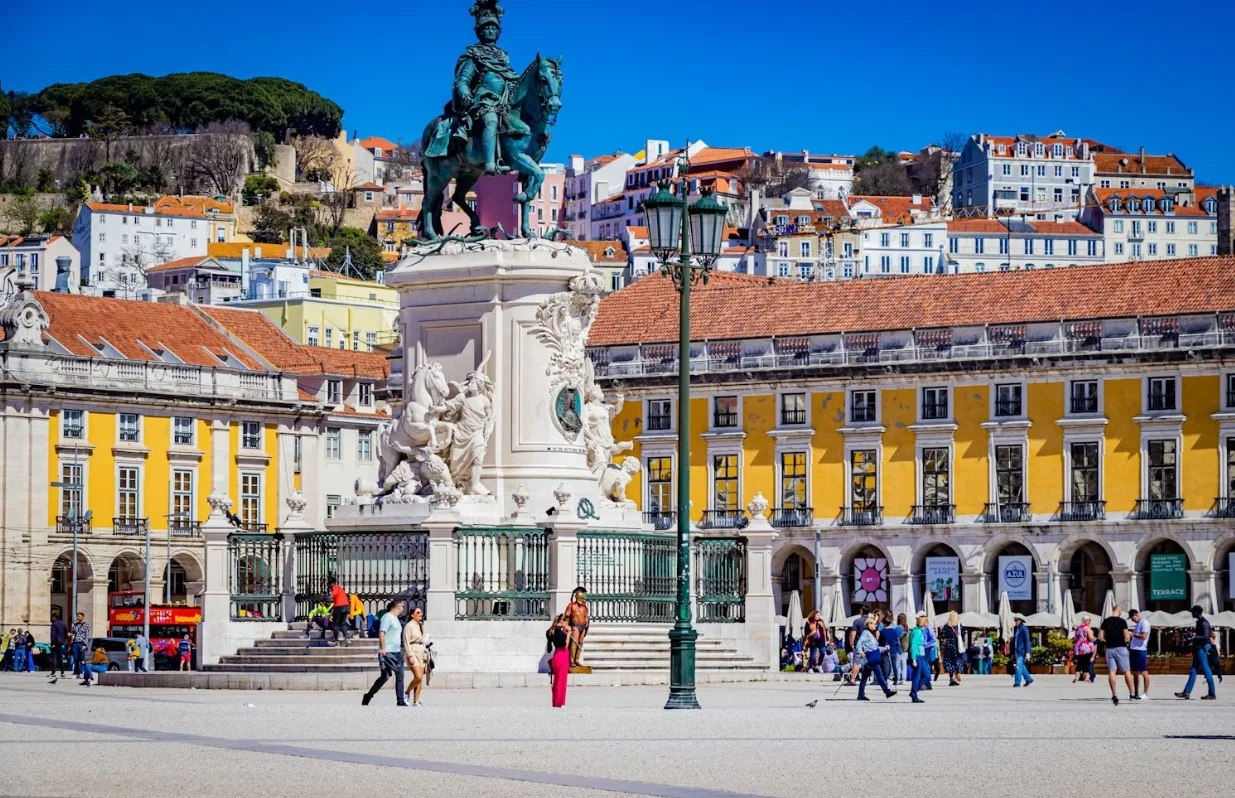
Lisbon isn’t just a capital; it’s a mosaic of hilltop viewpoints, tiled façades, ocean winds and neighborhoods that feel like small villages. Alfama whispers with the sound of fado, Bairro Alto wakes up after sunset, and Chiado blends bookstores, cafés, and elegant streets in a way that feels unmistakably European yet uniquely Portuguese.
Just outside the city, Sintra rises in mist — a dreamlike fusion of palaces, gardens and moss-covered stone. It’s whimsical, slightly surreal, and unlike anywhere else in Europe.
Further along the coast, Cascais offers golden beaches, sailing culture, and sunset walks by the Atlantic. This region suits first-time visitors, couples, and anyone who wants a mix of culture, ocean, food and stunning day trips — all within short distances.
Porto & the North — Wine Valleys, History and a Deeper, Earthier Mood
Northern Portugal feels older, moodier and more textured. Porto is built of granite and river reflections — steep alleys, iron bridges, azulejo churches and the scent of port wine aging in cellars. It’s artistic, slightly nostalgic and wonderfully photogenic.
Just beyond the city lies the Douro Valley, one of the most beautiful wine regions in the world: terraces carved into hillsides, mirror-like rivers, slow trains, and family-run vineyards that still harvest grapes by hand.
Further north, places like Braga and Guimarães bring medieval history to life with ancient sanctuaries, atmospheric squares and calm, walkable centers.
This region suits culture lovers, photographers, hikers and travelers who appreciate cities with deep roots and soulful scenery.
Central Portugal — Medieval Towns, Waves and Quiet Mountains
Between Lisbon and Porto lies a region many tourists skip — and they shouldn’t. Coimbra, once the country’s capital, is rich with tradition and home to one of Europe’s oldest universities. Its hills, courtyards and academic rituals make it unlike any other city in Portugal.
To the west, Nazaré has become famous for its record-breaking waves, drawing surfers and spectators from around the world. But there’s also a quieter side to Nazaré: fishing culture, simple taverns and a laid-back beach town vibe.
Further inland, Óbidos stands as a walled medieval jewel — white houses embroidered with flowers, narrow lanes and seasonal festivals that transform the town into a stage.
Keep going east and you reach Serra da Estrela, the mainland’s highest mountains, dotted with stone villages and incredible viewpoints. This region suits road-trippers, culture fans, surfers and travelers who like a balance of history and raw nature.
Algarve — Cliffs, Coves and Sunshine Without Rush
Algarve is the Portugal people dream about when they imagine a beach holiday — dramatic cliffs, hidden coves, warm water and long, golden shorelines. But it’s not just one coast; it’s several personalities in one region.
The western coast, around Lagos and Sagres, is wild and dramatic, shaped by powerful Atlantic winds. The central stretch — Albufeira, Carvoeiro, Armação de Pêra — is lively, sunny and full of seaside energy.
Further east, towards Tavira, the mood shifts completely: salt flats, lagoons, fishing villages and calmer beaches where the days feel longer and the pace feels gentler.
Algarve suits families, beach lovers, surfers, couples and anyone needing pure sunshine and relaxation.
Alentejo — Slow Travel, Endless Horizons and Wine Country
Alentejo is Portugal’s soul in slow motion. A region of soft hills, cork oak forests, whitewashed villages and long, empty roads that seem to stretch into infinity. Time moves differently here. Days revolve around food, wine, quiet conversations and landscapes that feel almost meditative.
The coast, especially around Vila Nova de Milfontes and Zambujeira do Mar, is one of Europe’s most underrated: cliffs, dunes, trails and raw, natural beaches untouched by mass tourism.
This region suits romantic travelers, slow-travel enthusiasts, surfers, and anyone looking for authenticity far away from crowds.
Madeira — The Island of Eternal Spring
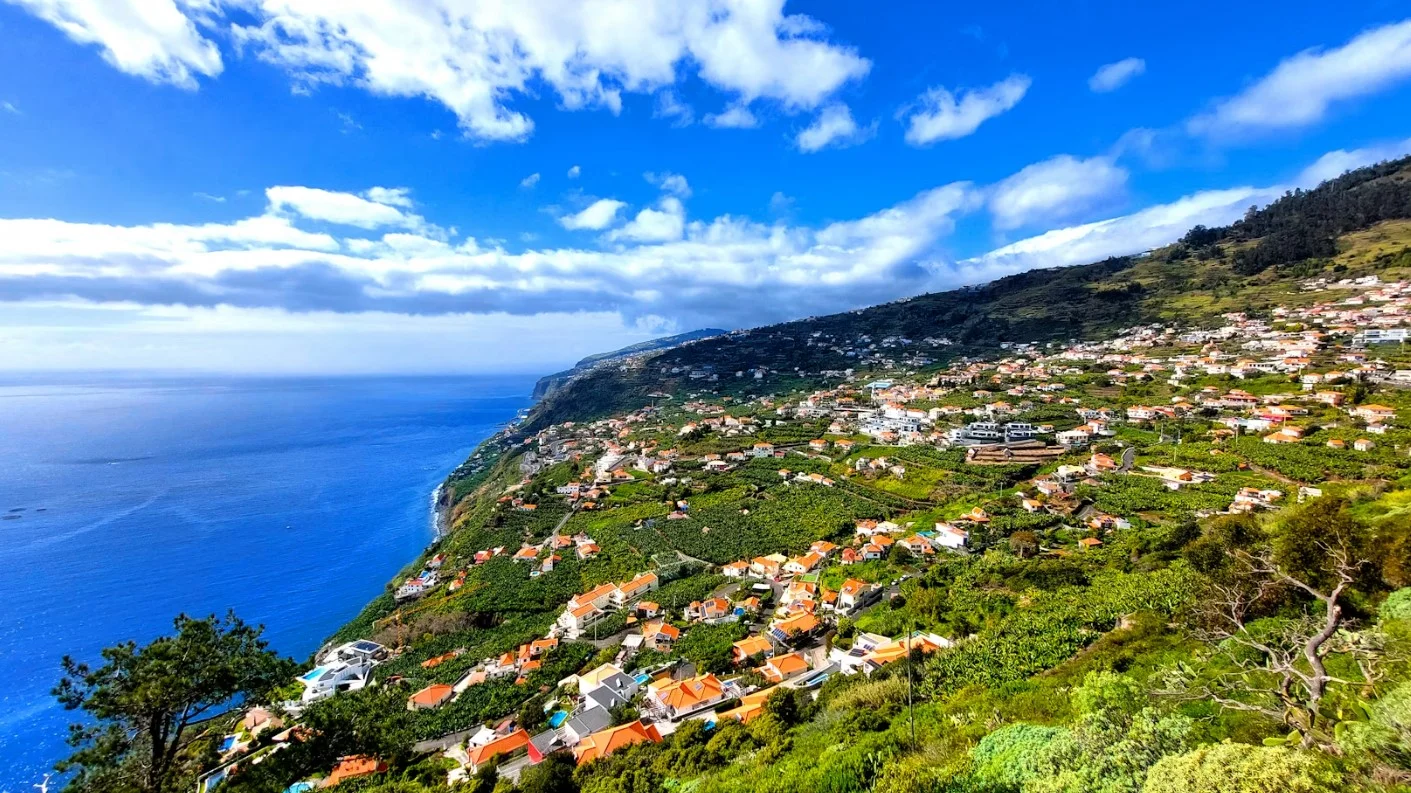
Floating in the Atlantic, Madeira feels like a world of its own — green mountains, volcanic peaks, misty forests, cliffside villages and levada trails that look like scenes from a fantasy film. The climate is mild year-round, making it perfect for hikers, nature lovers and travelers who want dramatic scenery at every turn.
Funchal blends calm island life with a touch of elegance: botanical gardens, viewpoints, markets and waterfront promenades. Madeira is ideal for active travelers, couples and those seeking wow-factor landscapes without long-haul flights.
The Azores — Nine Islands of Pure, Untouched Nature
The Azores are Portugal at its most wild. Volcanic lakes in fluorescent blue and green, hot springs hidden in forests, black beaches, crater rims you can hike along, and little towns surrounded by vast Atlantic horizons.
São Miguel is the easiest starting point, but islands like Pico, Terceira and Faial offer their own unique landscapes and cultures. This region suits adventurers, hikers, eco-travelers and anyone who wants nature that feels untouched, powerful and otherworldly.
Read Also: Explore Portugal’s Cultural Treasures: Best Museums, Theaters & Music Venues
4. Where to Base Yourself — Cities & Areas That Shape Your Trip
Choosing where to stay in Portugal is almost as important as choosing what to see. The country is diverse enough that your base will define the mood, rhythm and even the type of experiences you notice first. Some places are perfect for slow coastal mornings, others for culture-packed days, and some for wandering through centuries of history at your own pace. Here are the most convenient and characteristic bases for your trip.
Lisbon — Culture, Viewpoints and the Pulse of Urban Portugal
Lisbon is the natural starting point for many travelers, not because it’s the capital, but because it’s an experience in itself. Staying here means waking up to sunlight spilling over hilltops, hearing trams pass through steep streets, and having world-class culture within walking distance.
This is a city where mornings begin with coffee at a street café, afternoons drift between viewpoints, museums and riverfront promenades, and evenings stretch long with music, wine and the soft glow of lanterns.
Lisbon suits:
- first-timers
- couples
- digital nomads
- food and architecture lovers
It’s lively but never overwhelming, beautiful but not polished, historical but very much alive. From here, Sintra, Cascais and many coastal towns are within easy reach, making Lisbon an excellent long-stay base.
Porto — Wine, River Views and a Deeper, More Textured Mood
Porto is Lisbon’s moodier sibling — older in color, richer in texture, more intimate in atmosphere. Its steep streets, granite houses and river reflections create a setting that feels poetic at any hour. Staying here gives you instant access to the soul of northern Portugal: port wine lodges, medieval neighborhoods, baroque churches, sunset viewpoints and small taverns serving traditional dishes.
Porto suits:
- travelers who love history
- photographers
- wine enthusiasts
- those who prefer authenticity over speed
It’s also the perfect gateway to the Douro Valley, one of the most scenic wine regions in Europe.
Algarve — Sun, Cliffs and Seaside Villages
If your idea of the perfect base includes warm mornings, bright beaches and long walks along dramatic cliffs, then Algarve is the region for you. But choosing where in Algarve matters.
- Lagos — best for a mix of beaches, nightlife and stunning rock formations.
- Albufeira — energetic, social, full of restaurants and entertainment.
- Tavira — quieter, elegant, with lagoon landscapes and a slower rhythm.
Algarve suits:
- families
- beach lovers
- surfers
- travelers seeking pure relaxation
It’s also a great region if you want warm weather for most of the year.
Cascais or Sintra — Close to Lisbon, Different in Mood
If you love Lisbon but want something more peaceful, Cascais and Sintra are strong alternatives.
Cascais offers beaches, oceanfront promenades, sailing culture and a relaxed coastal lifestyle.
Sintra surrounds you with palaces, forests and cool mountain air — a dreamy escape that feels removed from urban life.
These bases suit travelers who want to explore Lisbon without staying in a big city.
Madeira (Funchal) — Nature, Cliffs and Endless Spring
Funchal, the capital of Madeira, works perfectly as a base for exploring the island’s viewpoints, gardens, volcanic peaks and levada trails. It has a calm, elegant rhythm: markets, oceanfront cafés, botanical gardens and sunset spots scattered throughout the hills.
Madeira suits:
- hikers
- couples
- nature lovers
- travelers wanting dramatic landscapes without long-haul flights
It’s also one of the best year-round destinations in Portugal.
Smaller Towns for Slow, Authentic Travel
Those who prefer quieter experiences can base themselves in:
- Évora (Alentejo) — history, wines, whitewashed streets.
- Óbidos — a medieval town perfect for a short, atmospheric stay.
- Coimbra — academic charm and riverside calm.
These places suit slow travelers, culture lovers, and anyone who enjoys wandering through towns that still follow old rhythms.
5. Must-See Places & Experiences Across Portugal
Portugal offers the kind of variety that feels almost impossible for a country of its size. From cliffside sunsets to medieval alleys, vineyard valleys, volcanic peaks and pastel-painted towns, every region delivers a different mood — and together they create one of the most rewarding travel experiences in Europe. Ниже — места и впечатления, которые формируют эмоциональное ядро любого путешествия по Португалии.
Alfama & the Miradouros of Lisbon — Where the City Breathes
Alfama is the oldest and most intimate part of Lisbon, a labyrinth of narrow lanes, staircases, tiny squares and pastel houses that seem to have grown organically from the hill itself. Laundry hangs between windows, locals chat outside bakeries, and the scent of grilled sardines drifts through the air. But the magic peaks at the miradouros — viewpoints that overlook the river, rooftops and distant hills. At sunrise the city glows pink; at sunset, gold. Watching Lisbon from above is one of the purest emotional experiences Portugal can offer.
Belém — Monasteries, Discoveries and Timeless Grandeur
Belém represents Portugal’s golden age of exploration. The Jerónimos Monastery is a masterpiece of stonework and light: cloisters so intricate they feel carved from lace, long corridors echoing with centuries of history. Nearby, the Belém Tower stands against the river like a stone guardian of the past. This area blends beauty with significance — a place where architecture, culture and national identity meet in a single panorama.
Sintra — A Dream of Palaces, Fog and Forests
Sintra feels like it belongs in a different world. Mist rolls down its hills, palaces appear from behind clusters of trees, and gardens weave together exotic plants from every corner of the globe. The Pena Palace explodes with color, the Quinta da Regaleira hides tunnels and mystical symbols, and the Moorish Castle offers one of the best viewpoints in the region. Sintra isn’t just a destination — it’s an atmosphere, a blend of romance, fantasy and cool mountain air.
Porto’s Ribeira — Riverfront Life and Old-World Soul
Ribeira is Porto’s emotional core: granite arches, narrow streets, colorful houses stacked above the river, and cafés that catch the last light of the day. Walk across the iconic Dom Luís I Bridge and you’ll see Porto from a perspective that reveals its entire personality — dramatic, slightly melancholic, deeply authentic. In the evening, the riverfront fills with musicians, conversations and slow dinners that stretch into the night.
Douro Valley — Terraces, Vineyards and Slow-Time Beauty
Few landscapes in Europe feel as cinematic as the Douro Valley. Terraced vineyards cascade down hillsides, the river curves gently between mountains, and wine estates sit in perfect silence above the water. It’s a place where life slows to a different pace: tastings, long walks, river cruises, and golden-hour views that feel almost unreal. For many travelers, this becomes the highlight of their entire trip.
The Cliffs and Coves of Algarve — Portugal’s Natural Showpiece
Algarve’s coastline is a masterpiece sculpted by wind, water and time. In the west, near Lagos and Sagres, cliffs rise like giant stone cathedrals above powerful Atlantic waves. In the center, rock formations and hidden coves create perfect beaches framed by orange limestone. Further east, wide lagoons and calm waters set a more tranquil mood.
This is where you feel the sun, salt and scenery blending into one unforgettable experience.
Cabo da Roca — The Edge of Europe
Standing at Cabo da Roca, the westernmost point of the continent, feels like standing at the edge of the world. Wind rips across the cliffs, waves explode against the rocks, and the horizon stretches into infinity. It’s a raw, powerful place — simple, elemental, unforgettable.
Madeira — Viewpoints and Levada Trails Through Island Magic
Madeira delivers scenery that feels almost unreal: mountains rising straight from the ocean, clouds drifting over volcanic peaks, forests dripping with mist. The levada trails — narrow irrigation paths — guide travelers through jungled valleys, cliffs and waterfalls. At sunrise, viewpoints like Pico do Arieiro look like the world before it was fully formed.
The Azores — Volcanic Lakes and Pure Atlantic Nature
The Azores offer a version of Portugal untouched by time. Crater lakes in electric shades of blue and green, black-sand beaches, geothermal pools hidden in forests, and villages framed by endless ocean horizons. It’s dramatic, peaceful, wild and soothing all at once — a dream destination for those who love nature in its rawest form.
6. Hidden Corners of Portugal — Quiet Places With Soul
Beyond the famous viewpoints and postcard-perfect landmarks, Portugal hides a world of places that rarely make it into travel brochures but often become the most memorable parts of a journey. These are towns where life unfolds slowly, beaches where you hear nothing but waves, markets where locals shop for fresh produce, and villages that seem untouched by time.
One of the most rewarding regions for discovering these quiet corners is Alentejo. The inland landscape is a patchwork of cork oak forests, rolling golden fields and whitewashed villages with blue borders painted around doorways. Places like Monsaraz, perched on a hill overlooking a vast lake, feel almost suspended between earth and sky. Évora, though more well-known, still maintains an intimate rhythm where evenings smell of grilled meat, bread and local wine. Traveling through Alentejo gives you a sense of timelessness — the kind that makes you slow your steps and pay closer attention to small details.
The west coast of Alentejo is even more surprising. Long stretches of untouched beaches, steep cliffs, simple seafood restaurants and windswept dunes create a setting that feels raw and cinematic. Villages like Zambujeira do Mar, Porto Covo and Vila Nova de Milfontes are perfect for travelers who want the ocean without the crowds. Sunset here is not an event — it’s a ritual.
In the central part of the country, smaller medieval towns also offer quiet magic. Óbidos, beyond its festivals and castle walls, reveals hidden corners where you can walk alone early in the morning, hearing only birds and distant church bells. Further north, riverside towns and stone villages blend nature with ancient traditions, creating routes perfect for slow travel.
Even in Lisbon and Porto, the best-hidden corners are not far away. In Lisbon, step away from the main viewpoints and wander deeper into Graça or Mouraria, where local life continues in small cafés, open-air markets and streets lined with azulejo houses. In Porto, cross the bridge into Vila Nova de Gaia, avoid the busy wine cellars and walk into the residential hills — the views are just as beautiful, and the atmosphere is calmer.
These lesser-known places also reveal small cultural details that help travelers understand Portugal on a deeper level: the pace of conversation, the way people gather in the evenings, how meals are shared, and how traditions survive quietly in the background. Even something as simple as comparing local prices — from pastries to souvenirs — shows how different regions shape their own identity. Many travelers notice that small towns offer a more authentic feel, lower restaurant prices and a straightforward approach to daily life compared to bigger hubs, which is why searches like taxi prices in Portugal or restaurant comparisons often appear when people plan their routes.
Hidden Portugal isn’t about ticking places off a list. It’s about letting the country show you its quieter side — the one locals know best, and the one that often becomes the emotional highlight of the entire trip.
Read Also: Best Photo Spots in Portugal: Viewpoints, Hidden Beaches & Scenic Trails
7. How to Plan Your Time in Portugal — A Simple, Traveler-Friendly Guide
Planning a trip to Portugal doesn’t require strict itineraries. The country is compact, well-connected and wonderfully flexible — which makes it easy to shape your journey around your interests rather than obligations. Here’s how experienced travelers usually think about time in Portugal.
For a first visit, 7–10 days is the sweet spot. It’s enough to explore Lisbon, take a meaningful day trip to Sintra or Cascais, and spend a few days in Porto or along the southern coast. You won’t see everything — but Portugal is one of those places where the goal is not to rush but to enjoy the rhythm.
If you have 10–14 days, you can add depth instead of distance. Spend extra time in Lisbon’s neighborhoods, wander deeper into Porto’s riverside hills, explore the Douro Valley at a slower pace or spend lazy afternoons in small Algarve towns. The idea is not to cover more ground but to immerse yourself more fully.
Travelers who enjoy variety in landscapes often combine mainland Portugal with a short escape to Madeira. Meanwhile, those who prefer culture and history may choose to expand their route with Coimbra, Évora or Óbidos. Portugal rewards curiosity, but it also rewards stillness — some of the best experiences come from simply staying in one place long enough to understand its rhythm.
Budget-wise, Portugal remains accessible. Big cities can be pricier in central areas, but local bakeries, markets and neighborhood restaurants offer excellent value. Many visitors notice that prices vary from region to region, which helps shape decisions on bases and routes.
Safety is another strong advantage. Portugal is consistently considered one of the safest countries in Europe. Streets feel calm even late at night, and locals are used to helping travelers who look lost or confused. Because of this, many people plan their first steps with confidence and simply choose whatever feels comfortable — whether it’s public transport, walking or a direct ride. It's common to see travelers research simple arrival options such as taxi from lisbon airport, not because they need rigid planning, but because they like to begin their trip smoothly and without thinking too much on the first day.
The best rule for planning Portugal is simple: Let the country set the pace.
Spend your mornings slowly, choose experiences that match your mood, give yourself time to wander, and don’t be afraid to return to places that made an impression on you. Portugal isn’t a destination you “complete”; it’s a place you absorb — one moment, one city, one coastline at a time.