
Paris Beyond the Tourist Trail: Where to Go After You’ve Seen the Classics
Paris rarely needs an introduction. For most travellers, the first visit is filled with familiar landmarks: the Eiffel Tower glowing at sunset, the Louvre’s endless galleries, quiet walks along the Seine, and long café mornings in neighbourhoods that feel effortlessly cinematic.
But Paris has a second layer that only reveals itself once the highlights are behind you. It lives in quieter districts, local routines, hidden green spaces, and places that don’t compete for attention. And beyond the city itself, an entirely different side of France begins just a short distance away — one shaped by vineyards, royal estates, and historic towns that feel far removed from the capital.
Many travellers arrive through CDG airport transfers, take an Orly airport taxi, or land further out using taxi aeroport beauvais, planning to stay within Paris. Yet some of the most memorable moments often happen when you step slightly outside that plan — whether it’s discovering a quiet corner of the city or heading out for a day trip that changes the pace completely.
This guide is designed for exactly that: helping you explore Paris beyond the obvious, and showing where to go next when you’re ready to see more — without turning your trip into a complicated series of connections and schedules.
Hidden Gems in Paris Locals Still Appreciate
Not every memorable place in Paris is marked on a typical itinerary. Some of the city’s most rewarding spots are the ones you don’t plan too strictly — places where the atmosphere feels more local, less curated, and far removed from the constant flow of visitors around the major landmarks.
These quieter corners don’t try to impress. They simply reveal a different rhythm of Paris — one that unfolds slowly, whether you’re walking along a canal, sitting in a park above the city, or wandering through a street that feels almost too picturesque to be real.
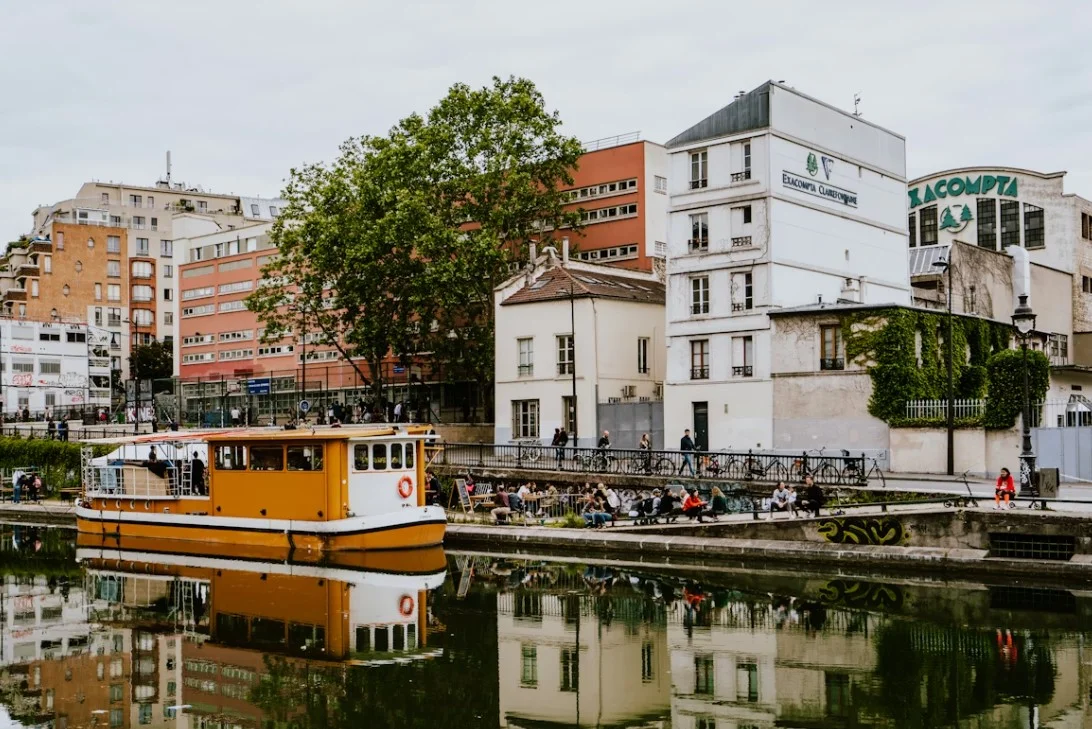
Canal Saint-Martin
Canal Saint-Martin offers a softer, more relaxed version of Paris. The iron footbridges, tree-lined paths, and waterside cafés create a setting that feels effortlessly local. Early mornings and late afternoons are the best times to visit, when the light reflects off the water and the pace of the area feels unhurried.
Parc des Buttes-Chaumont
This is one of the most surprising green spaces in the city. Unlike the formal gardens Paris is known for, Buttes-Chaumont feels almost wild in comparison, with steep paths, rocky viewpoints, and a suspended bridge leading to a small temple overlooking the skyline. It’s a place where you can step away from the density of the city without actually leaving it.
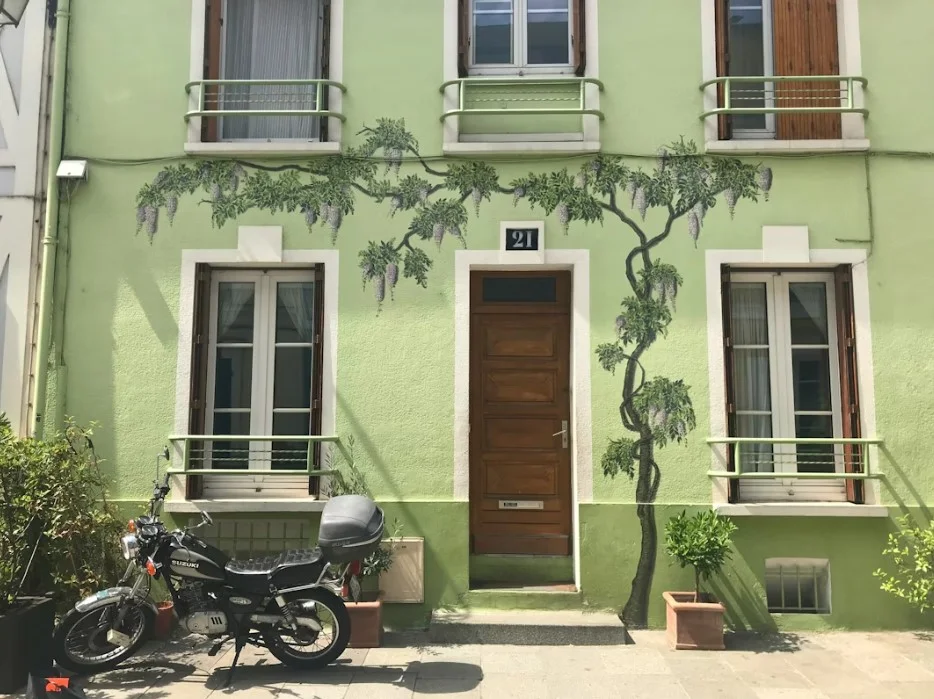
Rue Crémieux
Short but instantly recognisable, Rue Crémieux stands out for its colourful facades and almost cinematic charm. It’s a quick stop rather than a long visit, but it works best early in the day, before it becomes one of the more photographed corners of Paris.
Montmartre in the Early Morning
Montmartre is rarely quiet, but timing changes everything. Arrive early and the area feels completely different — calmer streets, fewer crowds, and a glimpse of the artistic atmosphere that originally defined the district. It’s one of the easiest ways to experience a more authentic side of a very popular place.
Read More: What to Do in Paris? Top Places You Can’t Miss
Loire Valley: A Day Trip That Feels Like a Different France
If Paris is about grand boulevards, museums, and city life, the Loire Valley offers something entirely different. Just a few hours away, the pace slows down, the landscape opens up, and the experience shifts from urban exploration to something more scenic, spacious, and almost storybook-like.
This region is known for its castles, but the appeal goes beyond architecture. It’s about the setting — long river views, quiet towns, tree-lined roads, and historic estates that feel designed to be experienced slowly rather than rushed through.
Getting to the Loire Valley from Paris may seem straightforward at first glance, but in practice it often involves train changes, limited connections between towns, and careful timing if you want to visit more than one château in a single day.
Key Attractions:
- Château de Chambord: The largest and most dramatic castle in the region, known for its distinctive Renaissance design and vast surrounding parkland.
- Château de Chenonceau: One of the most elegant châteaux in France, stretching across the River Cher and offering a more refined, intimate atmosphere.
- Château d’Amboise: A historic royal residence with panoramic views over the Loire and strong ties to French history.
- Loire Valley towns: Places like Amboise, Blois, and Tours add depth to the experience, combining small-town charm with cafés, markets, and local culture.
Travel Experience
The real challenge of visiting the Loire Valley is not reaching it — it’s moving between locations once you’re there. Train routes don’t always connect the main château sites directly, and local transport can limit how much you see in a day. As a result, what looks like a simple trip can quickly turn into a schedule-driven experience.
For travellers who want to visit multiple castles comfortably, without constantly checking timetables or rushing between stops, a more direct way of travelling makes a noticeable difference. It allows the day to feel fluid, with time to explore each place properly rather than simply moving through it.
Why You Should Visit
The Loire Valley is one of the few destinations near Paris that genuinely changes the tone of your trip. It replaces the density of the city with space, calm, and a sense of history that unfolds across landscapes rather than streets. If you’re looking to go beyond Paris without overcomplicating your itinerary, this is one of the most rewarding places to start.
Versailles: The Classic Day Trip That Still Surprises
Versailles is often the first place people think of when planning a day trip from Paris, and for good reason. It’s close, iconic, and historically significant. But despite its popularity, the experience can still feel impressive — if you approach it the right way.
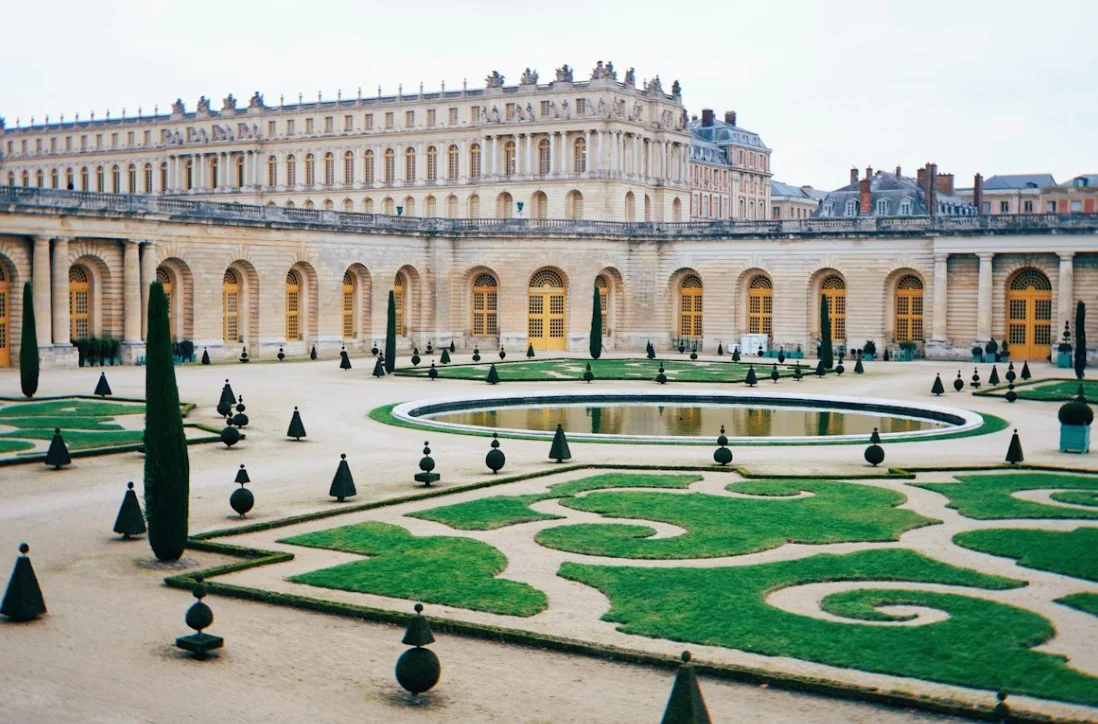
The palace itself is only part of the story. What makes Versailles stand out is its scale. The vast gardens, long pathways, hidden corners, and quieter areas beyond the main halls create a setting that can easily take up an entire day.
Key Attractions:
- Palace of Versailles: A symbol of royal power and one of the most famous landmarks in France, known for its opulent interiors.
- Hall of Mirrors: The palace’s most iconic room, where light, reflections, and history come together in one dramatic space.
- The Gardens: Expansive, geometric, and designed for exploration rather than a quick walk.
- The Trianon Estate: A quieter part of Versailles, ideal for visitors who want to step away from the busiest areas.
Travel Experience
Getting from Paris to Versailles is relatively simple, but simplicity doesn’t always mean comfort. Trains can be crowded, especially in the morning, and the experience often depends on timing your visit carefully to avoid peak hours.
Starting early makes a noticeable difference. It allows you to reach the palace before the main flow of visitors and enjoy the gardens at a more relaxed pace. For those who prefer a smoother start to the day, avoiding transfers and busy platforms can make the overall experience feel far more enjoyable.
Why You Should Visit
Versailles offers something Paris itself cannot: space. It gives you the chance to step out of the city and experience French history on a much larger scale, without needing to travel far. Whether you spend a few hours or most of the day there, it remains one of the most accessible and rewarding escapes from the capital.
Read More: Paris is waiting for you: A complete guide to discover the City of Light
Champagne Region: A Refined Escape Beyond Paris
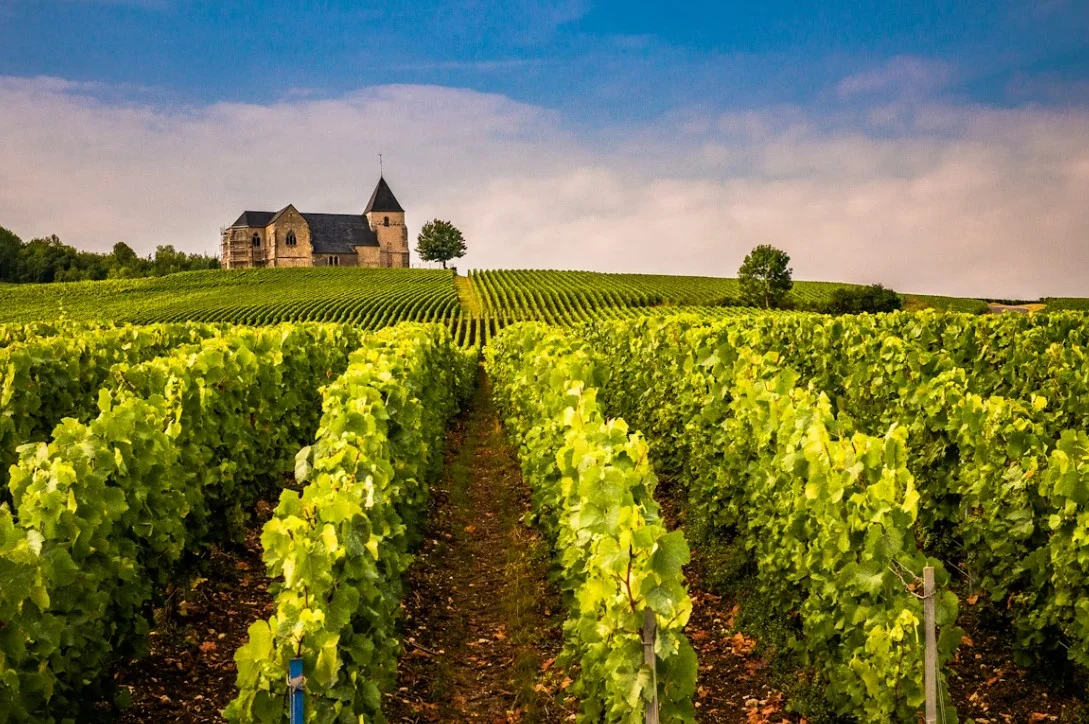
For those looking to slow things down and experience a more refined side of France, the Champagne region offers a completely different atmosphere from Paris. The transition is subtle at first — the city fades into open landscapes, vineyards begin to appear, and the rhythm of the day naturally becomes calmer.
This is not a destination built around rushing between landmarks. Instead, it’s about taking your time: walking through historic streets, visiting cellars, and enjoying tastings that connect you to the region’s identity in a way that feels both cultural and sensory.
Key Attractions:
- Reims: A historic city known for its cathedral, elegant streets, and some of the most established champagne houses.
- Épernay: Often considered the heart of the region, famous for its Avenue de Champagne and prestigious producers.
- Vineyard landscapes: Rolling hills and quiet roads that make the journey itself part of the experience.
- Champagne tastings: A chance to explore the traditions and craftsmanship behind one of France’s most iconic products.
Travel Experience
Reaching the Champagne region from Paris is relatively straightforward, but the experience becomes more complex once you plan visits, tastings, and movement between locations. Many of the most interesting places are not within walking distance of each other, which makes flexibility an important part of the day.
Because tastings are often part of the itinerary, the way you travel also shapes the experience. Having a smoother, more direct way to move between locations allows you to focus on the region itself, rather than on schedules and logistics.
Why You Should Visit
The Champagne region offers contrast. It replaces the energy of Paris with something quieter, more deliberate, and more immersive. If your trip includes time for just one escape beyond the city, this is one of the most elegant and memorable ways to experience a different side of France.
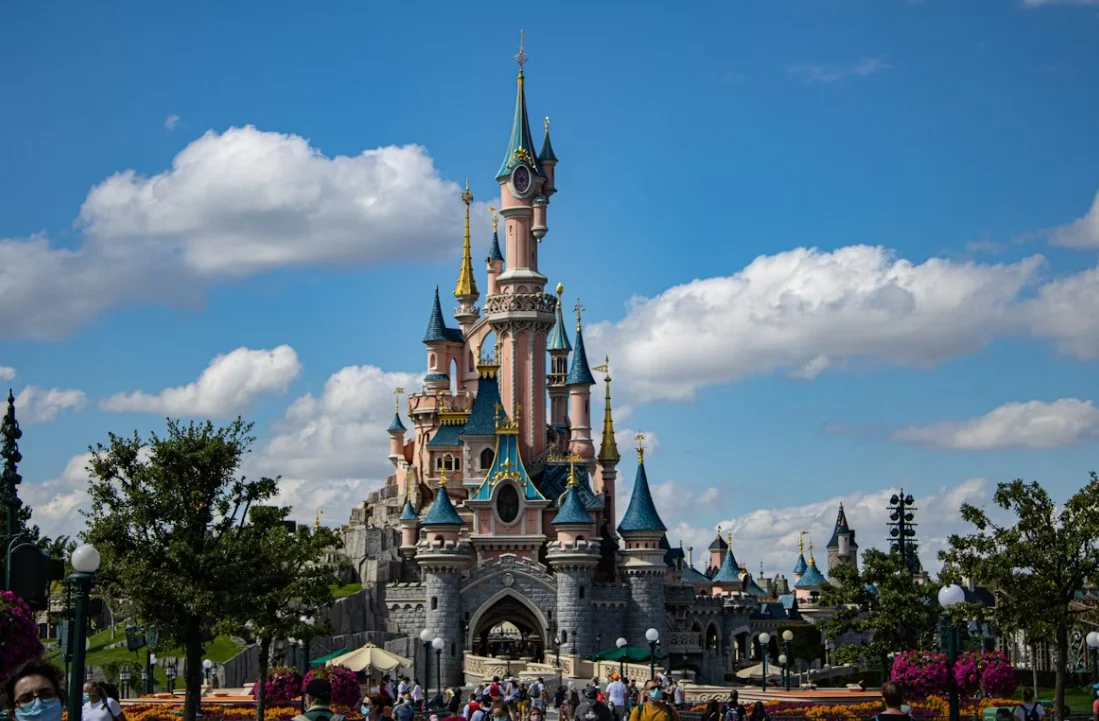
Disneyland Paris: The Easiest Escape for a Different Kind of Day
Not every day trip from Paris needs to be about history or architecture. Sometimes, the best way to break up a city itinerary is to do something completely different — and that’s exactly what Disneyland Paris offers.
Located just outside the city, it’s one of the most accessible destinations for families, couples, or anyone looking for a more relaxed and entertaining day. The shift in atmosphere is immediate: from Parisian streets to themed worlds, rides, and a pace that feels much more playful.
Key Attractions:
- Disneyland Park: The main park, featuring classic attractions, themed lands, and the iconic castle.
- Walt Disney Studios Park: Focused on cinema, behind-the-scenes experiences, and more dynamic rides.
- Shows and parades: A major part of the experience, especially for families with children.
- Seasonal events: From themed celebrations to special performances depending on the time of year.
Travel Experience
Getting to Disneyland Paris is relatively straightforward, with direct transport options available from the city. However, the overall experience often depends on how smoothly the day starts — especially when travelling with children, planning an early arrival, or returning late in the evening.
Having a simple, direct journey can make the day feel much more relaxed, allowing you to focus on enjoying the park rather than managing connections or crowded routes.
Why You Should Visit
Disneyland Paris offers contrast in the best possible way. It breaks the rhythm of museums and sightseeing, replacing it with something lighter, more spontaneous, and often more memorable for families. Even as a short addition to a Paris trip, it can completely change the pace of your itinerary.
Comparing the Best Ways to Travel from Paris
When planning trips outside Paris, the route itself becomes part of the experience. Some destinations are easy to reach, while others require more coordination. The difference often comes down to how much time and flexibility you want during the day.
Here’s a simple way to compare your options:
| Route | Distance | Travel Time | Train | Taxi | Private Transfer |
|---|---|---|---|---|---|
| Paris → Versailles | 20 km | 40–60 min | Affordable but often crowded | Available | Comfortable and direct |
| Paris → Loire Valley | 180–250 km | 2–3 hours | Requires connections | Less practical for a full-day trip | Best for flexibility |
| Paris → Champagne | 130 km | 1.5–2 hours | Possible | Available | Smooth and flexible |
| Paris → Disneyland | 45 km | 45–60 min | Direct option available | Available | Easiest with family or luggage |
For shorter trips like Versailles or Disneyland, multiple options can work depending on your schedule. But for destinations like the Loire Valley or the Champagne region, where you may want to visit several locations in one day, flexibility becomes far more important than just the travel time itself.
Read More: 16 of Our Favourite Towns and Cities to Discover in France
Why Getting Around Paris and Beyond Isn’t Always as Simple as It Looks
Paris is easy to enjoy, but not always easy to navigate once real travel conditions come into play. On a map, distances seem short and connections look straightforward. In reality, the experience can change quickly when you add luggage, timing, or multiple stops into the plan.
For many travellers, the first challenge starts right after arrival. Whether you land at Charles de Gaulle, arrive via an Orly airport taxi, or come in through taxi aeroport Beauvais, getting into the city is only part of the journey. From there, moving between locations or planning day trips requires a bit more coordination than expected.
Public transport works well inside Paris, but it becomes less convenient when you leave the city. Train routes don’t always align with your itinerary, connections can take time, and stations are not always close to the places you actually want to visit. What looks efficient on paper can easily turn into a day shaped by schedules rather than experiences.
There’s also the question of comfort. Travelling with bags, navigating busy platforms, or trying to keep a day trip on track can add unnecessary friction to what should be a relaxed part of your trip.
This is why the way you move between places matters more than most travellers expect. A smoother, more direct journey doesn’t just save time — it changes the entire feel of the day, allowing you to focus on where you are rather than how you’re getting there.
Travel Tips to Make Your Paris Trip Smoother
Paris rewards a slower pace. Even if your schedule includes museums, neighbourhood walks, and a day trip or two, the experience feels much better when you leave room for flexibility rather than planning every hour too tightly.
One of the simplest ways to improve your trip is to start earlier than you think you need to. Popular places such as Versailles become far more pleasant in the morning, and even within Paris, the city feels calmer before the busiest hours begin.
If you’re planning to explore beyond the capital, it also helps to think in terms of energy, not just distance. A destination may look close enough on the map, but the combination of stations, queues, and transfers can make the day feel much longer than expected.
For longer outings, especially those involving more than one stop, it’s worth choosing the option that keeps the day feeling fluid. That matters even more if you’re travelling with children, carrying luggage, or trying to fit a countryside escape into a short stay in the city.
And finally, don’t try to see everything at once. Paris works best when you combine one or two major plans with space for wandering, sitting down somewhere unexpected, and letting the city — or the places around it — unfold at their own pace.
Frequently Asked Questions About Exploring Paris and Beyond
Still have a few questions before planning your trip? Here are some of the most common ones travellers ask when exploring Paris and the regions around it.
What are the best day trips from Paris?
The most popular options include the Loire Valley, Versailles, the Champagne region, and Disneyland Paris. Each offers a different experience, from historic palaces and castles to vineyards and family-friendly attractions.
Can you visit the Loire Valley in one day from Paris?
Yes, it’s possible as a full-day trip, but it works best with a clear plan. Visiting multiple châteaux comfortably in one day usually requires careful timing, especially if you want to avoid spending too much time on connections.
Is Versailles worth visiting if I’ve already explored Paris?
Absolutely. Versailles offers a completely different experience, with large open spaces, royal architecture, and extensive gardens that contrast with the density of the city.
Which Paris airport is closest to the city centre?
Orly Airport is generally closer to central Paris, while Charles de Gaulle handles most international flights. Beauvais is located farther away, which means the journey into the city takes longer and requires more planning.
Are day trips from Paris possible without a car?
Yes, many destinations can be reached by train, but some routes become more complex when you factor in local transport and schedules. For places with multiple stops or more rural locations, planning ahead is important.
What is the most comfortable way to travel outside Paris?
It depends on the destination. Trains work well for direct routes, but for longer or more flexible itineraries, a more direct form of travel can make the day feel significantly smoother and less dependent on schedules.