
Landing in a new country often comes with one immediate concern: how much will it cost to get to the city? After a long flight into Germany’s major hubs, most travelers are not looking for the absolute cheapest theoretical option. They are looking for clarity. A fair price. No unpleasant surprises.
In 2026, the airport transfer cost in Germany depends on more than just distance. Regulated taxi tariffs, fixed-price private transfers and algorithm-based ride-sharing models operate side by side across the country. The final amount a passenger pays can vary significantly depending on traffic conditions, booking timing and pricing structure.
This guide explains what travelers should realistically expect to pay, how airport transfer price levels in Germany are formed, and what makes the difference between a metered taxi, a pre-booked fixed transfer and a dynamically priced ride.
The Real Average Airport Transfer Cost in Germany in 2026
Across major German cities, a typical airport-to-city journey of 20–30 kilometres generally falls within a predictable pricing range. In 2026, most travelers pay between €45 and €95 for a standard sedan transfer, depending on location, timing and pricing model.
Germany combines regulated taxi systems with fixed-price private transfers and dynamic ride-sharing platforms. Because these models operate simultaneously, understanding how each one calculates cost is more useful than chasing a single “average” number.
- Metered taxis calculate the fare based on distance and time spent in traffic.
- Fixed-price transfers lock in the amount at the moment of booking.
- Ride-sharing services adjust prices dynamically depending on demand.
The most important distinction in 2026 is not only how much a ride costs, but how predictable that final bill will be.
Typical Price Ranges: What Most Travelers Pay
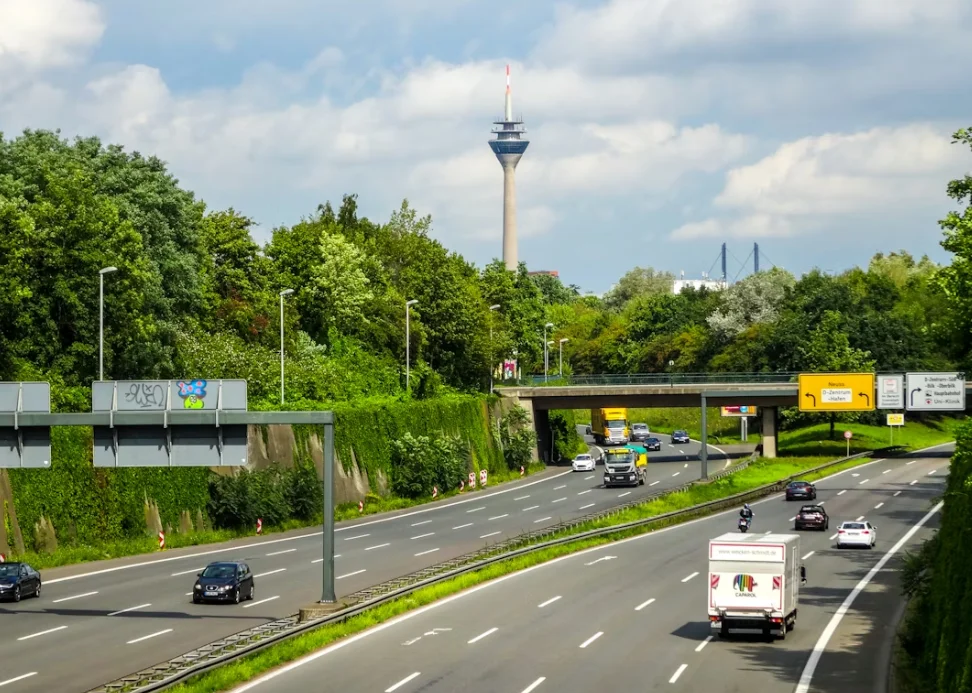
Not every airport transfer is priced the same, even within the same city. The most reliable way to think about cost is to group trips by distance and traffic exposure. In practice, most rides fall into one of the ranges below. For example, a journey from Frankfurt Airport to city centre typically sits within the standard 20–30 km pricing corridor, where timing and traffic conditions influence the final total.
- Short transfers (up to ~15 km): often €30–€55, especially when traffic is light and the route is straightforward.
- Standard city transfers (~20–30 km): commonly €45–€95, depending on timing and pricing model.
- Longer routes (35 km+): frequently €80–€140+, where distance becomes the dominant cost driver and fixed pricing can be easier to predict.
These ranges are not promises or quotes. They are planning numbers that reflect what travelers typically see in 2026 when comparing a metered taxi, a fixed-price private transfer and a dynamically priced ride.
Read Also: What to Do If You Get Lost in an Airport
Airport Transfer Prices by Major German Airports
The table below focuses on one common scenario: airport to city centre. It shows realistic price corridors for a standard sedan, based on typical distances and the way each pricing model behaves in normal conditions. The goal is to help you recognise a fair offer and spot situations where the final bill is likely to drift upward.
| Route (Airport → City Centre) | Private Transfer (Fixed Price) | Local Taxi (Metered Estimate) | Ride-Sharing (Dynamic Estimate) |
|---|---|---|---|
| Frankfurt (FRA) → City Centre | €55–€95 | €50–€100 | €45–€110 |
| Munich (MUC) → City Centre | €70–€120 | €65–€130 | €60–€150 |
| Berlin Brandenburg (BER) → City Centre | €45–€85 | €40–€90 | €35–€100 |
| Düsseldorf (DUS) → City Centre | €35–€70 | €30–€80 | €30–€90 |
| Hamburg (HAM) → City Centre | €35–€70 | €30–€75 | €30–€85 |
| Cologne Bonn (CGN) → City Centre | €35–€75 | €30–€85 | €30–€95 |
As shown above, distance plays a major role. For instance, a typical transfer from Munich Airport to the city covers a longer motorway stretch than several other German hubs, which explains the wider range in standard pricing corridors.
How to read this table: metered taxi fares tend to widen when traffic is unpredictable, while fixed-price transfers stay stable once booked. Ride-sharing estimates can look attractive at quiet times, but may jump during peak arrivals, late-night windows or major events.
If you want the best “planning certainty,” fixed pricing is usually the simplest. If you want the lowest possible fare, the outcome depends heavily on timing, traffic and availability — and the cheapest option on screen is not always the cheapest ride after you factor in delays or surge pricing.
Read Also: Personalized Transfers: How to Adapt Your Journey to Your Needs
Why the Final Price Changes: Metered Fare, Fixed Price and Dynamic Pricing
Understanding the airport transfer cost in Germany requires more than looking at a single number. The pricing model behind the ride often matters more than the base distance itself. In 2026, three systems operate side by side, and each one calculates the final amount differently.
Metered Taxi Fares
Traditional taxis in Germany operate under regulated city tariffs. The fare usually includes a base fee, a per-kilometre rate and a time component that increases when traffic slows down. This means that congestion, roadworks or peak-hour delays can directly influence the final bill.
For example, a journey from Berlin Airport to city centre may look reasonably priced at the start, but unexpected traffic conditions can extend the total if the fare is calculated by meter. The pricing structure is transparent, but the outcome depends on real-time road conditions.
Fixed-Price Private Transfers
A fixed-price airport transfer locks in the agreed amount at the moment of booking. The route and vehicle category determine the cost, but traffic does not change the final figure. For many travellers, this model reduces uncertainty, especially during late arrivals or long-distance transfers.
Platforms that aggregate advance bookings — including services such as AirportTaxis — typically display the full price before confirmation, making it easier to budget in advance.
Ride-Sharing and Dynamic Pricing
Ride-sharing services rely on algorithm-based pricing. When demand increases — for example during flight banks, major events or bad weather — prices can rise automatically. At quieter times, fares may fall below traditional taxi levels.
This flexibility can occasionally result in the lowest available price, but it can also create volatility. What appears affordable on the app screen may change within minutes if supply tightens.
In practical terms, the difference between these models is not only about cost. It is about predictability. Some travellers prioritise the lowest possible fare. Others prefer knowing the exact amount before leaving the arrivals hall.
Hidden Costs Travelers Often Miss
Most pricing disputes do not come from the base fare itself. They come from the small details travelers do not consider until the ride is over. In Germany, pricing rules are generally transparent, but extra charges and “edge cases” still matter — especially when you are tired, in a hurry or arriving late.
Before comparing options, it helps to understand what can change the final bill in real life:
- Waiting time after landing: if a flight is delayed or baggage takes longer than expected, some services charge for extended waiting beyond what is included.
- Traffic-related time costs: metered taxi fares can rise in slow traffic because the clock keeps running.
- Airport pickup rules: designated pickup zones and airport access fees can affect where you meet the driver and, in some cases, the cost structure.
- Vehicle category: a standard sedan and a larger vehicle for families or groups can differ sharply in price, even on the same route.
- Child seats: depending on provider and availability, child seats may require advance booking or carry an additional fee.
- Late-night availability: when fewer drivers are available, ride-sharing prices can rise quickly, and the “estimated fare” may not reflect the final amount.
These factors apply whether you are arriving late or booking a taxi to Düsseldorf Airport for an early departure. If your priority is avoiding unpleasant surprises, the best habit is simple: confirm what is included before you commit. Look for clarity on waiting time, pickup point, luggage expectations and whether the price is fixed or metered. Those details matter more than saving a few euros on the initial estimate.
Read Also: Winter Travel in Germany: Top Cities and Tips for Comfortable Travel

Private Transfer vs Taxi vs Ride-Sharing: A Practical Comparison
Price is important, but it is not the only factor that influences the overall experience. When comparing options in Germany, the real difference often lies in predictability, flexibility and timing rather than the base fare alone.
The table below highlights the practical differences most travelers notice in 2026.
| Factor | Private Transfer (Fixed Price) | Local Taxi (Metered) | Ride-Sharing (Dynamic) |
|---|---|---|---|
| Price Certainty | Fixed at booking | Varies with traffic | Can change with demand |
| Traffic Impact | No price change | Fare increases in congestion | May increase if demand spikes |
| Late-Night Arrivals | Pre-confirmed | Usually available | Availability may fluctuate |
| Waiting Time Included | Often included (limited window) | Charged via meter | Depends on platform policy |
| Vehicle Category Choice | Selected in advance | Assigned on arrival | Limited category selection |
For travelers who prioritise budget flexibility and are comfortable with price variation, ride-sharing may occasionally provide the lowest visible fare. Those who value predictability — especially after long-haul flights or when arranging a transfer to Hamburg Airport in advance — often prefer a fixed-price model.
The choice ultimately depends on what matters more: chasing the lowest possible number at that moment, or knowing the exact amount before stepping into the vehicle.
Airport to City vs City to Airport: Why Booking Behavior Matters
The direction of your trip often changes the way people book — and that can influence both availability and overall cost. In Germany, airport-to-city rides tend to be planned earlier, while city-to-airport trips are more often arranged closer to departure time.
When you land at an airport, uncertainty is higher. You may be arriving late, travelling with luggage, dealing with delays, or simply wanting to reach your hotel without additional stress. In those moments, many travellers prioritise predictability, even if the absolute lowest possible fare might exist elsewhere in theory.
City-to-airport travel usually feels different. You are already settled, you can choose your pickup time, and you may have time to compare alternatives. Because of that, last-minute decisions are more common — and those are precisely the situations where dynamic pricing, traffic exposure or limited driver availability can influence what you ultimately pay.
The practical takeaway is simple: if predictability matters, booking earlier reduces uncertainty. If your priority is the lowest possible price, timing becomes the most important variable, and the “best” option can change from one hour to the next.

How to Avoid Overpaying in 2026
Overpaying rarely happens because someone chose the “wrong” service. It usually happens because key details were unclear at the moment of booking. A few simple checks can make the final airport transfer cost in Germany far more predictable, whether you choose a taxi, a fixed transfer or a ride-sharing app.
- Confirm what the price actually represents. If it is a fixed quote, make sure it includes airport pickup and any standard waiting time. If it is metered, expect traffic to influence the outcome.
- Check the pickup point before you land. Airports often have designated zones. Knowing where to meet avoids delays that can indirectly increase cost.
- Be realistic about timing. Late-night arrivals and peak flight banks reduce availability. In those windows, dynamic pricing is more likely to affect the final total.
- Match the vehicle to the trip. Groups, families and larger luggage loads usually require a larger car. Booking the correct category upfront is often cheaper than improvising at the curb.
- Keep payment expectations clear. Whether you pay by card or cash should not be a surprise at the end of the ride.
If you do just one thing, make it this: aim for clarity before commitment. A transparent quote and a clear pickup plan matter more than shaving a few euros off an estimate that may change under pressure.
Read Also: Best Cities to Visit in Germany – Complete Travel Guide
Outlook: What May Change in 2027
While no one can predict pricing with complete certainty, the long-term direction is relatively clear. Operating costs, airport access regulations and fluctuating demand patterns tend to apply gradual upward pressure on average airport transfer prices in Germany. Even in competitive markets, structural costs rarely move downward for long.
At the same time, transparency is improving. Fixed-price booking platforms are becoming clearer about what is included, and travellers are more aware of how dynamic pricing behaves during peak periods. That combination makes it easier to compare options rationally — provided the booking terms are reviewed carefully before confirmation.
Final Thoughts: What You Should Expect to Pay in Germany in 2026
In 2026, most travellers should expect airport transfers in Germany to sit within a realistic mid-range: often €45–€95 for typical city routes, with higher totals on longer distances or during high-demand windows. The airport transfer cost in Germany ultimately depends less on the headline number and more on the pricing model behind it.
If you prefer certainty, fixed-price transfers can simplify planning — and services like AirportTaxis are structured around showing the full cost before you confirm. If you prefer maximum flexibility, metered taxis and ride-sharing can work well, but your timing will have a stronger impact on the final total.
FAQ
How much is a taxi from Frankfurt Airport to the city centre in 2026?
For most standard trips, travellers commonly see a pricing range rather than a single fixed figure. A metered taxi fare from Frankfurt (FRA) to the city centre often falls around €50–€100 depending on traffic conditions, time of day and pickup factors. If predictability matters, a fixed-price transfer can make budgeting easier.
Is ride-sharing cheaper than a taxi for airport trips in Germany?
Sometimes, particularly during off-peak hours. However, ride-sharing prices can change quickly when demand rises. What appears cheaper at first glance may increase within minutes if driver availability tightens. Comparing the full quoted amount before confirming is always advisable.
Are airport transfer prices fixed in advance?
Only fixed-price private transfers are locked in at booking. Metered taxis calculate the final fare based on distance and time, while ride-sharing platforms may adjust prices dynamically depending on demand and traffic exposure.
Do airport taxis in Germany charge extra at night?
Night pricing rules vary by city. Some locations apply specific tariff adjustments, while in others the difference is driven more by availability and traffic conditions. Checking local tariff rules or confirming with the driver before departure reduces uncertainty.
What should I do if my driver does not show up?
First, verify the agreed pickup point and check for missed calls or messages. If support contact details are provided, use them immediately and be ready to share your flight information and exact meeting location. If you need to arrange an alternative quickly, confirm the full fare before departure to avoid last-minute surprises.